
Finishing a tough workout always feels good. That is, until a few hours later when those uncomfortable muscle aches start setting in. This discomfort can linger for days, making easy, everyday tasks a challenge. In the modern fitness landscape, a growing number of recreational gym-goers are turning to a suite of recovery techniques once exclusively the domain of elite athletes. This trend, amplified by social media influencers and the visibility of professional sports, has propelled practices like ice baths, compression garments, specialized massage, and a plethora of recovery supplements into the mainstream. While these methods are often marketed with promises of accelerated recovery, reduced soreness, and enhanced performance, a closer examination of the scientific evidence reveals a more nuanced reality.
The Rise of Athletic Recovery for the Everyday Athlete
The democratization of advanced recovery methods marks a significant shift in how individuals approach physical fitness. Historically, specialized treatments like cryotherapy (ice baths), sports massage, and scientifically formulated supplements were reserved for professional athletes, triathletes, and Olympians, whose careers depended on optimizing every facet of their physical conditioning and recuperation. However, the proliferation of accessible technology, coupled with a broader cultural emphasis on health and wellness, has blurred these lines. Social media platforms, in particular, have become powerful vectors for disseminating information, both accurate and anecdotal, about recovery strategies. Influencers often showcase their post-workout routines, featuring ice baths, foam rolling, and the ingestion of colorful recovery drinks, creating aspirational models for their followers.
This surge in interest is also underpinned by a deeper understanding of the physiological toll intense exercise takes on the body. Delayed Onset Muscle Soreness (DOMS), the familiar ache that sets in 24-72 hours after strenuous activity, is a direct consequence of microscopic damage to muscle fibers. While this damage is a necessary precursor to muscle adaptation and growth, the discomfort it causes can be debilitating, impacting daily life and potentially discouraging consistent training. The search for immediate relief and faster return to peak performance has fueled the demand for these recovery aids.
Deconstructing Popular Recovery Methods: A Scientific Perspective
The efficacy of many popular recovery techniques is a subject of ongoing scientific inquiry. While anecdotal evidence and personal testimonials abound, robust, peer-reviewed research often presents a more complex picture.
Ice Baths: The Double-Edged Sword of Cold Therapy
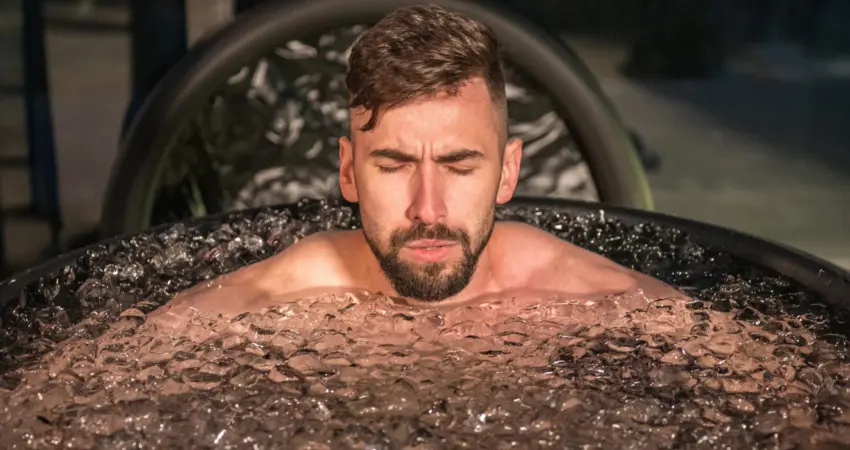
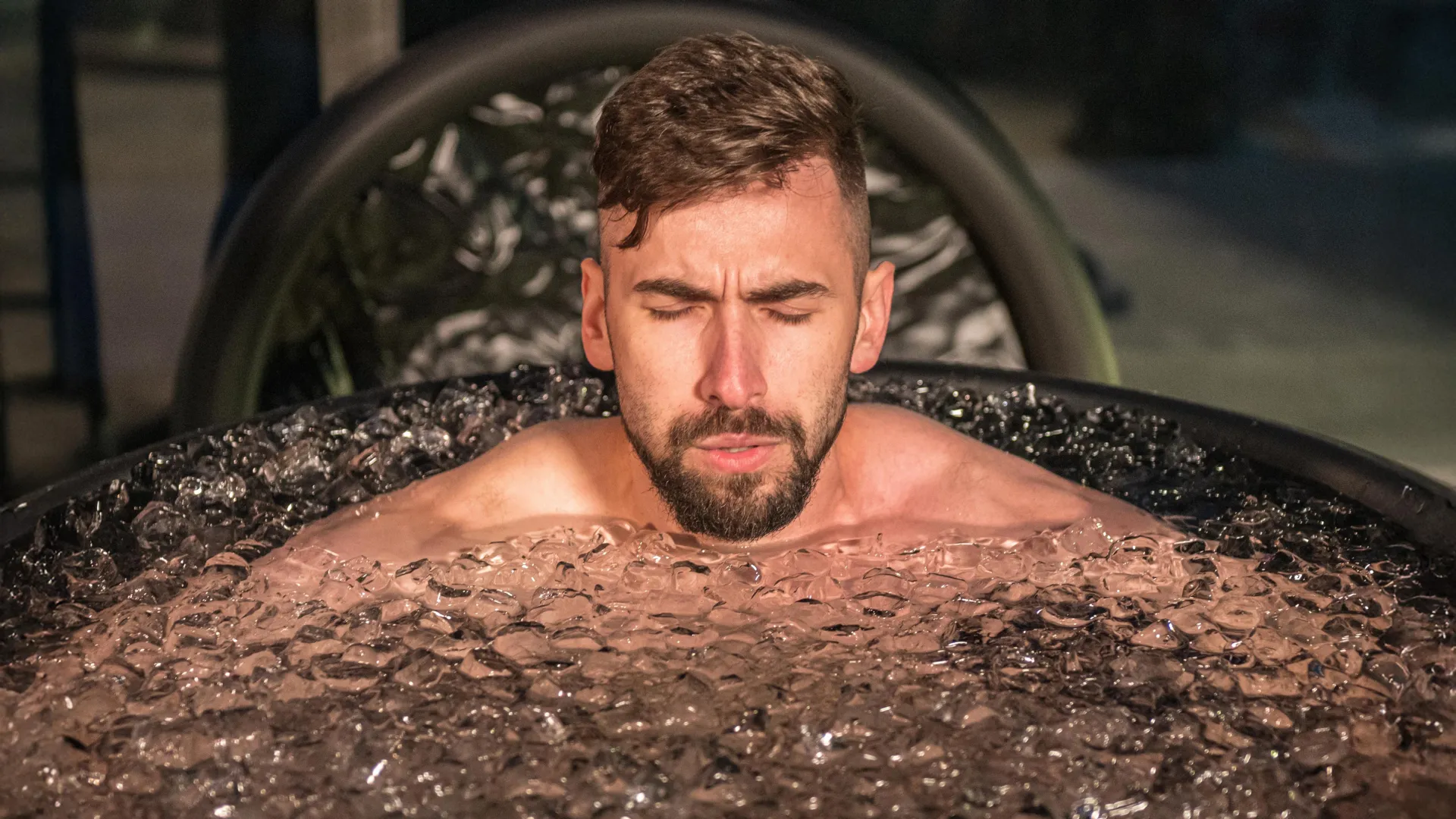
Few recovery modalities have garnered as much attention as ice baths, also known as cold water immersion. This practice involves submerging the body in water chilled below 15°C (59°F) with the aim of promoting recovery. The underlying principle is that cold exposure constricts blood vessels, which proponents argue reduces inflammation, swelling, and muscle soreness.
Supporting Data: Research published in journals like the Journal of Physiology has indicated that cold water immersion can indeed help to alleviate the inflammatory response following intense exercise. Studies suggest this can lead to a temporary reduction in perceived muscle soreness and a faster restoration of muscle function within a 24-hour period. For athletes facing tight competition schedules or needing to perform multiple times within a short timeframe, this acute benefit can be significant. For instance, a meta-analysis of studies on cold water immersion by the Karolinska Institute in Sweden found consistent short-term reductions in muscle soreness and improved recovery of muscle strength and power.
The Catch: However, the physiological process of inflammation, while uncomfortable, plays a crucial role in the body’s adaptation to exercise. Inflammation triggers cellular signals that initiate muscle repair and, critically, promote long-term muscle hypertrophy (growth) and strength gains. By aggressively dampening this inflammatory response with regular ice baths, individuals may inadvertently hinder the very adaptations that training is designed to achieve. Research published in Sports Medicine has suggested that consistent use of cold water immersion might blunt some of the chronic training adaptations, particularly for individuals focused on long-term strength and muscle building. This leads to a critical trade-off: the immediate relief from pain might come at the expense of maximal long-term performance gains. Therefore, the consensus among many sports scientists is that ice baths are best reserved for situations where rapid recovery is paramount, such as between multiple competition events, rather than as a routine post-everyday workout practice.
Compression Garments: Feeling Better, But Recovering More?
Compression garments, including sleeves, tights, and full-body suits, are widely adopted with the belief that they enhance recovery by improving circulation, facilitating blood flow to muscles, and reducing swelling. The external pressure applied by these garments is thought to create a more efficient vascular environment post-exercise.
Supporting Data: Studies have shown that compression garments can indeed have physiological effects. A 2022 study published in Scientific Reports demonstrated that wearing compression garments improved circulation and muscle blood flow compared to a placebo group receiving a non-functional tablet. This suggests that the observed effects are not solely psychosomatic, meaning they are not merely due to the wearer’s belief in their efficacy. The garments appear to exert a genuine physical influence on the circulatory system.
The Nuance: Despite these physiological impacts, the evidence for compression garments meaningfully improving actual muscle recovery or performance is less convincing. While they may reduce the subjective feeling of soreness, their ability to directly restore muscle function or enhance subsequent performance remains a subject of debate. The aforementioned Scientific Reports study, while confirming physiological changes, did not find evidence that these translated into significant improvements in muscle function. This suggests that the primary benefit of compression garments might be psychological – they make individuals feel more recovered, which can indirectly influence their perception of performance and readiness. The market for compression wear has exploded, with brands like CEP, 2XU, and SKINS becoming household names in fitness circles, generating hundreds of millions in annual revenue based on these perceived benefits.
Massage: A Soothing Solace with Limited Performance Restoration
Massage therapy, ranging from professional sports massages to self-administered foam rolling, is one of the few recovery interventions with a more consistent body of scientific support for its subjective benefits. It is widely recognized for its ability to reduce perceived muscle soreness and improve the feeling of recovery after exercise.
Supporting Data: Numerous studies, including systematic reviews published in journals like the British Journal of Sports Medicine, have consistently shown that massage can decrease levels of muscle soreness and enhance feelings of well-being post-exercise. While the precise physiological mechanisms are not fully elucidated, it is theorized that massage works by reducing muscle stiffness, improving local circulation, and promoting relaxation through the activation of the parasympathetic nervous system. The tactile stimulation can also influence pain perception by modulating nerve signals.
Limitations: However, when it comes to objective measures of performance and muscle function, the impact of massage is often modest and inconsistent. While athletes may feel less sore and more recovered, their actual strength, power, or endurance might not see significant, measurable improvements solely due to massage. This implies that massage is highly effective at alleviating the discomfort associated with training and enhancing the perception of readiness, but it is unlikely to be a potent tool for directly restoring compromised muscle function to pre-exercise levels. The global sports massage market is valued in the billions, indicating a strong demand driven by these subjective benefits.
Recovery Supplements: A Complex Landscape of Hype and Hope
The nutrition supplement market is a colossal industry, replete with brightly colored drinks, powders, and capsules promising rapid recovery and enhanced performance. However, this is perhaps the most varied category, with efficacy ranging from scientifically-backed benefits to unsubstantiated claims.
Whey Protein: Whey protein, a byproduct of cheese production, is rich in essential amino acids, particularly leucine, which is a key trigger for muscle protein synthesis (MPS) – the process by which muscles repair and grow. Extensive research, including numerous meta-analyses published in journals like the American Journal of Clinical Nutrition, supports the role of whey protein in aiding muscle recovery. It has been shown to provide small to moderate benefits in stimulating MPS and promoting muscle repair. However, its effectiveness in alleviating DOMS is less consistent, with some studies showing benefits and others finding no significant impact.
Branch Chain Amino Acids (BCAAs): BCAAs (leucine, isoleucine, and valine) are popular supplements, often marketed as potent muscle-building and recovery agents. The belief is that leucine, in particular, "switches on" MPS. Despite their widespread use and marketing, research suggests BCAAs are generally less effective for muscle recovery than complete protein sources. This is because muscle repair requires a full complement of all essential amino acids, not just the three found in BCAAs. Whole food sources like chicken, beef, fish, eggs, and tofu provide all necessary amino acids and are often more cost-effective and holistically beneficial. The global BCAA market is estimated to be worth billions of dollars annually.
Tart Cherry Juice: This is a more recent entrant into the recovery supplement scene, gaining traction due to its high polyphenol content. These plant compounds possess anti-inflammatory and antioxidant properties, which are theorized to reduce exercise-induced muscle damage and soreness. Emerging research, including studies in the Journal of the International Society of Sports Nutrition, suggests that tart cherry juice can have small to moderate effects in reducing muscle soreness and may help in the restoration of muscular strength and power after strenuous exercise. However, this area is still under active investigation, and more large-scale, long-term studies are needed.
Omega-3 Fatty Acids (Fish Oil): Often touted for their anti-inflammatory properties, Omega-3 supplements are frequently recommended for exercise recovery. Some research indicates they may modestly reduce muscle soreness and help preserve muscle function following intense exertion. However, the results are far from consistent, and Omega-3s are unlikely to provide dramatic improvements in recovery for most individuals. Moreover, a significant body of scientific literature emphasizes that the nutrients found in these supplements can be readily obtained from a balanced diet rich in fatty fish, nuts, and seeds.
The Whole Food Advantage: A crucial point consistently highlighted by nutritional science is that whole foods offer a complex matrix of vitamins, minerals, fiber, and phytochemicals that work synergistically. Relying solely on supplements can miss out on these broader health benefits. The scientific consensus, as reported in journals like Nutrients, increasingly favors obtaining essential nutrients from whole food sources over expensive, isolated supplements, especially when a balanced diet is already being consumed.
What Actually Works? The Foundational Pillars of Recovery
While the allure of quick fixes and advanced technologies is strong, the most robust scientific evidence points to fundamental, often overlooked, aspects of recovery. These are not trendy products that can be bottled and sold, but rather lifestyle choices that form the bedrock of physical resilience.
1. Adequate Sleep: This is arguably the most critical factor. During sleep, the body undergoes extensive repair and regeneration processes, including muscle protein synthesis and the release of growth hormone. Experts widely agree that 7-9 hours of quality sleep per night is essential for optimal recovery. Insufficient sleep has been linked to impaired cognitive function, reduced immune response, and slower muscle repair.
2. Balanced Nutrition: A diet rich in lean protein, complex carbohydrates, healthy fats, and micronutrients provides the building blocks and energy necessary for muscle repair and overall physiological restoration. Focusing on whole, unprocessed foods ensures the body receives a wide array of beneficial compounds. Protein intake, in particular, is vital for muscle protein synthesis, with recommendations often ranging from 1.6 to 2.2 grams per kilogram of body weight per day for active individuals.
3. Hydration: Proper fluid balance is crucial for nearly all bodily functions, including nutrient transport, temperature regulation, and waste removal. Dehydration can significantly impair performance and recovery, exacerbating muscle soreness and fatigue. Water remains the most effective and essential fluid for rehydration.
4. Active Recovery: Gentle, low-intensity movement, such as walking, light cycling, or swimming, can aid recovery by increasing blood flow to muscles, helping to clear metabolic waste products, and reducing stiffness without imposing further stress. This contrasts with complete rest, which can sometimes lead to increased stiffness.
Implications for the Fitness Industry and Consumers: The growing demand for recovery products has led to a booming market, estimated to be worth tens of billions of dollars globally. This economic incentive often drives marketing claims that outpace scientific validation. For consumers, this presents a challenge in discerning effective strategies from fads. The implication is that individuals may be spending significant amounts of money on products with marginal or unproven benefits, while neglecting the foundational elements of recovery that are freely available and scientifically validated. The trend underscores a broader societal shift towards seeking external solutions for internal processes, highlighting the need for greater scientific literacy and critical evaluation of health and wellness claims. Ultimately, while many popular recovery techniques may offer some relief, the most profound and lasting benefits are likely to be found in the consistent application of fundamental health practices.

0 Comments