
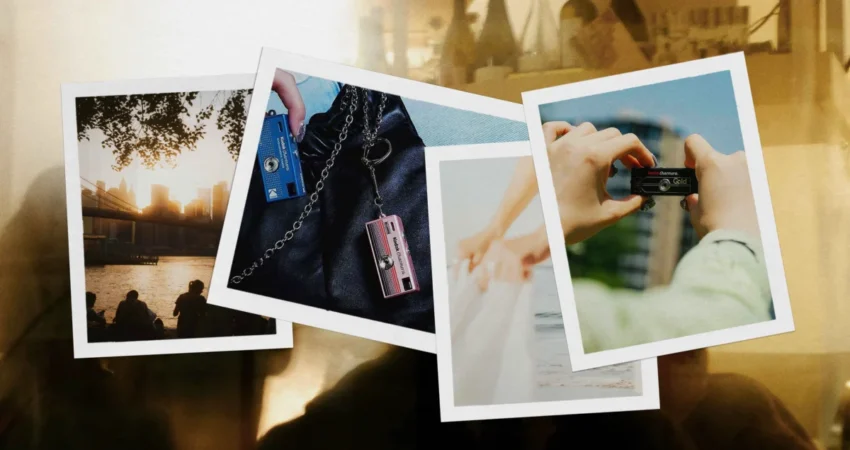
The global consumer electronics market has witnessed a significant shift in recent years, as the demand for high-fidelity, high-resolution imaging is increasingly met by a counter-movement favoring nostalgia, portability, and "lo-fi" aesthetics. At the forefront of this trend is the Kodak Charmera, a miniature keychain digital camera that has transitioned from a viral social media sensation to a staple accessory for travelers and photography enthusiasts alike. Priced at approximately $35.00, the device represents a strategic intersection between the toy-camera market and the functional electronics sector, leveraging the iconic Kodak brand to appeal to a demographic that values tactile experiences over smartphone perfection.
Technical Specifications and Design Philosophy
The Kodak Charmera is characterized by its ultra-compact form factor, designed to function as both a decorative keychain and a fully operational digital recording device. The unit features a minimalist physical interface consisting of five primary buttons: power/menu, shutter, playback, and directional navigation keys (up and down). This design prioritizes ease of use, catering to a broad consumer base ranging from children and beginners to experienced photographers seeking a secondary, low-stakes "point-and-shoot" option.
Unlike modern smartphones that utilize complex artificial intelligence to sharpen and color-correct images, the Charmera produces photographs and videos with a distinct retro quality. The output is intentionally lower in resolution, evoking the visual style of late 20th-century digital photography. To further enhance this aesthetic, the device includes pre-installed digital filters, such as a classic computer screen overlay and a film-strip border, which mimic the "80s whimsy" often sought by content creators on platforms like Instagram and TikTok.
The device is powered by an internal battery rechargeable via a standard USB-C port, aligning it with contemporary European and global charging standards. For storage, the camera utilizes a microSD card slot. While the manufacturer indicates compatibility with cards up to 128GB, technical analysis and consumer feedback suggest that 16GB cards provide the most stable performance. Given the low file size of the images, a 16GB card can hold upwards of 50,000 photographs, effectively eliminating storage concerns for most users during extended travel.
The Blind Box Marketing Strategy
A critical component of the Charmera’s commercial success is its distribution model. Kodak has employed a "blind box" packaging strategy, a popular retail trend originating in East Asia. Consumers purchase a sealed box without knowing which of the seven available color variants they will receive. This element of gamification encourages "unboxing" content on social media and fosters a secondary market for collectors and traders.
The initial launch featured a palette inspired by 1980s electronics, characterized by muted tones and classic industrial design. Following the success of the original line, Kodak recently expanded the series with the "Millennium Charmera." This updated version pivots toward the "Y2K" aesthetic, featuring metallic silver and bubblegum pink finishes designed to appeal to Gen Z consumers who are currently driving a resurgence in early-2000s fashion and technology.
Chronology of the Retro Tech Resurgence
The rise of the Kodak Charmera can be mapped against a broader timeline of the "Lo-Fi" photography movement:
- 2018–2020: The initial resurgence of analog film photography leads to a shortage of film stock and rising prices for vintage 35mm cameras.
- 2021: Consumers begin seeking "digital film" alternatives—older, inexpensive point-and-shoot digital cameras from the early 2000s—due to the high cost of film processing.
- 2023 (Early): Social media influencers begin highlighting "toy cameras" and miniature gadgets as fashion statements, prioritizing the "experience" of photography over technical specs.
- 2024 (Mid): The Kodak Charmera goes viral on Instagram Reels and TikTok, with videos demonstrating its functionality garnering millions of views.
- 2024 (Late): The release of the Millennium Edition signifies the brand’s commitment to the miniature camera category, moving it from a niche novelty to a mainstream retail product found in major outlets like Amazon, Staples, and B&H Photo.
Market Analysis: Brand Licensing and Consumer Behavior
The existence of the Charmera highlights the evolving business model of the Eastman Kodak Company. While the company remains a leader in industrial film and chemicals, much of its consumer electronics presence is managed through brand licensing agreements. By lending its name to high-quality "lifestyle" tech, Kodak maintains brand relevance among younger generations who may never have used a traditional darkroom.

Economic data suggests that the "affordable luxury" segment—products priced between $20 and $50—is currently thriving. In an era of high inflation, consumers are more likely to make "impulse" purchases on items that offer both utility and social currency. The Charmera fits this profile perfectly; it is an accessible gift item that functions as a "conversation starter." During field testing in urban environments like Cincinnati, Ohio, users reported that the device frequently prompted inquiries from strangers, illustrating its role as a social tool rather than just a solitary recording device.
Performance Constraints and User Considerations
Despite its popularity, the Kodak Charmera is not without technical limitations. As an entry-level device, it lacks the optical image stabilization and low-light performance of mid-range digital cameras. Users have noted that the device requires adequate lighting to produce clear images and that the small screen on the rear of the unit is intended for framing and basic review rather than detailed editing.
Furthermore, thermal management appears to be a consideration for the device’s compact housing. As noted in several technical reviews, using high-capacity microSD cards (64GB and above) can sometimes lead to overheating or software lag. Industry experts recommend using high-speed, lower-capacity cards to ensure the internal processor can handle data writing without stress.
Comparative Impact on the Travel Industry
The travel industry has noted a shift in how tourists document their journeys. The "intentionality" of using a separate device, even one as small as the Charmera, changes the user’s relationship with their environment. Unlike a smartphone, which is often associated with work, social media notifications, and stress, the Charmera is a dedicated tool for memory-making.
Professional photographers have begun utilizing these miniature cameras as "B-roll" tools, capturing candid, grainy shots that provide a stylistic contrast to their high-definition professional portfolios. For the average traveler, the ability to clip the camera to a tote bag or backpack ensures it is always accessible, reducing the friction of pulling out a phone and potentially getting distracted by apps.
Broader Implications and Future Outlook
The success of the Kodak Charmera is indicative of a wider "anti-perfection" movement in digital media. As AI-generated imagery and hyper-processed smartphone photos become the norm, there is a growing psychological craving for the "authentic" flaws of older technology. The grain, the slight motion blur, and the unique color science of the Charmera offer a visual honesty that many find refreshing.
Looking forward, the success of this product likely paves the way for a new category of "wearable imaging." We can expect to see further iterations of the Charmera line, potentially including features like basic Bluetooth connectivity for easier photo transfers or even more diverse hardware designs. However, the core appeal remains its simplicity and its price point.
In conclusion, the Kodak Charmera is more than a mere keychain; it is a symptom of a cultural pivot toward tactile, nostalgic, and social technology. By successfully blending a legacy brand with modern viral marketing and a low-cost manufacturing model, it has secured its place as one of the most influential consumer gadgets of the current year. Whether it remains a long-term staple or a transient trend, its impact on the "toy camera" market and its role in democratizing "lo-fi" photography are undeniable. As it continues to populate the checkout counters of major retailers and the bags of travelers worldwide, the Charmera stands as a testament to the enduring power of a simple, well-executed idea in a complex digital world.

0 Comments