
Welcome to Open Tab, a comprehensive weekly roundup of the most significant news, evolving trends, and compelling stories shaping the culinary world and beyond. This edition delves into the nuanced narratives that have captured our attention, from the sublime satisfaction of a perfectly crafted breakfast sandwich to the intricate legal battles and technological shifts impacting the food industry. We explore the delicate balance between innovation and authenticity, the economic pressures on businesses, and the unexpected turns of market performance.
A Culinary Masterpiece in the Heart of New York City
In a city renowned for its diverse and dynamic culinary scene, a particular breakfast sandwich from Thai Diner has emerged as a standout, garnering high praise and sparking spirited debate. Described as potentially the "best breakfast sandwich in New York City," this creation is a testament to thoughtful ingredient selection and masterful preparation. The sandwich features incredibly silky scrambled eggs, a vibrant scallion mayonnaise, and the distinctive herbaceous notes of authentic Thai sai oua pork sausage. The addition of gooey cheese and the unique vessel of a buttery, flaky roti bun elevates it beyond a simple breakfast item to what many are calling a true culinary masterpiece. This specific recommendation, though niche, highlights the ongoing quest for exceptional food experiences and the power of a single, perfectly executed dish to capture the public’s imagination. The bold claim of "best in the city" is an invitation for dialogue, underscoring the subjective yet passionately held opinions within the food community.
Legal Scrutiny Intensifies for "Zero Sugar" Claims: The David Protein and Allulose Debate
The food industry is currently navigating a complex legal and scientific landscape concerning the labeling of "sugar-free" or "zero sugar" products. David Protein, a company known for its protein bars, finds itself at the center of a California class-action lawsuit. The core of the litigation revolves around the ingredient allulose, a low-calorie sweetener. Plaintiffs allege that despite the company’s claims of containing no sugar, the presence of allulose effectively means the bars do contain sugar, thereby misleading consumers.
This lawsuit is not an isolated incident. It directly follows a similar legal challenge brought against Chobani, a prominent yogurt manufacturer, concerning their "Zero Sugar" products, which also utilize allulose. The legal strategy in both cases appears to hinge on the recent regulatory interpretations and scientific understanding of allulose. While allulose is recognized as a sugar by the U.S. Food and Drug Administration (FDA) and is permitted for use in food products, its classification and labeling have become a focal point for consumer advocacy groups and legal firms.
Background and Timeline:
The controversy surrounding allulose gained significant traction in late 2023 and early 2024, following updated guidance and a growing awareness among consumers and regulatory bodies. The FDA’s stance is that allulose is a carbohydrate and a sugar, though it is metabolized differently and contributes minimal calories. However, the "zero sugar" claims often lead consumers to believe that no caloric sugars are present at all.
Supporting Data and Analysis:
Allulose is a rare sugar that occurs naturally in small amounts in certain fruits and grains. It provides a similar taste and texture to sucrose (table sugar) but is absorbed and metabolized by the body differently, resulting in very few calories. According to the FDA, allulose contains approximately 0.4 calories per gram, compared to 4 calories per gram for traditional sugars. This significant difference is the basis for its use in "reduced-calorie" and "sugar-free" products.
However, the class-action lawsuits argue that the term "sugar" on nutrition labels typically refers to the sum of all sugars, including those like allulose. By not listing allulose in the "Total Sugars" or "Added Sugars" sections, and by marketing products as "zero sugar," companies may be creating ambiguity. The potential implications for the food industry are substantial. If these lawsuits are successful, it could force a widespread re-evaluation of labeling practices for a vast array of products that currently use allulose to meet consumer demand for lower-sugar options. This could lead to increased product reformulation, revised marketing strategies, and potentially higher costs for consumers. The legal outcomes will likely set important precedents for how novel sweeteners are regulated and marketed in the future.
The Looming Shadow of Monopoly: Sysco’s Proposed Merger and its Impact on Restaurants
The potential merger of food service giants Sysco and US Foods continues to draw significant attention and criticism, particularly from those within the restaurant industry and from lawmakers concerned about market consolidation. This proposed acquisition, which has been under scrutiny for some time, is now facing heightened opposition from Democrats in Congress.
Background and Context:
Sysco is the largest food distributor in the United States, followed closely by US Foods. The two companies hold a substantial combined market share in supplying food and related products to restaurants, hotels, hospitals, and other food service establishments. A merger would create an even more dominant entity, raising concerns about reduced competition and increased pricing power.
Chronology of Opposition:
As early as last year, concerns were raised about the potential for such a merger to increase prices for restaurants, thereby impacting their already thin profit margins. This week, these concerns have been amplified as a bipartisan group of lawmakers has formally voiced their objections. They are urging the Federal Trade Commission (FTC) to launch a thorough investigation into the merger, citing potential harm to independent restaurants, farmers, and consumers.
Supporting Data and Analysis:
The U.S. restaurant industry operates on notoriously tight margins. According to industry data, average net profit margins for restaurants typically range from 3% to 5%. Any significant increase in the cost of goods, such as food and supplies, can have a devastating impact. A consolidated market, where fewer large distributors compete, often leads to higher prices due to a lack of competitive pressure.
The lawmakers’ arguments echo previous analyses suggesting that a merged Sysco and US Foods could wield immense power over pricing and product availability. This could translate into higher costs for restaurants, forcing them to either absorb these costs (further squeezing profits), raise menu prices (potentially deterring customers), or reduce the quality or variety of their offerings. Furthermore, the merger could impact the leverage of smaller suppliers and farmers, who may have fewer options for distributing their products.
The current economic climate, characterized by rampant inflation, exacerbates these concerns. The Producer Price Index (PPI) for food and beverages has seen significant increases over the past year, reflecting rising costs for ingredients, labor, and transportation. This inflationary pressure already makes it challenging for independent restaurants to operate. Adding the potential for a dominant food distributor to further influence prices creates a particularly daunting landscape. The FTC’s decision on whether to approve the merger, and the conditions it might impose, will have far-reaching implications for the sustainability and diversity of the American restaurant sector.
The Enduring Appeal of Cheesecake: A Surprising Market Performance
In a fascinating turn of market events, The Cheesecake Factory‘s stock has reportedly outperformed that of Nvidia, a leading technology company at the forefront of the artificial intelligence boom, year-to-date. This unexpected comparison highlights the unpredictable nature of financial markets and the enduring consumer appeal of established, comfort-driven industries.
Analysis of Market Trends:
While Nvidia has experienced a meteoric rise fueled by the insatiable demand for AI-related technologies and hardware, The Cheesecake Factory, a well-established casual dining chain, has demonstrated resilience and strong performance in its own right. This divergence suggests that even in an era dominated by technological advancements, traditional consumer staples and experiences can hold their ground and even thrive.
The "AI bubble" is a topic of much discussion in financial circles, with many analysts questioning the long-term sustainability of current valuations for AI-focused companies. In contrast, companies like The Cheesecake Factory represent a more stable, albeit less explosive, investment. Their business model relies on consistent consumer demand for familiar dining experiences, which can prove more predictable than the rapidly evolving and speculative tech sector.
The observation serves as a lighthearted yet potent reminder that fundamental consumer preferences, like a desire for comfort food and a reliable dining experience, remain powerful economic drivers. While artificial intelligence may represent the future, the allure of a well-made dessert and a satisfying meal continues to be a cornerstone of present-day commerce.
The Rise of AI in Food Advertising: A Visual Disconnect?
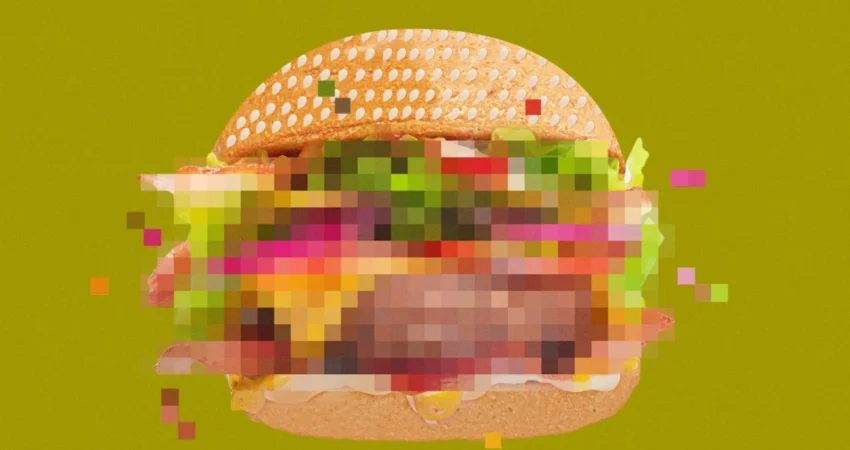
A concerning trend has emerged in the realm of restaurant advertising: the increasing use of AI-generated food images. While artificial intelligence offers numerous efficiencies, its application in visualizing food has, in many instances, resulted in unsettling and unappetizing depictions.
Observations and Examples:
Examples circulating on social media platforms showcase AI-generated images that are strikingly inaccurate and even grotesque. One widely shared image depicts a burrito with bizarre, doughnut-like shrimp lacking heads or tails, and a dish resembling 3D-printed quiche. Other AI-generated signs advertise menu items that the establishments do not actually offer. These visual anomalies raise questions about the effectiveness and ethical implications of using AI for food photography.
Background and Context:
The allure of AI-generated imagery for businesses lies in its potential to be cheaper and faster than traditional methods, such as hiring professional photographers or illustrators. The technology allows for rapid creation of visual content, which can be appealing in a fast-paced digital marketing environment.
Supporting Data and Analysis:
Research into the perception of AI-generated food images offers a nuanced perspective. A 2024 study published in Food Quality and Preference indicated that consumers are indeed drawn to AI-generated food images when they are unaware of their origin. However, the same study found that consumers showed a stronger preference for human-made food images when they were aware of the creator’s identity. This suggests that while AI can create visually appealing images, the authenticity and human touch associated with real food photography may hold greater sway with consumers, especially when transparency is present.
The current trend of using poorly executed AI food images risks alienating potential customers. The disconnect between the digitally fabricated, often surreal, imagery and the reality of the food being served can erode trust and deter diners. This phenomenon underscores a growing appreciation for tangible craft and authenticity across various domains, including culinary arts and live performances, as consumers seek genuine experiences in an increasingly digitized world. The pursuit of efficiency through AI must be balanced with the need to maintain accuracy, appeal, and consumer trust.
The Ascendancy of Loonen Water: A Deep Dive into the Wellness Beverage Market
The beverage market continues to witness the emergence of new trends, and Loonen Water has rapidly ascended to prominence. Despite being on the market for less than a year, this premium, glass-bottled water has achieved national distribution and become a symbol of contemporary wellness and status.
Background and Context:
The "wellness water" movement has been gaining momentum for several years, with consumers increasingly seeking beverages that offer perceived health benefits beyond simple hydration. This has led to the proliferation of enhanced waters, electrolyte-rich options, and, more recently, ultra-purified waters marketed for their supposed superior quality and taste.
Analysis of Loonen Water’s Rise:
Loonen Water’s rapid success can be attributed to several factors. Its premium packaging, characterized by sleek glass bottles, positions it as a luxury item. The marketing emphasizes its "ultra-pure" qualities, suggesting a refined taste and a commitment to exceptional sourcing and filtration processes. This aligns with broader consumer trends that prioritize natural, clean, and high-quality ingredients.
The "it-girl" status of Loonen Water reflects its adoption by influencers and trendsetters, who often play a crucial role in shaping consumer preferences in the wellness and lifestyle sectors. Its presence in high-end establishments and its association with a healthy lifestyle contribute to its desirability.
This trend highlights the evolving relationship between consumers and hydration. It’s no longer solely about quenching thirst; it’s about the perceived value, the brand story, and the lifestyle association that a beverage offers. The phenomenon of Loonen Water exemplifies how marketing, branding, and a keen understanding of consumer aspirations can propel a product to market leadership in a competitive landscape. A deeper examination of the "wellness water" movement and the specific strategies behind Loonen’s takeover is crucial for understanding the dynamics of this burgeoning market segment.
Food Influencer Keith Lee Steps In During a Crisis: A Model of Community Support
In a demonstration of the significant influence and positive impact that social media personalities can wield, food critic and influencer Keith Lee has played a pivotal role in aiding residents affected by severe storms in northwest Indiana. His actions have garnered widespread praise and highlighted the power of a dedicated online following when directed towards humanitarian efforts.
Background and Context:
In early August, historic storms ravaged northwest Indiana, causing widespread damage, uprooting infrastructure, and leaving thousands without power for an extended period. The community faced significant challenges in the aftermath, grappling with the immediate needs of shelter, sustenance, and recovery.
Keith Lee’s Intervention:
Keith Lee, known for his ability to dramatically influence the success of restaurants through his reviews, extended his reach beyond the culinary world to provide critical support. He announced a partnership with the Salvation Army to spearhead relief efforts for the storm-affected residents.
Supporting Data and Impact:
Lee’s involvement was substantial, involving a personal donation of approximately $15,000 towards the relief initiatives. These funds were strategically allocated to provide immediate assistance. Specifically, the donations were used to assemble kits filled with essential cleaning supplies, crucial for post-storm recovery and sanitation. Furthermore, the funds supported the deployment of food trucks, which provided free meals to residents grappling with power outages and limited access to food.
The actions of Keith Lee serve as a powerful example of corporate social responsibility, albeit driven by an individual influencer. His willingness to leverage his platform and resources for the betterment of a community in crisis underscores the evolving role of social media personalities. His intervention provided not only material aid but also a much-needed sense of hope and solidarity to the affected population. The swift and impactful response demonstrates the potential for influential figures to mobilize resources and provide tangible support during times of disaster, going beyond mere entertainment to enact meaningful change.

0 Comments