
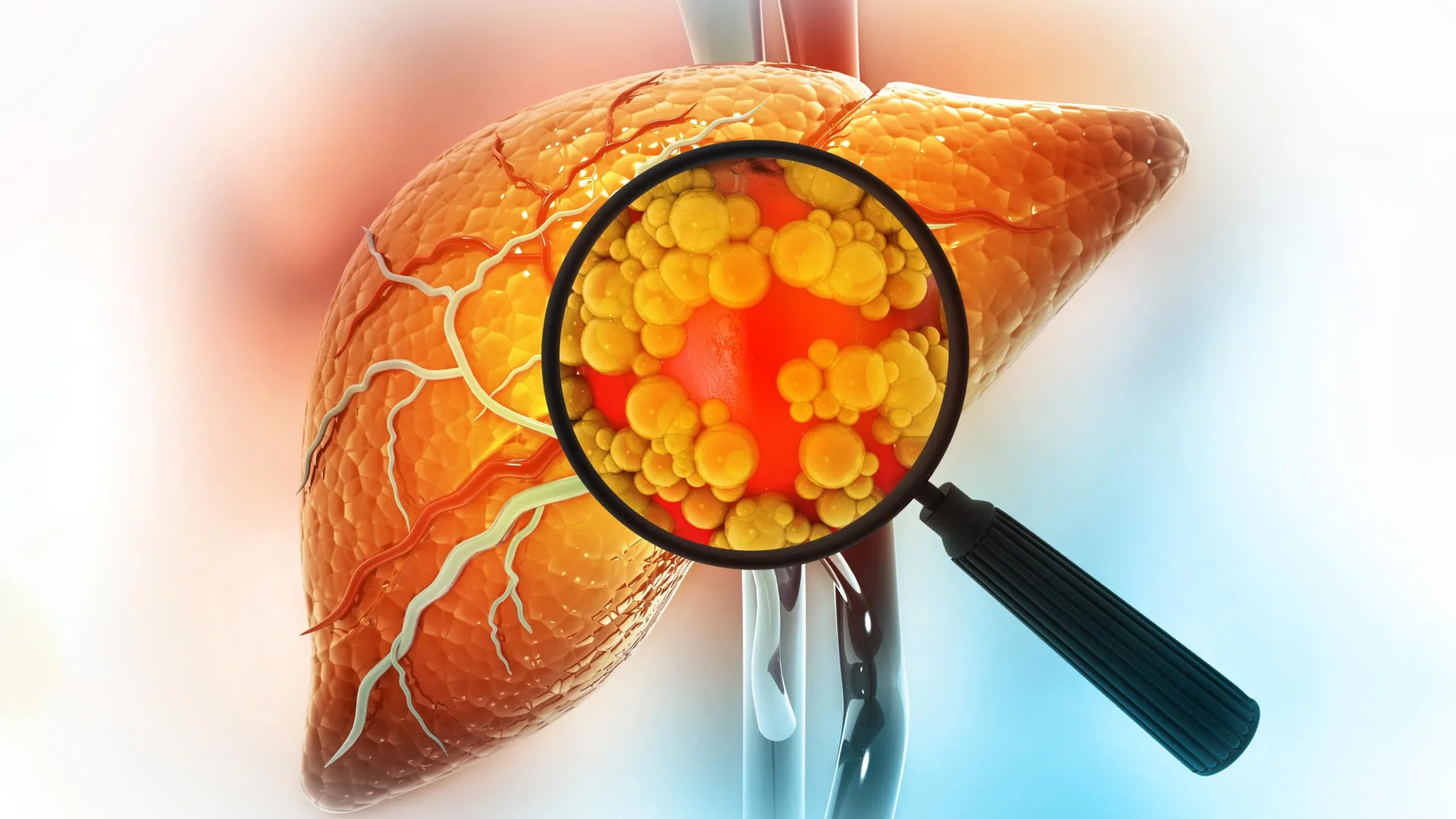
UCLA scientists have uncovered a harmful group of immune cells that quietly builds up in aging tissues and in the livers of people with fatty liver disease. When these cells were removed in mice, inflammation dropped sharply and liver damage was reversed, even though the animals continued eating an unhealthy diet. This groundbreaking discovery, published in the prestigious journal Nature Aging, offers a new perspective on the cellular mechanisms underlying aging and metabolic diseases, with significant implications for public health.
The Silent Accumulation of "Zombie Cells"
The research centers on a fundamental biological process known as cellular senescence. This occurs when cells, stressed by various factors including age and damage, cease to divide but do not undergo programmed cell death. Instead, these lingering cells, often colloquially referred to as "zombie cells," remain metabolically active. Crucially, they begin to secrete a cocktail of inflammatory molecules and tissue-damaging enzymes, collectively known as the Senescence-Associated Secretory Phenotype (SASP). This SASP acts like a chronic irritant, fostering inflammation and contributing to the dysfunction of surrounding healthy tissues.
Dr. Anthony Covarrubias, the senior author of the study and a researcher at the Eli and Edythe Broad Center of Regenerative Medicine and Stem Cell Research at UCLA, drew a vivid analogy to explain the impact of these cells. "Senescent cells are fairly rare, but think of them like a broken-down car on the 405 freeway," he stated. "Just one stalled car can back up traffic for miles. Now imagine five or ten of them slowly accumulating. That’s what these cells do to a tissue: even a small number causes enormous disruption."
This disruptive potential is particularly concerning as senescent cells have been observed to accumulate with age across various tissues in the body. Their presence is increasingly linked to a wide array of age-related ailments, including cardiovascular disease, neurodegenerative disorders, and osteoarthritis. The UCLA study now adds non-alcoholic fatty liver disease (NAFLD) and its more severe form, non-alcoholic steatohepatitis (NASH), to this growing list of conditions potentially driven by cellular senescence.
Unraveling the Macrophage Enigma
A significant hurdle in understanding the role of senescent cells has been the difficulty in identifying them within specific immune populations. For years, a key debate within the scientific community revolved around whether macrophages, the body’s primary cellular scavengers and immune sentinels, could themselves become senescent. Macrophages are crucial for clearing cellular debris, fighting infections, and initiating inflammatory responses. However, healthy macrophages naturally exhibit some molecular characteristics that overlap with those of senescent cells, making it challenging to distinguish between a functioning immune cell and a detrimental senescent one.
The UCLA team ingeniously tackled this challenge by identifying a precise molecular signature that reliably distinguishes senescent macrophages from their healthy counterparts. They discovered that the co-expression of two specific proteins, p21 and TREM2, serves as a definitive marker for macrophages that have entered a senescent state. These p21-TREM2 positive macrophages are not only dormant in terms of proliferation but are also actively secreting inflammatory signals that propagate damage in nearby liver tissue.
To quantify the prevalence of these problematic cells, the researchers analyzed liver tissue from mice of different ages. Their findings revealed a dramatic age-related increase. In young mice, senescent macrophages constituted a mere 5% of the total liver macrophage population. However, in older mice, this figure surged dramatically, reaching between 60% and 80%. This stark increase in senescent macrophages directly correlated with the heightened levels of chronic liver inflammation commonly observed in aging animals, providing strong evidence for their pathological role.
Cholesterol: A Potent Trigger for Macrophage Senescence
Beyond the natural process of aging, the UCLA study uncovered a significant environmental trigger for macrophage senescence: excess cholesterol. In laboratory experiments, when healthy macrophages were exposed to high concentrations of low-density lipoprotein (LDL) cholesterol, they exhibited key hallmarks of senescence. They stopped dividing, initiated the production of inflammatory proteins, and importantly, displayed the characteristic p21-TREM2 signature.
Ivan Salladay-Perez, the first author of the study and a graduate student in Dr. Covarrubias’ lab, elaborated on this critical finding. "Physiologically, macrophages can handle cholesterol metabolism," he explained. "But in a chronic state, it’s pathological. And when you look at fatty liver disease, which is driven by overnutrition and too much cholesterol in the blood, that excess cholesterol appears to be a major driver of the senescent macrophage population."
This discovery has profound implications, suggesting that dietary patterns high in fat and cholesterol may not only contribute to liver disease but could also accelerate biological aging by promoting macrophage senescence in other vital organs. Potential targets for this process include the brain, heart, and adipose tissue, raising concerns about the widespread impact of modern diets on long-term health. The increasing global prevalence of NAFLD, estimated to affect up to 30% of the world’s population, underscores the urgency of understanding these underlying mechanisms.
Reversing Liver Damage: The Power of Senescent Cell Clearance
The most compelling aspect of the UCLA research lies in its demonstration of therapeutic potential. To investigate whether removing these senescent macrophages could ameliorate disease, the scientists treated mice with ABT-263, a drug specifically designed to induce the death of senescent cells – a class of drugs known as senolytics. The results were nothing short of remarkable.
Mice that had been fed a high-fat, high-cholesterol diet – a diet designed to induce fatty liver disease – showed significant improvements after senolytic treatment. Their enlarged livers, which had constituted about 7% of their body weight, shrunk to a healthier range of 4-5%. Concurrently, their body weight decreased by approximately 25%, dropping from around 40 grams to roughly 30 grams. Visually, the treated livers transformed from enlarged and yellowish (a sign of fat accumulation) to smaller, redder, and appearing much healthier.
Crucially, these metabolic improvements were achieved even without altering the animals’ unhealthy diet. "That’s what wowed me," expressed Salladay-Perez. "Eliminating senescent cells doesn’t just slow the fatty liver – it actually reverses it." This finding suggests that senescent macrophages are not merely passive bystanders but active drivers of liver pathology, and their removal can trigger a cascade of beneficial effects.
Human Relevance and Public Health Crisis in Los Angeles
The researchers did not stop at animal models. To ascertain whether their findings translated to human disease, they analyzed an existing genomic dataset comprising human liver biopsies. Their investigation revealed that the same senescent macrophage signature (p21-TREM2 positive cells) was significantly elevated in diseased human livers compared to healthy ones. This crucial piece of evidence strongly indicates that macrophage senescence plays a similar, if not identical, role in driving chronic liver disease in humans.
The implications for public health are particularly acute in regions like Los Angeles. Current estimates suggest that between 30% and 40% of Los Angeles residents are affected by fatty liver disease, with even higher prevalence rates observed within Latino communities. The limited availability of effective treatment options and the lack of robust early detection tools exacerbate this growing crisis.
"This is a huge public health crisis in the making," warned Dr. Covarrubias, who also holds a position as an assistant professor of microbiology, immunology, and molecular genetics at UCLA. "We’re seeing fatty liver disease in younger and younger people. So we’re really happy to make some inroads into understanding what’s driving it and identifying cell types we might be able to target." The study’s findings offer a glimmer of hope for developing novel therapeutic strategies to combat this pervasive disease.
The Path Forward: Developing Safer Therapies and Exploring Broader Applications
While ABT-263 proved effective in mice, its potential toxicity limits its widespread application in humans. The UCLA research team is now actively engaged in screening for safer and more selective senolytic compounds that can target and eliminate senescent macrophages without causing harmful side effects. This effort is critical for translating these promising preclinical findings into viable clinical treatments.
Furthermore, the researchers are exploring the possibility that similar senescent cell accumulation mechanisms are at play in other age-related diseases. The brain, for instance, is a prime candidate for further investigation. Microglia, the resident immune cells of the central nervous system and the brain’s equivalent of macrophages, are known to accumulate in conditions like Alzheimer’s disease, often in response to the increased presence of cellular debris. It is plausible that these microglia could also become senescent, contributing to neuroinflammation and neurodegeneration.
A Unified Mechanism for Aging and Disease
This groundbreaking research strongly supports the burgeoning geroscience hypothesis, which posits that a common underlying biological process of aging drives multiple age-related diseases. The accumulation of senescent macrophages, as demonstrated in this study, may represent such a unifying mechanism. By contributing to chronic inflammation and tissue damage, senescent cells could play a pivotal role in the pathogenesis of a spectrum of conditions, including not only fatty liver disease but also atherosclerosis, Alzheimer’s disease, and even certain types of cancer.
"If you really understand the basic mechanisms driving inflammation with aging, you can target those same mechanisms to treat not just fatty liver disease, but atherosclerosis, Alzheimer’s and cancer," emphasized Salladay-Perez. "It all goes back to understanding how these cells arise in the first place."
The research was generously supported by grants from the National Institutes of Health, the Glenn Foundation for Medical Research, the American Federation for Aging Research, and the UCLA-UCSD Diabetes Research Center. These contributions highlight the significant scientific interest and investment in understanding the fundamental processes of aging and disease. The UCLA team’s discovery marks a significant step forward in this quest, opening new avenues for therapeutic intervention and a deeper understanding of healthspan.

0 Comments