
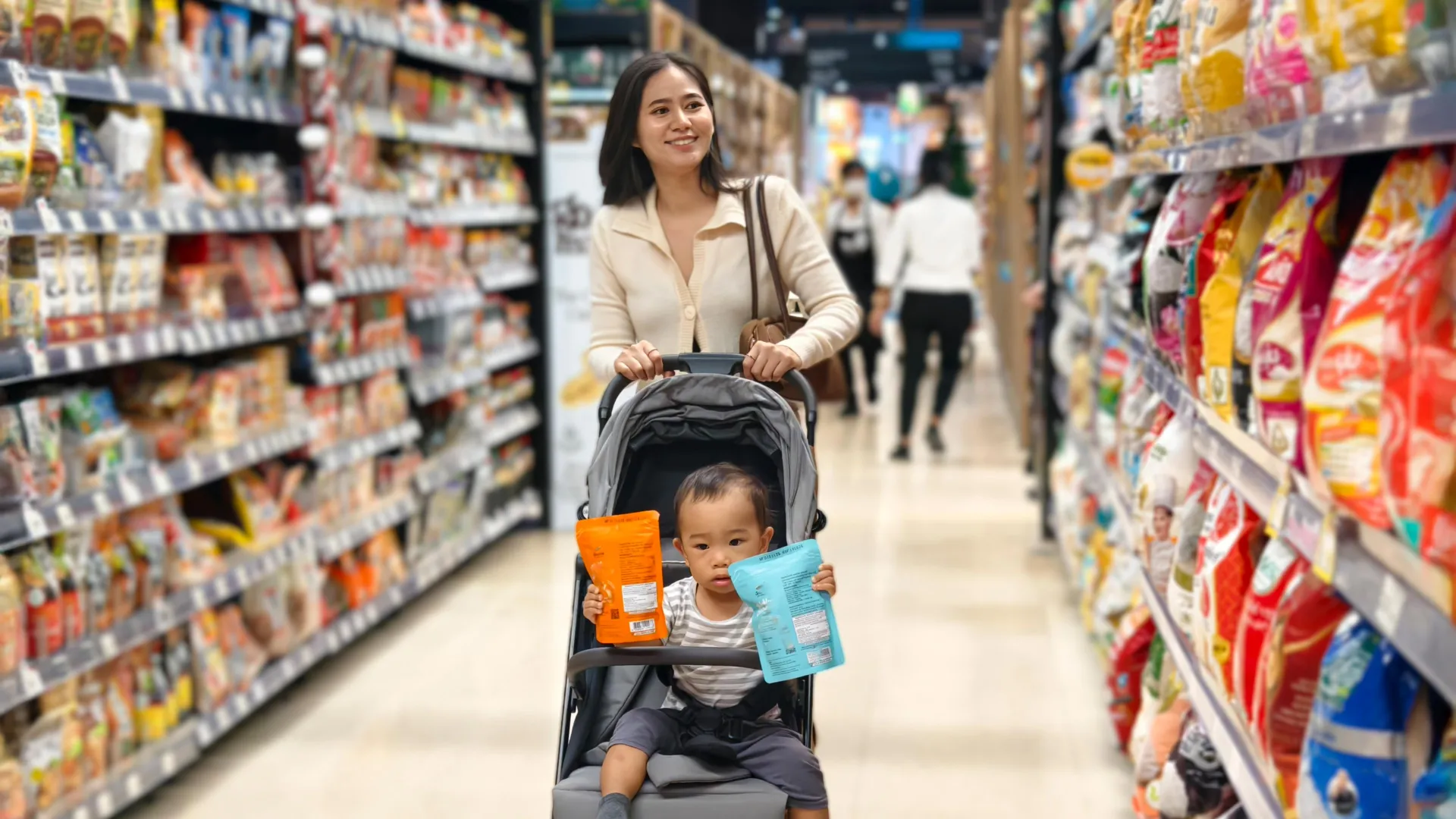
A groundbreaking review of toddler foods available in 21 Texas grocery stores has revealed a stark reality: the vast majority of products are ultra-processed, and a significant portion fails to meet essential nutritional standards for young children. The study, which examined 2,783 distinct products marketed to children aged 6 to 36 months, found that a staggering four out of every five items fell into the ultra-processed category. More alarmingly, nearly half (49%) did not satisfy at least one nutrient benchmark established by the World Health Organization (WHO) Nutrition and Promotion Profile Model (NPPM) for commercial foods intended for this critical developmental stage.
These findings emerge at a pivotal moment as the U.S. Food and Drug Administration (FDA) grapples with updating regulations concerning front-of-package nutrition information, the validity of healthy product claims, and the ethical considerations of food marketing directed at children. Unlike many other developed nations, the United States currently lacks mandatory warning labels on foods that contain excessive levels of sugar, sodium, or calories, leaving consumers, particularly parents of young children, to navigate a complex and potentially misleading marketplace.
The research, presented by Erin A. Hudson, JD, ASN Science Policy Fellow and PhD candidate at The University of Texas at Austin, at NUTRITION 2026, the American Society for Nutrition’s flagship annual conference, highlights a significant disconnect between parental expectations and product realities. "Many parents may assume that products sold on the baby/toddler food aisles of their grocery stores have to meet certain nutrient standards. Our findings highlight that half of the toddler foods available in local grocery stores do not," Hudson stated. She emphasized the burden this places on parents: "As a result, parents have to be vigilant in checking labels and ingredients to determine the nutrient content and processing level of products for their toddlers."
The study was conducted in collaboration with Marissa Burgermaster, PhD, an assistant professor at The University of Texas at Austin. Their meticulous work involved photographing the baby and toddler food sections of 21 grocery stores located in Austin, Texas. The subsequent assessment focused on the nutritional information of products specifically marketed to children between the ages of 6 and 36 months, deliberately excluding infant formula, beverages, and the basic purees typically introduced as first foods.
The Pervasive Influence of Ultra-Processed Foods
The classification of products was based on the widely recognized Nova classification system, a framework used to categorize foods based on the extent and purpose of their processing. The research team’s analysis revealed that an overwhelming 81% of the evaluated toddler foods were categorized as ultra-processed. This classification typically includes products made with industrial formulations of ingredients and additives, often characterized by low nutritional value and high levels of sugar, salt, unhealthy fats, and artificial ingredients.
The nutritional analysis unearthed several critical areas of concern beyond the sheer prevalence of ultra-processing. Seventeen percent of the products did not meet the WHO’s recommended nutrient content levels for sugar, a finding particularly concerning given the established detrimental effects of excessive sugar consumption on young children. Furthermore, a quarter (25%) of the products exceeded recommended sodium levels, 11% fell short of the standard for fat content, and 12% failed to meet the recommendation for energy density.
Specific examples of products that did not adhere to these guidelines were identified. Fruit pouches, often perceived as a healthy snack, were found to be high in sugar. Oat bars, another seemingly wholesome option, were flagged for high sugar and calorie content. Familiar staples like mac and cheese and turkey sticks were identified as exceeding sodium and fat recommendations. Even seemingly innocuous snacks like cheese puffs and peanut butter puffs were noted for their high levels of calories, with peanut butter puffs also exhibiting high sodium and fat content.
Early Food Choices: A Foundation for Lifelong Habits
The implications of these early food choices extend far beyond immediate nutritional intake. The flavors and dietary patterns established during the toddler years can profoundly influence a child’s food preferences and eating habits throughout childhood and into adulthood, carrying potential long-term consequences for their health and well-being. The early introduction and consistent consumption of high-sugar products, in particular, are a significant concern for public health experts, as the adverse effects of excessive sugar on young children’s developing bodies and metabolisms are well-documented.
The study’s findings reinforce this concern, indicating a strong correlation between ultra-processed toddler foods and elevated sugar content when compared to products that have undergone less processing. This suggests that the very nature of ultra-processing contributes to the inclusion of more sugars, often in forms that offer little in the way of compensatory nutritional benefits.
Beyond Basic Nutrition: The Nuances of Fat and Calories
It is crucial to understand that not all fats and calories are created equal, and the study’s authors were keen to highlight this distinction. Previous research has established associations between ultra-processed foods and negative health outcomes, even when accounting for their basic macronutrient profiles. However, the specific mechanisms driving these associations remain an active area of scientific inquiry.
The researchers pointed out that higher fat or calorie content in a food product does not automatically equate to lower nutritional quality. In fact, some less-processed foods derive their higher fat and calorie counts from nutrient-dense, whole-food ingredients such as peanuts, avocados, or lean meats. These ingredients provide essential vitamins, minerals, and healthy fats that are vital for growth and development.
In contrast, ultra-processed toddler products were found to be more likely to contain substantial amounts of sugar without offering a comparable array of beneficial nutrients. This discrepancy, according to the research team, provides further evidence supporting recommendations for parents to limit the consumption of ultra-processed foods by their toddlers.
The Need for Enhanced Labeling and Regulatory Action
The findings presented at NUTRITION 2026 underscore a pressing need for clearer and more informative food labeling. The current system, which relies heavily on consumers deciphering complex ingredient lists and nutritional panels, is proving insufficient in protecting the health of young children.
"During these critical early years of development, most parents are trying to feed their children healthfully but may be challenged to do so by the toddler food products available in their grocery stores," Hudson remarked. She proposed a potential solution: "Warning labels on products exceeding nutrient thresholds could help parents navigate the toddler food environment and might encourage manufacturers to reformulate these products."
The implications of this research extend to policy discussions at the federal level. As the FDA considers updates to its regulations, the evidence from this Texas-based study provides a compelling case for implementing more stringent guidelines on what constitutes "healthy" food for young children and how these products can be marketed. The absence of mandatory warning labels, as seen in some other countries, places an undue responsibility on parents and may inadvertently contribute to suboptimal dietary patterns in early childhood.
Context of NUTRITION 2026 and Future Implications
NUTRITION 2026, hosted by the American Society for Nutrition, serves as a vital platform for disseminating cutting-edge research in the field of nutrition. The conference, held from July 25-28 in National Harbor, Maryland, brings together leading scientists, policymakers, and public health professionals to discuss critical issues impacting global health. Hudson presented her team’s findings on Sunday, July 26, during the "Ultra-Processed Foods: Methodological Advancements" oral session.
It is important to note, as indicated in the conference’s abstract guidelines, that presentations at NUTRITION 2026 undergo expert review but may not have completed the rigorous peer-review process typically required for publication in scientific journals. Therefore, these findings should be considered preliminary until they are published in a peer-reviewed journal, a step the researchers likely intend to pursue.
The broader impact of this study is significant. By shining a light on the nutritional landscape of toddler foods, it equips parents with crucial information and provides a strong impetus for regulatory bodies and food manufacturers to enact meaningful change. The long-term health of future generations may well depend on the quality of the food choices made available to children during their most formative years. The challenge now lies in translating these research findings into actionable policies and industry practices that prioritize the nutritional well-being of toddlers across the nation.

0 Comments