
Major depressive disorder (MDD) stands as a formidable global health challenge, exacting a significant toll on individuals and society alike. Recognized as a leading cause of disability worldwide, MDD affects millions, disrupting lives and diminishing productivity. For a substantial portion of these individuals, approximately 30%, a daunting reality emerges: treatment-resistant depression (TRD). This subset of patients finds their symptoms stubbornly unresponsive to conventional antidepressant medications, leaving them in a state of persistent suffering and seeking more effective therapeutic avenues. In recent years, ketamine has emerged as a beacon of hope, demonstrating rapid and potent antidepressant effects for those battling TRD. However, the precise molecular mechanisms by which ketamine exerts its transformative influence within the human brain have remained an enigma. This lack of detailed understanding has hindered the refinement and personalization of this promising treatment, leaving clinicians and researchers striving for greater insight.
A Pivotal Study Illuminates Ketamine’s Brain Mechanisms
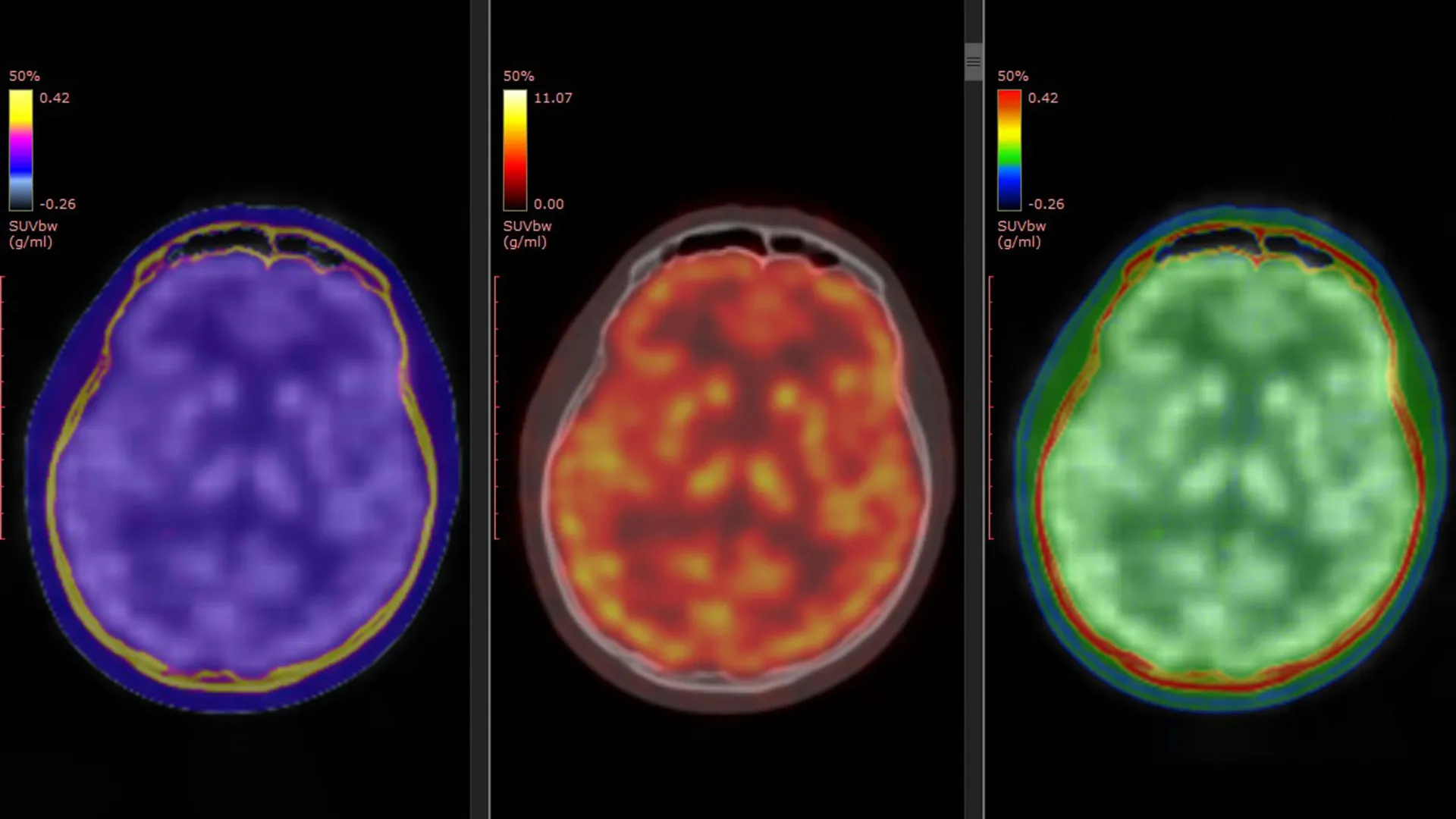
A landmark study, published on March 5, 2026, in the esteemed journal Molecular Psychiatry, has taken a significant leap forward in demystifying ketamine’s antidepressant action. Spearheaded by Professor Takuya Takahashi of the Department of Physiology at Yokohama City University Graduate School of Medicine in Japan, the research team employed a sophisticated positron emission tomography (PET) imaging technique to achieve an unprecedented direct visualization of changes in glutamate $alpha$-amino-3-hydroxy-5-methyl-4-isoxazole propionic acid receptors (AMPARs) in living human brains. AMPARs are crucial proteins that orchestrate neuronal communication, playing a vital role in synaptic plasticity – the brain’s ability to adapt and form new connections – and glutamatergic signaling, the primary excitatory neurotransmission pathway. Understanding AMPAR modulation is therefore central to grasping ketamine’s therapeutic impact.
Professor Takahashi articulated the critical need for this research, stating, "Although ketamine has shown rapid antidepressant effects in patients with treatment-resistant depression, its molecular mechanism in the human brain has remained unclear." This sentiment underscores the scientific community’s long-standing quest to bridge the gap between observed clinical efficacy and the underlying biological processes. The implications of such a breakthrough extend far beyond academic curiosity, promising to pave the way for more targeted and effective interventions for individuals enduring the profound challenges of TRD.
Advanced Imaging Technology Reveals Key Brain Receptor Dynamics
The success of this groundbreaking study hinged on the utilization of a novel PET tracer, meticulously developed by Professor Takahashi’s team and designated as [$^11$C]K-2. This innovative tracer possesses the remarkable ability to allow scientists to directly visualize cell-surface AMPARs within the living human brain. Prior laboratory experiments and studies conducted on animal models had strongly suggested that ketamine’s antidepressant effects were intrinsically linked to AMPAR activity. However, this new research provides the first direct, irrefutable evidence of this process occurring in humans, transforming theoretical hypotheses into tangible observations.
The rigorous methodology involved the integration of data from three distinct, registered clinical trials that had been conducted in Japan. This multi-trial approach enhanced the robustness and generalizability of the findings. The participant pool comprised 34 individuals diagnosed with treatment-resistant depression and 49 healthy volunteers who served as a crucial control group. The careful selection of participants and the inclusion of a control group were essential for isolating the specific effects of ketamine and differentiating them from normal brain function.
Participants diagnosed with TRD were administered either intravenous ketamine or a placebo over a two-week treatment period. PET brain imaging was performed at two critical junctures: prior to the commencement of any treatment and again following the final infusion. This strategic timing allowed the researchers to meticulously compare any changes in AMPAR levels and their distribution within the brain, providing a dynamic snapshot of ketamine’s impact over the course of treatment. This longitudinal imaging approach is a significant advancement in understanding the temporal dynamics of drug action in the brain.
Region-Specific Brain Adaptations Correlate with Symptom Alleviation
The analytical results revealed compelling insights into the neurobiological underpinnings of ketamine’s efficacy. Individuals diagnosed with TRD exhibited widespread, yet specific, abnormalities in AMPAR density when compared to their healthy counterparts. Notably, these differences were not uniform across the entire brain but were concentrated in particular functional regions. This observation suggested that TRD itself might be associated with localized disruptions in glutamatergic signaling.
Furthermore, the study demonstrated that ketamine did not induce uniform changes in AMPAR density throughout the brain. Instead, the therapeutic improvements experienced by patients were intricately linked to dynamic, region-specific adjustments in AMPAR levels. In certain cortical areas, an increase in AMPAR density was observed, potentially indicating a restoration of crucial neuronal connections. Conversely, a reduction in AMPARs was noted in brain regions implicated in reward processing, most notably the habenula, a small but highly influential brain nucleus known for its role in processing negative feedback and aversive stimuli.
The magnitude and direction of these region-specific shifts in AMPAR distribution were strongly correlated with the degree of improvement in patients’ depressive symptoms. This finding is profoundly significant, as it directly links observable molecular changes in the brain to tangible clinical outcomes. Professor Takahashi elaborated on this critical connection: "Ketamine’s antidepressant effect in patients with TRD is mediated by dynamic changes in AMPAR in the living human brain. Using a novel PET tracer, [$^11$C]K-2, we were able to visualize how ketamine alters AMPAR distribution across specific brain regions and how these changes correlate with improvements in depressive symptoms."
These meticulously gathered observations provide robust human evidence that not only supports previously identified mechanisms from animal studies but also directly connects them to the observed clinical antidepressant effects. This validation is crucial for advancing the scientific understanding and clinical application of ketamine.
A Potential Biomarker for Predicting Treatment Efficacy
Beyond illuminating the intricate workings of ketamine, the findings of this study hold significant practical clinical value. The ability to perform PET imaging of AMPARs could potentially serve as a critical biomarker for evaluating and predicting how individuals diagnosed with TRD will respond to ketamine treatment. In an era where a substantial number of patients do not achieve adequate relief from standard antidepressant medications, the identification of reliable biological markers that can predict treatment response is a paramount goal in mental health care.
Such biomarkers could revolutionize the clinical approach to TRD by enabling physicians to stratify patients and offer the most promising treatment options earlier in the therapeutic journey. This personalized approach could reduce the trial-and-error often associated with finding effective treatments for complex mental health conditions, thereby minimizing patient suffering and optimizing resource allocation.
Towards a New Era of Personalized Depression Therapies
By enabling scientists to directly visualize AMPAR activity in the living human brain, this research has effectively bridged a long-standing chasm between fundamental laboratory investigations and the practical realities of clinical psychiatry. The study unequivocally identifies AMPAR modulation as a central and critical mechanism underpinning ketamine’s rapid antidepressant effects. More importantly, it strongly suggests that AMPAR PET imaging holds immense potential for guiding the development and implementation of more personalized treatment strategies for individuals with TRD in the future.
The implications of this work are far-reaching. It offers a tangible pathway towards the development of more precise and effective therapies, moving away from a one-size-fits-all approach to a more nuanced and individualized model of care. This could lead to novel drug development targeting AMPAR pathways, or the refinement of existing treatments like ketamine to maximize efficacy and minimize side effects, tailored to an individual’s unique neurobiological profile.
Broader Implications for Mental Health Research and Treatment
The study’s success represents a significant advancement in the field of neuropsychiatry, demonstrating the power of cutting-edge imaging techniques in unraveling complex brain disorders. The ability to visualize receptor dynamics in vivo opens up new avenues for research into other neurological and psychiatric conditions where glutamatergic signaling is implicated. Future research could explore whether similar AMPAR abnormalities are present in other forms of depression or mood disorders, and whether other pharmacotherapies might also target these crucial receptors.
Moreover, the development and validation of the [$^11$C]K-2 PET tracer itself is a major scientific achievement. This tool can now be utilized by other research institutions globally to further investigate AMPAR function in various brain states and disorders. The collaborative nature of the study, integrating data from multiple clinical trials, also highlights the importance of data sharing and multi-institutional cooperation in accelerating scientific discovery.
The financial support for this pioneering research underscores the global commitment to advancing mental health treatments. The Ministry of Education, Culture, Sports, Science and Technology; the Japan Agency for Medical Research and Development (AMED); the Japan Society for the Promotion of Science KAKENHI; the Takeda Science Foundation; the Keio Next-Generation Research Project Program; the SENSHIN Medical Research Foundation; and the Japan Research Foundation for Clinical Pharmacology all provided crucial funding, enabling Professor Takahashi and his team to undertake this complex and vital investigation. Their collective investment in this research signals a strong belief in its potential to transform the lives of individuals suffering from treatment-resistant depression.
In conclusion, this study represents a pivotal moment in our understanding of ketamine’s antidepressant action. By providing direct visual evidence of AMPAR modulation in the human brain, the research not only demystifies a critical therapeutic mechanism but also lays the groundwork for more personalized and effective treatments for millions struggling with treatment-resistant depression. The future of mental health care, informed by such precise biological insights, appears increasingly promising.

0 Comments