
For millions worldwide who have opted for dental implants to restore their smiles and chewing function, a new understanding of a persistent and challenging complication has emerged. Researchers at the Rutgers School of Dental Medicine have identified a critical mechanism by which bacteria and the very material of dental implants conspire to thwart the body’s defenses, leading to peri-implantitis, a severe infection that can erode the jawbone. This groundbreaking discovery, published in the esteemed journal PNAS Nexus, offers the first credible drug target for a condition that affects a significant portion of implant recipients and imposes a substantial economic burden on healthcare systems globally.
The Pervasive Threat of Peri-implantitis
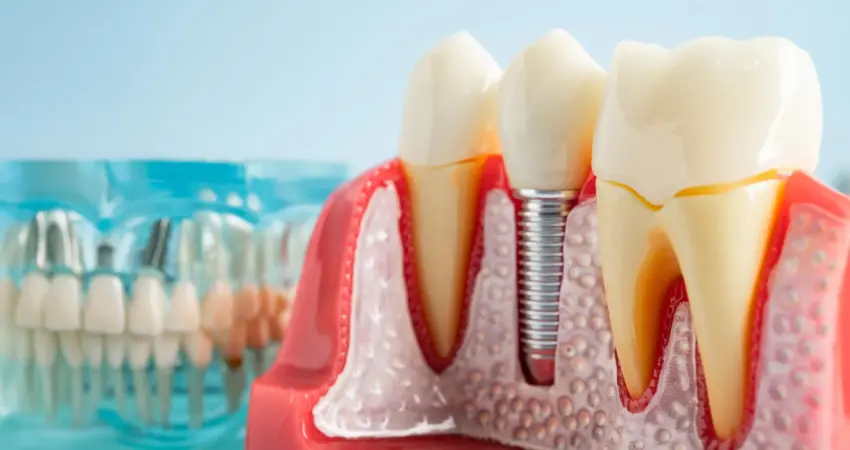
Dental implants, a marvel of modern restorative dentistry, have revolutionized the treatment of tooth loss. Offering a stable and aesthetically pleasing alternative to traditional dentures, they consist of titanium posts surgically placed into the jawbone, serving as anchors for artificial teeth. Since their widespread adoption, they have provided a durable solution for tens of millions of individuals, restoring not only appearance but also the ability to eat and speak with confidence.
However, the success of dental implants is not without its challenges. A concerning percentage of patients, estimated to be between 10% and 20%, eventually develop peri-implantitis. This aggressive infection targets the tissues surrounding the implant, leading to inflammation and a gradual but often irreversible loss of the supporting jawbone. The consequences can range from implant instability and loosening to complete failure, necessitating removal and further complex restorative procedures.
A particularly vexing aspect of peri-implantitis has been its resistance to conventional treatments. While antibiotics are the cornerstone of managing many bacterial infections, they frequently prove ineffective against peri-implantitis. This clinical observation has long puzzled scientists, prompting intensive research into the underlying causes of this treatment recalcitrance.
The Unveiling of a Molecular Sabotage
The new Rutgers study posits that the culprit is not solely the bacteria but a complex interplay between microbial activity and the titanium implant material itself. The research team’s extensive investigation, encompassing human tissue samples, in-vitro studies with human immune cells, and experiments with genetically engineered mice, has illuminated a previously unknown pathway of destruction.
The core of the discovery lies in the gradual corrosion of dental implants by bacteria. As these microbes colonize the implant surface, they create acidic biofilms. These biofilms, over time, can subtly degrade the titanium, releasing microscopic particles of the metal into the surrounding gum and bone tissues. These particles, often smaller than a red blood cell, are then encountered by the body’s immune system.
Hijacking the Immune System: The Titanium Particle’s Deception
The research highlights how these minuscule titanium fragments act as unwitting accomplices in the immune system’s downfall. When titanium particles are released into the tissues, they attract lipopolysaccharide (LPS), a potent toxin commonly found on the surface of gram-negative bacteria. This combination of titanium and LPS creates a deceptive signal for the immune system.
Macrophages, a crucial type of white blood cell tasked with engulfing and neutralizing pathogens, are drawn to these titanium-LPS complexes. However, the macrophages are ill-equipped to process or break down the titanium particles. Instead of successfully eliminating a threat, they become ensnared in a prolonged state of hyper-inflammation.
"These particles are little magnets that attract the bacterial toxin, and they hijack the immune system, preventing it from clearing bacteria," explained Dr. Georgios Kotsakis, senior author of the study and assistant dean for clinical research at Rutgers School of Dental Medicine. "You have a perfect storm that defies antibiotics."
This chronic inflammatory state is characterized by the overproduction of inflammatory signaling molecules, such as interleukin-1 beta. This protein is also implicated in other chronic inflammatory diseases like rheumatoid arthritis and Alzheimer’s disease, underscoring the pervasive nature of this immune dysregulation.
The consequence of this immune overreaction is twofold. Firstly, the persistent inflammation directly attacks and breaks down the jawbone that supports the implant, leading to bone loss. Secondly, the macrophages become so preoccupied with the non-digestible titanium particles that their capacity to fight the actual bacterial infection is severely diminished. Laboratory experiments vividly demonstrated this, showing that macrophages exposed to titanium particles engulfed less than half the number of bacteria compared to those that had not encountered the metal fragments.
Identifying a Novel Therapeutic Target: The TRPC1 Calcium Channel
With a clearer understanding of the destructive mechanism, the researchers delved deeper into the molecular pathways involved. Their investigation pinpointed a specific calcium channel, known as TRPC1, located within the membranes of macrophages. This channel plays a pivotal role in mediating the inflammatory response triggered by the titanium particles and the associated bacterial toxins.
To validate the significance of TRPC1, the team conducted experiments using genetically engineered mice that lacked this particular calcium channel. These mice were then exposed to the same combination of titanium particles and bacteria that induces peri-implantitis in normal mice. The results were striking. The mice without functional TRPC1 exhibited a dramatically attenuated inflammatory response. They developed significantly smaller abscesses, produced fewer inflammatory signaling molecules, and crucially, retained their ability to effectively clear bacteria. The disabling of the TRPC1 channel effectively prevented the onset of the destructive disease process.
This finding represents a monumental leap forward in the fight against peri-implantitis. It moves beyond the long-standing focus on eradicating bacteria and instead targets the immune system’s own overzealous response, which is being manipulated by the implant material.
Implications for Future Treatments and Prevention
The identification of the TRPC1 calcium channel as a key player in peri-implantitis opens up an entirely new avenue for therapeutic development. Instead of relying solely on antibiotics, which have proven largely inadequate, future treatments could focus on modulating the immune response by inhibiting or regulating the activity of this specific channel.
Dr. Kotsakis expressed optimism about the future: "For the first time, we show why all the antibiotic treatments that work around teeth do not work around implants. Now that we know the cause, we can start developing therapeutics."
The National Institutes of Health has recognized the significance of this research, providing funding to Kotsakis and his team to explore potential drug candidates that can target this molecular pathway in human cells. This collaborative effort aims to translate these laboratory findings into tangible treatments for patients suffering from this debilitating condition.
Reinforcing the Importance of Preventive Care
While the prospect of novel drug therapies is exciting, the current research also underscores the enduring importance of preventive measures. For individuals with dental implants, regular professional dental cleanings remain the most effective known strategy for mitigating the risk of peri-implantitis.
However, the study also sheds light on why certain cleaning practices have historically been more problematic. Until about a decade ago, it was common for dentists to use metal scalers—instruments designed for natural teeth—to clean implants. Research, including that conducted by the Rutgers team, has since demonstrated that these abrasive tools can damage and corrode the titanium surfaces of implants. This damage can dislodge additional titanium particles, exacerbating the problem and accelerating the onset or progression of peri-implantitis.
Consequently, modern dental practice has largely shifted towards using nonabrasive cleaning methods and specialized instruments for implant maintenance. This evolution in cleaning techniques, informed by scientific understanding, plays a crucial role in protecting implant surfaces and minimizing the risk of complications.
Broader Impact and Economic Considerations
The economic implications of peri-implantitis are substantial. Globally, the costs associated with treating this condition are estimated to exceed $1 billion annually. This figure encompasses the expense of diagnostic procedures, surgical interventions, bone grafting, implant removal, and the eventual replacement of failed implants. Beyond the financial burden, the impact on patient quality of life—including pain, discomfort, difficulties with eating and speaking, and the emotional toll of treatment failure—is immeasurable.
This discovery has the potential to not only alleviate patient suffering but also to significantly reduce healthcare expenditures. By offering a targeted approach to treatment, it could lead to more successful outcomes, fewer complications, and a longer lifespan for dental implants.
A Paradigm Shift in Understanding Implant Complications
The research from Rutgers represents a paradigm shift in how peri-implantitis is understood and addressed. For decades, the focus has been predominantly on the bacterial culprits. This new understanding acknowledges the critical role of the implant material itself and its interaction with the host’s immune system.
The journey from initial observation to molecular discovery has been a long one, with scientists dedicating years to unraveling the complexities of this condition. The evolution of research in this area can be traced through the growing body of literature on implant complications, with early studies focusing on identifying bacterial species and their virulence factors. More recent investigations have begun to explore the host response and the biomechanical and biochemical interactions at the implant-tissue interface. This Rutgers study marks a significant milestone in that evolving narrative, providing a clear, actionable target for intervention.
As Dr. Kotsakis and his colleagues continue their work, the dental community and millions of implant recipients worldwide watch with anticipation. The promise of therapies that can effectively combat peri-implantitis, by understanding and neutralizing the subtle but devastating sabotage of the immune system by titanium particles, offers renewed hope for the long-term success of dental implants and the restoration of oral health. This breakthrough not only illuminates a path toward new treatments but also reinforces the critical importance of ongoing research and evidence-based preventive care in maximizing the benefits of modern dental technology.

0 Comments