
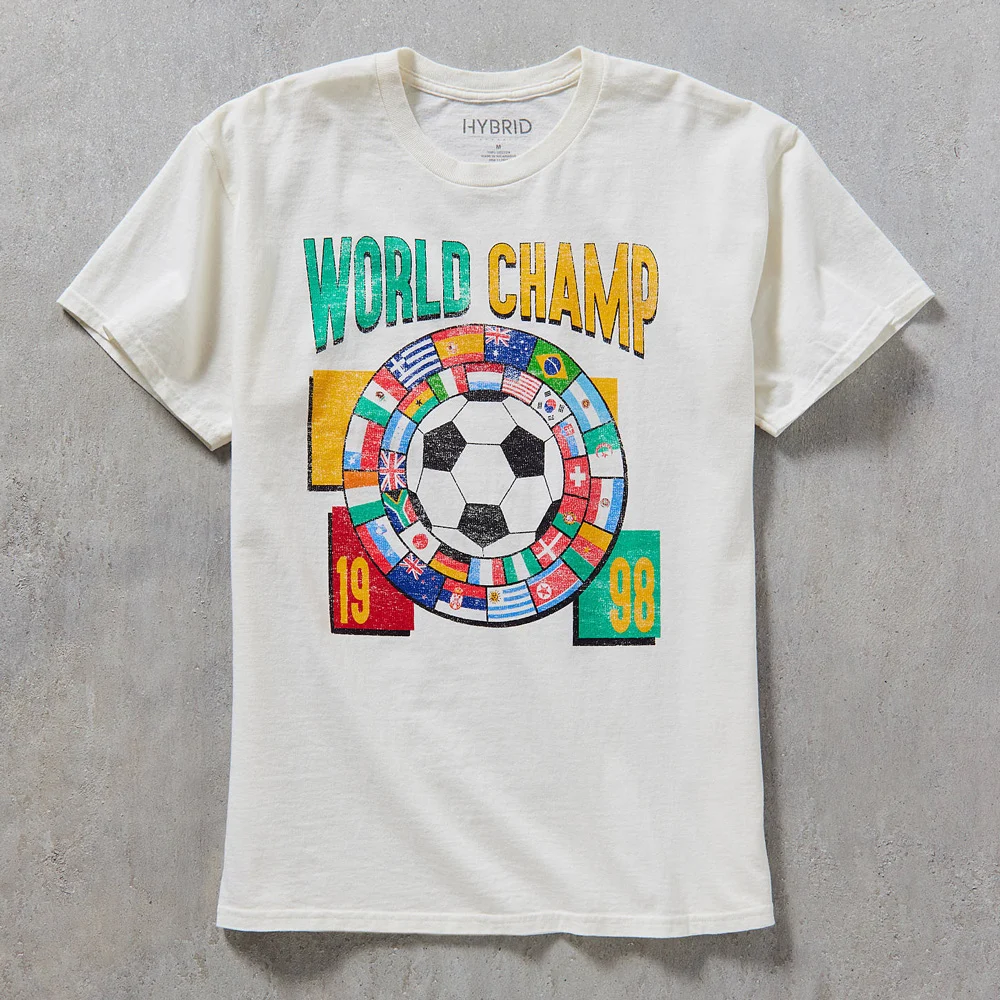
The global fashion landscape is currently undergoing a significant transformation as the sporting world prepares for the 2026 FIFA World Cup, an event set to be the largest in the tournament’s history. For the first time, three nations—the United States, Canada, and Mexico—will co-host the competition, which will also feature an expanded format of 48 teams. This massive geographic and athletic expansion has triggered a preemptive surge in "blokecore," a fashion movement that integrates traditional soccer aesthetics with modern street style. As consumers increasingly look toward the summer months, major athletic brands and fast-fashion retailers are pivoting their inventories to capitalize on the intersection of athletic loyalty and sartorial expression.

The Strategic Shift in Athletic Apparel
The emergence of soccer-inspired fashion is not merely a seasonal trend but a calculated response to the shifting demographics of sports fandom. Historically, soccer jerseys were viewed primarily as functional performance wear or fan merchandise restricted to the stadium. However, the 2026 World Cup cycle has seen a departure from these traditional boundaries. Brands such as Adidas and Nike are leading the charge by releasing "reconstructed" silhouettes that prioritize aesthetic versatility over on-field utility.
Market analysts note that the global sports apparel market is projected to reach a valuation of over $250 billion by 2026, with a significant portion of that growth attributed to the "athleisure" and "sport-chic" categories. By deconstructing the traditional soccer kit and reassembling it into off-the-shoulder tops, cropped jerseys, and high-fashion accessories, manufacturers are successfully targeting a broader demographic, including those who may not be traditional followers of the sport but are influenced by the global "fútbol" culture.

A Chronology of the 2026 FIFA World Cup Preparation
The road to the 2026 FIFA World Cup has been marked by several key milestones that have influenced current retail cycles. In June 2018, the United Bid (USA, Canada, and Mexico) was selected by the FIFA Congress. Since then, the focus has shifted toward infrastructure and cultural integration.
In June 2022, FIFA announced the 16 host cities, which include major fashion hubs such as New York/New Jersey, Los Angeles, and Mexico City. This announcement served as a catalyst for brands to begin developing localized and lifestyle-oriented merchandise. By early 2024, the "Blokecore" trend reached its zenith on social media platforms like TikTok and Instagram, where influencers began pairing vintage jerseys with high-end tailoring. The current release of the 2026-inspired collections represents the retail sector’s final push to establish soccer as the dominant aesthetic for the two-year lead-up to the opening whistle.

Analysis of Key Market Entries
As the tournament approaches, several specific pieces have emerged as front-runners in the soccer-chic movement. These items reflect a blend of national pride, vintage nostalgia, and contemporary design.
1. The Reconstructed Aesthetic: Argentina and Mexico
Adidas has leveraged its long-standing partnership with reigning World Cup champions Argentina to release a reconstructed "bringback" jersey. This piece utilizes a one-shoulder design and tie-back features, moving away from the rigid structure of a standard kit. Similarly, the Mexico reconstructed jersey features a handkerchief hem and thin straps, incorporating the iconic three-stripes branding into a feminine silhouette. This strategy allows the brand to maintain its athletic heritage while appealing to the "festival-wear" market.

2. The Brazil Influence
Brazil remains the most successful nation in World Cup history, and its vibrant yellow and green color palette has become a staple in global fashion. The Edikted International Brasil Tank Top is a prime example of how retailers are using national team branding to create accessible, everyday wear. Market data indicates that Brazil-themed merchandise consistently outperforms other national team gear in non-host countries due to the team’s "Joga Bonito" (Play Beautifully) reputation.
3. Domestic Growth: The USMNT and USA Heritage
With the United States serving as a primary host, the Nike USMNT 2026 Stadium Home Jersey has seen significant early interest. The design, which features stylized red and white stripes, is intended to evoke a sense of movement. Retailers like Hollister have also tapped into nostalgia by releasing graphic tees commemorating the 1994 FIFA World Cup, the last time the tournament was held on U.S. soil. This "retro-marketing" appeals to both older fans who remember the 1994 event and younger consumers who favor the 90s aesthetic.

4. Club and Country Crossovers
While the World Cup is a tournament of nations, the influence of European club soccer cannot be ignored. The Arsenal F.C. Graphic Mock-Neck Jacket from Hollister demonstrates how club-level branding is being integrated into the World Cup hype cycle. As many of Arsenal’s top players will be representing their respective countries in 2026, club-affiliated apparel serves as a bridge for fans who maintain year-round loyalty to the sport.
5. Accessory Innovation
Perhaps the most literal interpretation of the trend is the Adidas World Cup Soccer Ball Crossbody Bag. This item represents a shift from apparel to lifestyle accessories, allowing consumers to participate in the trend without committing to a full athletic ensemble. Industry experts suggest that novelty accessories often serve as high-margin "entry points" for brands looking to capture the attention of casual consumers.

Supporting Data and Economic Projections
The economic implications of the 2026 World Cup are staggering. FIFA has projected a revenue target of $11 billion for the 2023-2026 cycle, a nearly 50% increase over the previous period. Much of this revenue is expected to come from licensing and merchandising.
In the United States alone, soccer participation has grown by 300% over the last 40 years, and the arrival of global icons like Lionel Messi to Major League Soccer (MLS) has further accelerated domestic interest. This cultural shift is reflected in consumer spending habits; data from retail analytics firms show that "soccer" as a search term in the fashion category has increased by 85% year-over-year.

Industry Reactions and Expert Analysis
Fashion industry analysts suggest that the current trend is part of a larger movement toward "sport-core." "What we are seeing is the democratization of the soccer jersey," says Sarah Jenkins, a senior retail consultant. "It is no longer about who you support on the pitch; it’s about the color palette, the vintage texture, and the global cultural capital that soccer carries. Brands like Urban Outfitters and PacSun are not selling sport; they are selling a global identity."
Official responses from brands like Nike and Adidas emphasize sustainability and inclusivity. Many of the 2026 kits are manufactured using recycled polyester, and the "reconstructed" lines are specifically designed to offer a wider range of fits than the traditional, often restrictive, men’s athletic cuts.

Broader Impact and Global Implications
The trend toward soccer-inspired fashion has broader implications for global cultural exchange. As the 2026 tournament spans three countries, the apparel often blends motifs from various cultures. The inclusion of vintage-inspired graphics and "Total 90" aesthetics (a nod to Nike’s mid-2000s design language) creates a shared visual history among fans across different continents.
Furthermore, the "soccer-chic" movement is helping to break down traditional gender barriers in sports merchandising. By creating styles that are traditionally feminine—such as crop tops, handkerchief hems, and tanks—brands are acknowledging the massive growth in the female fanbase, particularly following the success of the 2023 FIFA Women’s World Cup.

Conclusion
As the countdown to the 2026 FIFA World Cup continues, the intersection of fashion and football will likely become even more pronounced. The 11 styles highlighted—ranging from the reconstructed jerseys of Argentina and Mexico to the nostalgic 1994 graphic tees—serve as a blueprint for the future of sports retail. For the host nations, the event represents more than just a series of matches; it is a period of cultural dominance that will be reflected in the closets of consumers worldwide. Whether through high-performance kits or street-ready accessories, the "beautiful game" has officially secured its place on the fashion runway.

0 Comments