
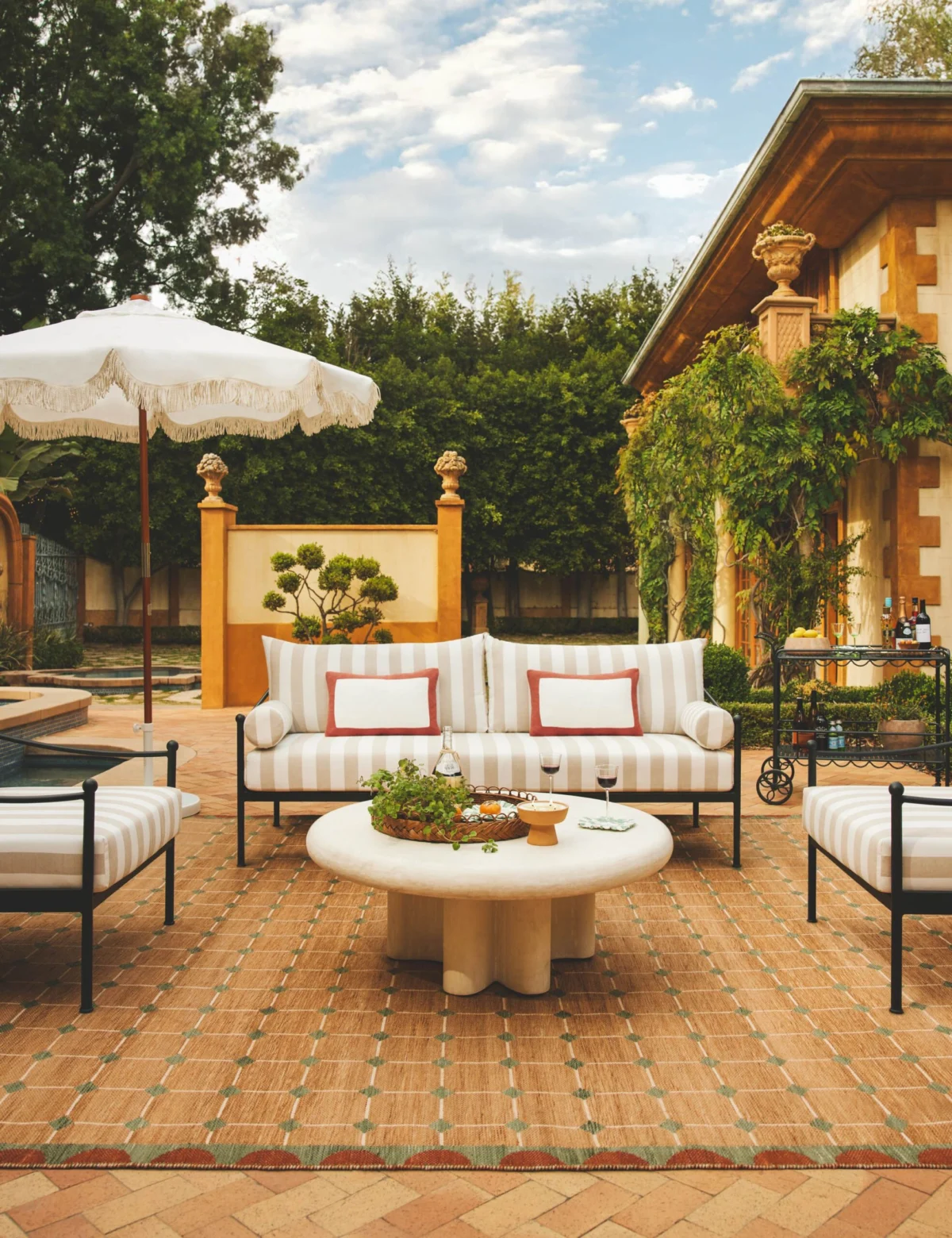
The evolution of residential architecture and interior design has reached a pivotal juncture where the traditional boundaries between indoor and outdoor living are no longer merely blurred but have effectively vanished. As homeowners increasingly view their gardens, patios, and balconies as legitimate extensions of their primary living areas, the demand for high-caliber, aesthetically sophisticated outdoor furniture has reached unprecedented levels. This shift is characterized by a move away from purely utilitarian, weather-resistant pieces toward furnishings that prioritize architectural silhouettes, tactile luxury, and bold color palettes. The current market reflects a sophisticated marriage of technical innovation in weatherproof materials and the high-fashion sensibilities typically reserved for interior showrooms.
The State of the Outdoor Furniture Market
The global outdoor furniture market has undergone a significant transformation over the last five years, driven largely by a renewed cultural focus on wellness and the "resort-at-home" lifestyle. According to industry data, the global outdoor furniture market was valued at approximately $19.2 billion in 2023 and is projected to grow at a compound annual growth rate (CAGR) of 5.5% through 2030. This growth is fueled by a consumer base that is increasingly willing to invest in premium materials such as sustainably sourced teak, powder-coated aluminum, and high-performance textiles like Sunbrella.
Designers are responding to this demand by introducing pieces that challenge the historical "boring neutral" stereotype of patio decor. The latest collections feature oversized armchairs with cabana-stripe upholstery, sofas with curved, sculptural frames, and accessories that utilize unexpected materials like travertine and marble. This shift suggests that the outdoor space is being treated with the same curatorial rigor as a formal living room or a primary suite.
Chronology of the Seasonal Design Cycle
The release of the latest outdoor furniture collections follows a meticulous industry timeline that begins nearly eighteen months before products reach the consumer. For the 2024 season, the development cycle began in late 2022, with designers focusing on "biophilic" integration—the concept of connecting occupants more closely to nature through design.
By mid-2023, major retailers and boutique design houses began finalizing collaborations, such as the highly anticipated partnership between internet personality Emma Chamberlain and West Elm, and the continued work of Sarah Sherman Samuel for Lulu and Georgia. These collaborations are timed to debut in early spring, allowing homeowners to finalize their landscape designs before the peak summer entertaining season. This chronology ensures that by the time the first thaw occurs, the market is saturated with fresh options that reflect the most current trends in color and form.
Architectural Seating and the Rise of the "Chunky" Aesthetic
One of the most prominent trends in the current outdoor landscape is the move toward "chunky," oversized seating. This aesthetic choice provides a visual weight that anchors an outdoor "room," making it feel permanent rather than transitional.
Prominent examples include the Taiko stained teak lounge chair by Ceci Thompson for CB2, which utilizes heavy-set frames to create a sense of grounded luxury. Similarly, Crate & Barrel’s Paso teak Adirondack chair offers a modernized take on a classic silhouette, providing a bridge between rustic tradition and contemporary minimalism. Industry analysts note that these heavier designs are not just a stylistic choice but a functional one, as they offer greater stability in high-wind environments and a sense of psychological comfort and "cocooning" for the user.
For those seeking a softer approach, the market has seen an influx of slipcovered and swivel armchairs. Serena & Lily’s Sundial outdoor sofa and bench-seat slipcovered pieces bring the relaxed, coastal elegance of a Hamptons living room to the backyard. These pieces utilize advanced acrylic fibers that mimic the feel of natural linen while remaining resistant to mold, mildew, and UV degradation.
Innovation in Outdoor Dining and Bistro Culture
The revival of al fresco dining has led to a diversification of dining sets tailored to varying spatial constraints. The "bistro set"—traditionally a small, foldable table and two chairs—has been elevated from a simple balcony solution to a high-design statement piece.
Retailers like Terrain and West Elm have introduced bistro sets that draw inspiration from European cafe culture, utilizing iron and glass to create airy, sophisticated vignettes. These sets are particularly popular in urban environments where square footage is at a premium. Conversely, for larger estates, the trend is toward expansive, modular dining tables. West Elm’s Telluride set, for instance, features expanding tables that can accommodate up to eight guests, reflecting a broader social trend toward large-scale outdoor hosting and community gathering.
Material Science: Beyond the Standard Metal Frame
The longevity of outdoor furniture is fundamentally tied to material science. While traditional wrought iron and plastic remain available, the premium sector is leaning heavily into sustainable teak and advanced alloys. Teak is favored for its high oil content, which naturally repels water and prevents rot, though designers are increasingly experimenting with "stained" or "weathered" finishes to provide immediate character.
Furthermore, the use of stone in outdoor furniture has seen a resurgence. Olive Atelier’s Romeo marble coffee table and Sarah Sherman Samuel’s scalloped indoor/outdoor coffee tables represent a move toward geological materials that age gracefully in an outdoor environment. These materials provide a cool-to-the-touch surface that is ideal for summer climates and offers a textural contrast to the lush greenery of a garden.
Portable Illumination and Atmospheric Lighting
Lighting is perhaps the most critical element in extending the usability of an outdoor space into the evening hours. The industry has seen a massive influx of portable, rechargeable LED lamps that eliminate the need for complex outdoor wiring. Iconic lighting brands like Louis Poulsen have adapted their classic designs, such as the Panthella lamp, into portable versions that can be moved from a dining table to a fire pit area.
Audo Copenhagen and Arhaus have also entered this space with rechargeable table lamps that utilize materials like alabaster and brass, further reinforcing the idea that outdoor accessories should be indistinguishable from their indoor counterparts. Fact-based analysis suggests that the rise of portable lighting is a direct response to the "flexible living" trend, where the function of a patio may change multiple times over the course of a single evening.
Textiles, Rugs, and the Finishing Touches
The final layer of outdoor design involves the strategic use of rugs and textiles to provide warmth and cohesion. Outdoor rugs have evolved from simple plastic mats to handwoven pieces with intricate patterns and deep textures. McGee & Co. and Lulu and Georgia have led the way in this category, offering rugs that provide the "anchor" for a furniture group.
Accessories, such as the bold, striped pillows from the Emma Chamberlain x West Elm collection, allow for low-commitment updates to a space. Designers suggest that these smaller items are where homeowners can most effectively express their personality, using "pop" colors like scarlet red or deep burgundy to contrast with the natural tones of the landscape.
Broader Implications for Property Value and Lifestyle
The professionalization of outdoor design has significant implications for the real estate market. Appraisers increasingly note that well-designed "outdoor rooms" contribute significantly to a property’s overall valuation, often yielding a high return on investment (ROI). In many high-end markets, an expertly furnished patio is considered as much of a selling point as a renovated kitchen.
From a lifestyle perspective, the enrichment of outdoor spaces reflects a broader societal shift toward "slow living" and the prioritization of domestic comfort. By investing in furniture that is as comfortable as it is durable, homeowners are effectively reclaiming their land and transforming it into a functional sanctuary.
Conclusion: The Designer’s Consultation
Ultimately, the current class of outdoor furnishings represents a new era of domesticity. The question "did a designer consult on this?" is becoming more common as backyards transition from afterthoughts to curated masterpieces. Whether it is through the use of a squiggly-based iron chaise lounge or a minimalist travertine coffee table, the goal of modern outdoor furniture is to facilitate a seamless transition between the shelter of the home and the beauty of the natural world. As technology continues to improve the durability of luxury materials, the potential for outdoor design appears limitless, promising a future where every breakfast under the trees is as stylish as a dinner in the dining room.

0 Comments