
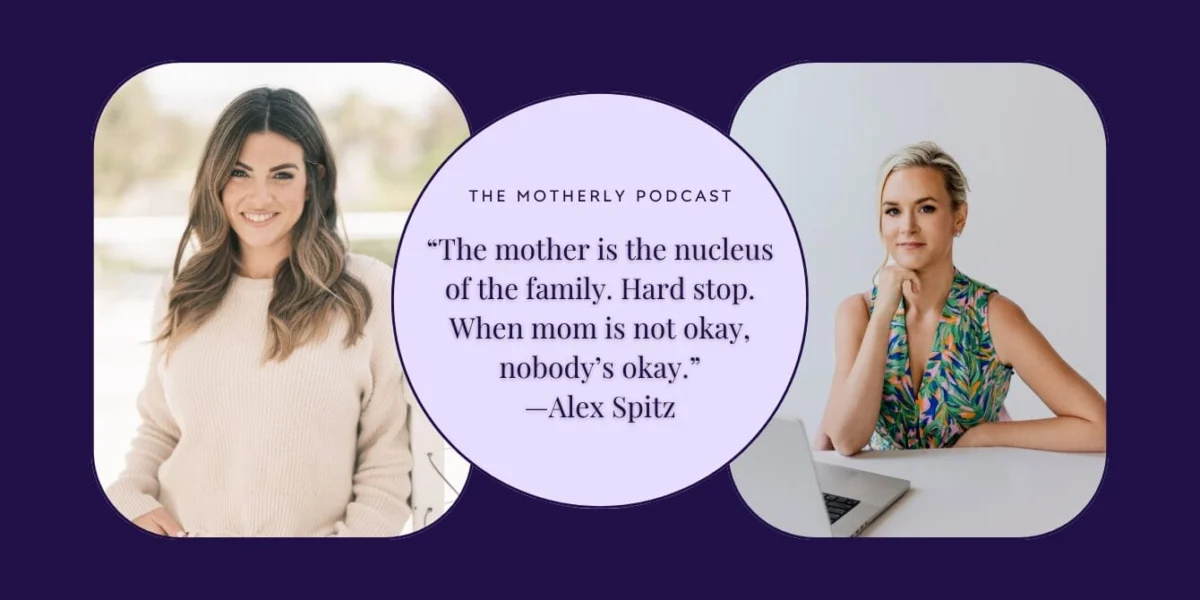
Alex Spitz, a visionary entrepreneur and mother, has spearheaded a transformative movement in postpartum care through her organization, New Mom School. What began 15 years ago as a personal struggle with the isolating realities of new motherhood has blossomed into a nationwide franchise, offering structured, research-backed, in-person support to thousands of women. In a recent interview on The Motherly Podcast with Liz Tenety, Spitz delved into the profound "care gap" that leaves many American mothers unsupported after childbirth, the irreplaceable power of community, and her philosophy for cultivating joy amidst the chaos of new parenthood. Her insights highlight a critical need for systemic change in how society supports its newest mothers.

The Genesis of New Mom School: A Personal Revelation
Spitz’s journey into advocacy began with a deeply personal experience. When she welcomed her first son 15 years ago, her expectations were far removed from the harsh reality that awaited her. She envisioned a seamless transition, where her newborn would be a "little accessory," easily integrated into her existing lifestyle of lunches with friends and stylish baby gear, all within a blissful 12-week maternity leave. Instead, she was "blindsided" by an "emotional earthquake"—a period marked by isolation, frustration, and an overwhelming sense of inadequacy. "I felt like I couldn’t do anything right. Everything I was reading had conflicting information. I felt like a failure. I felt guilt no matter what I did," Spitz recounted. This profound shock and lack of preparedness became the catalyst for her future endeavors. She distinctly remembers thinking, "Why didn’t anyone prepare me for this?"

Her lifeline emerged from a local mom group, albeit one that lacked the structured guidance she craved. It was in this informal gathering that Spitz recognized both the immense void in postpartum support and the tangible potential for a more comprehensive solution. This realization fueled her resolve to create what she wished she had during her own challenging transition.

Identifying the "Care Gap" in American Postpartum Support
Spitz’s narrative underscores a systemic flaw within the American healthcare and social support infrastructure: the pronounced "care gap" for postpartum mothers. Unlike many other developed nations that provide extensive, state-funded postnatal care, including home visits from nurses and extended parental leave, the United States often prioritizes childbirth over the critical "fourth trimester." This period, extending for months after birth, is characterized by profound physical recovery, hormonal shifts, and intense emotional and psychological adjustments for the mother.

Data consistently highlights this deficiency. Studies from organizations like the Centers for Disease Control and Prevention (CDC) and the American College of Obstetricians and Gynecologists (ACOG) reveal that postpartum depression affects approximately 1 in 7 mothers, with many more experiencing significant anxiety and adjustment disorders. The lack of universal paid maternity leave, which often forces mothers back to work prematurely, further exacerbates feelings of isolation and stress. This stark reality contrasts with countries like Sweden or Finland, where comprehensive maternal support programs are integral to public health, leading to significantly lower rates of maternal mental health issues and higher overall maternal well-being. Spitz emphasized that while the medical system excels at delivering babies, it often falls short in supporting the birthing parent in the crucial months that follow.

The New Mom School Model: Community and Expert-Backed Guidance
In 2012, fueled by her personal experience and extensive research, Alex Spitz launched New Mom School in Orange County, California. Her goal was to blend the comforting intimacy of a traditional mom group with evidence-based information and expert insights. The program is built on a simple yet radical premise: "new moms shouldn’t have to do this alone."

New Mom School offers structured, research-backed, in-person support, carefully organized by babies’ birth dates. This unique cohort model ensures that mothers are grouped with peers navigating the exact same developmental stage of postpartum life. "When you have friends whose babies are even six months older and you have a newborn, it may as well be a six-year-old. The difference between a newborn and a six-month-old mother—she’s a whole new person," Spitz explained. This tailored approach allows for relevant discussions and shared experiences, fostering deeper connections. Each weekly session addresses specific topics with presentations from experts in fields such as infant sleep, lactation, maternal mental health, and relationship counseling, providing practical tools and reliable information that Spitz herself found lacking in her initial mom group experience.

Navigating Marital Dynamics and the Mental Load
One of the most surprising and challenging aspects of new motherhood for Spitz was the shift in her relationship with her husband. "We had always had this really adoring relationship and once we had our first baby, that really changed. I was not expecting that at all," she revealed. The initial weeks were fraught with "scorekeeping"—who changed more diapers, who woke up more often at night. This common dynamic, where partners quantify contributions, often erodes the foundation of a relationship already under immense strain.

Spitz and her husband were forced to confront this, leading them to a pivotal decision: "Do we want to work together to get through this so that we can stay together, because we love each other so much?" This realization led to a more collaborative approach. Spitz now advises couples to move beyond scorekeeping and instead operate as a "same team" unit. Her practical recommendation for mothers is to list all responsibilities, star those causing the most anxiety, and then engage partners in a conversation about what tasks they "like to do" or "hate the least." This strategy, she argues, promotes willingness and reduces resentment, ultimately fostering a more balanced and supportive partnership. It’s a pragmatic approach to distributing the often-invisible "mental load" that disproportionately falls on mothers.

The Indispensable Power of In-Person Connection
In an era dominated by digital interaction, Spitz firmly champions the necessity of in-person community. She candidly shared her own attempt at launching an online program for New Mom School, which "flopped." "Because that’s not what moms need. They’ll take what they can get, and there’s incredible programming out there, but that’s not what they need on a weekly basis. They need the in-person connection," she stated.

Humans are fundamentally "hardwired to be in community," tribal beings who thrive on direct interaction. Online platforms, while offering convenience, often lack the depth, vulnerability, and non-verbal cues essential for true emotional support. The shared physical space allows for genuine empathy, unfiltered conversations about struggles, and the formation of profound, lasting friendships. This is especially true for new mothers who often feel isolated at home; the act of leaving the house, connecting face-to-face, and being truly seen and heard by others experiencing similar challenges is a potent antidote to loneliness and anxiety.

From Survival to Joy: Spitz’s Philosophy of Surrender
Spitz is passionate about moving mothers beyond mere survival mode into a space of joy and thriving. Her primary advice for achieving this is "to surrender." She urges new mothers to accept their "new normal" rather than fighting against it or clinging to pre-baby expectations. This involves lowering expectations for themselves and their babies, understanding that rigid schedules or ideal sleep patterns may not align with reality. Constantly battling the present moment, she warns, can lead to chronic disappointment and resentment.

The true key to unlocking joy, according to Spitz, lies in community. "People who have done it before say the most important thing is the village, the sisterhood, being in community." She challenges the often-heard, unhelpful adage, "enjoy every minute," acknowledging that she "didn’t enjoy most minutes" during her own postpartum period. However, she believes the saying originates from a time when new motherhood was more enjoyable due to inherent community support. Motherhood, like any demanding job, requires the "right tools and resources." When these are present—support, resources, and shared experiences—the potential for joy is restored. New Mom School creates this safe space where superficial differences fade, allowing for vulnerable conversations about guilt, shame, and the messy realities of early parenthood.

Scaling Impact: The Franchise Model and Future Vision
The demand for New Mom School’s unique model was immediate and overwhelming. After its launch in Orange County, it "grew like wildfire," prompting Spitz to transition it into a franchise in 2023. By January 2026, the concept had expanded to 37 locations across the country, with 21 already operational and the rest in development. This rapid expansion speaks volumes about the universality of the "care gap" and the profound craving for authentic maternal support nationwide.

Spitz notes that the women drawn to become franchisees are "driven, motivated, passionate," and eager to contribute to a larger movement. They recognize that mothers everywhere are living "parallel lives," united by shared challenges and the fundamental need for community. Her ultimate ambition extends beyond individual centers; Spitz dreams of policy change, envisioning a future where "every woman gets to have some kind of community and village across this country" as a standard part of postpartum care.

The Unmet Need: Insurance Coverage and Systemic Change
Despite its demonstrable positive impact on maternal well-being, New Mom School is "tragically" not covered by insurance as an in-network provider. Spitz views this as a critical oversight, arguing that this type of postpartum support is not a "nice-to-have" luxury but a "need to have." She advocates for its inclusion under insurance, Health Savings Accounts (HSAs), or Flexible Spending Accounts (FSAs), calling for legislative and healthcare policy changes.

"It’s a huge investment in the future wellbeing of you as a mom and your family and your kids," she asserted. The absence of insurance coverage reflects a broader societal undervaluing of maternal mental and emotional health, forcing many families to bear the financial burden of essential support. Obstetricians and pediatricians, recognizing the program’s value, often refer patients to New Mom School, acknowledging its role in providing research-based information and a safe haven. For Spitz, making this support universally accessible is not just a business goal but a crucial step toward creating a more equitable and supportive society for mothers and, by extension, for all families.

Alex Spitz’s Superpower: Empathy in Action
When asked about her "superpower," Spitz identified it as her sensitivity. Recalling childhood teasing for being "too sensitive" and crying often, she once perceived it as a weakness. However, she now embraces her empathic nature as her greatest strength. "I feel other people’s feelings, I know what they’re needing," she explained. It was this profound empathy that allowed her to transform her own "gut-wrenching experience" as a new mom into a solution for countless others.

Sitting in her own mom group with her newborn son, Jack, she felt a "calming and peaceful feeling" but also recognized the potential for something "better." Her sensitivity enabled her to understand the universal needs of new mothers—to be seen, heard, and supported with credible information in a communal setting. This understanding became the bedrock of New Mom School, evolving an "already amazing idea" into a "nationwide, necessary thing."

Broader Implications and the Path Forward
Alex Spitz’s work with New Mom School is more than a business success story; it is a powerful testament to the urgent need for comprehensive postpartum support and community in modern society. Her advocacy highlights the crucial role of the mother as the "nucleus of the family"—when she thrives, the entire family unit flourishes. The rapid growth of New Mom School demonstrates a collective yearning among mothers for a return to the "village" model, a yearning that social media, despite its reach, cannot fulfill.

The challenge now lies in translating this demonstrated need into systemic policy changes that recognize and fund postpartum care as an essential health service. As the national conversation around maternal health continues to evolve, initiatives like New Mom School offer a vital blueprint for fostering maternal well-being, strengthening families, and ultimately, building a more compassionate society for the next generation.

0 Comments