
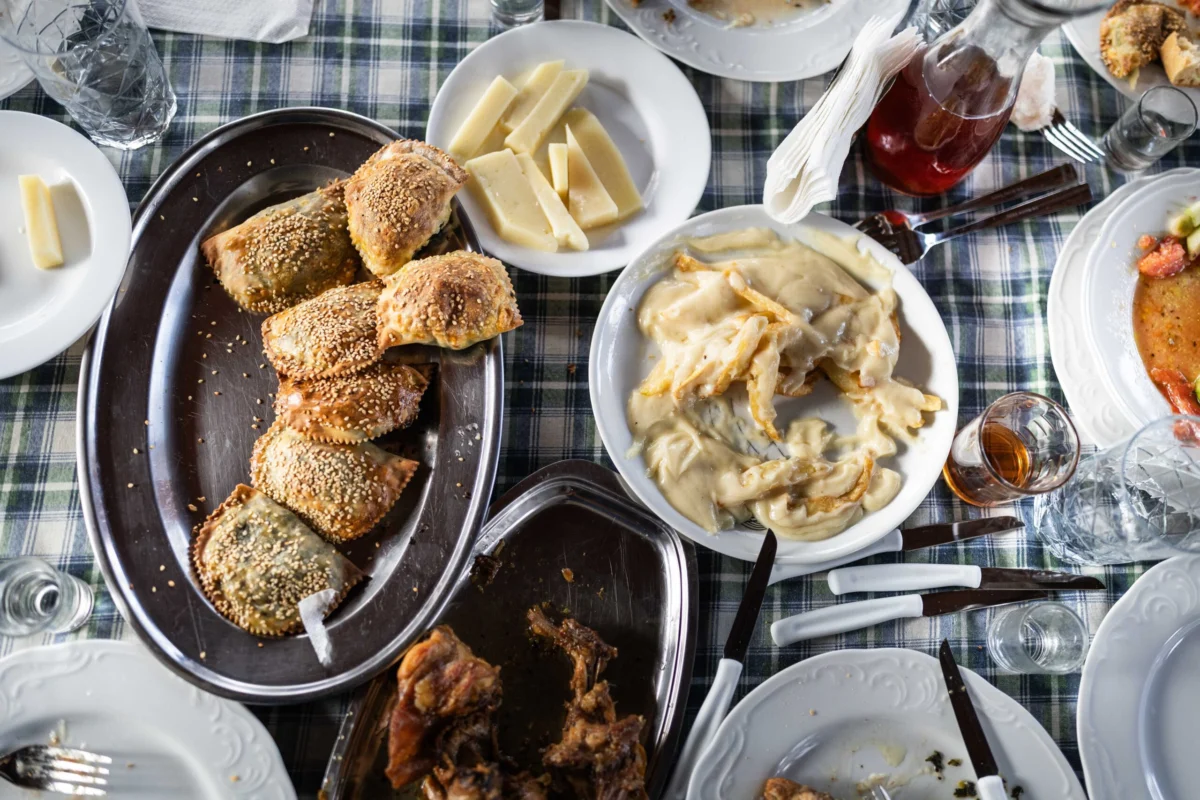
The landscape of global fine dining is currently undergoing a paradigm shift, moving away from the ostentatious displays of luxury that defined the late 20th century toward a more profound, ethically grounded connection with the earth. At the forefront of this evolution is Daniel Humm, the chef-proprietor of New York City’s three-Michelin-starred Eleven Madison Park. In an ambitious effort to deepen his team’s understanding of sustainable food systems and ancestral agricultural practices, Humm recently led a two-week culinary immersion through Greece, spanning the rugged highlands of Crete, the terraced slopes of Tinos, and the revitalized urban food scene of Athens. This research expedition, documented as a pivotal moment for the chef and his staff, serves as a blueprint for the future of his culinary empire, including a highly anticipated new venture in Manhattan’s West Village.
The Cretan High Country: A Lesson in Radical Respect
The journey began in the scrubby, wind-swept mountains of Crete, an island where the culinary identity is inextricably linked to a geography of extremes. For Humm and his team, the experience was defined by an ascent into the Psiloritis range, following a local goatherd to a mitato—a traditional dry-stone hut used by shepherds for centuries. It was here that the group participated in the humane slaughter and preparation of a goat, an event Humm described as a "spiritual experience." In the context of modern gastronomy, where meat is often divorced from its biological origin through industrial processing, this direct engagement with the life cycle of the animal served as a profound reminder of the gravity of consumption.

Humm’s observation of the "seriousness" and "respect" inherent in Cretan traditions highlights a core tenet of his philosophy: that every ingredient, from water to livestock, carries an environmental and moral weight. In Crete, this is not a modern trend but a survival strategy honed over millennia. The island is home to two UNESCO Biosphere Reserves, where the preservation of endemic species and traditional farming methods is mandated. While staying at the Milia Mountain Retreat, an eco-resort designed as an albergo diffuso, the team engaged in foraging for wild mountain greens (horta), a staple of the Cretan diet that provides high nutritional density with zero carbon footprint.
The culinary techniques encountered in the Cretan hills further emphasized the power of simplicity. At Ntounias, a farm-to-table restaurant in the White Mountains, the team observed cooking performed entirely in clay pots over open wood fires. This method, which relies on slow heat and the intrinsic moisture of the ingredients, stands in stark contrast to the high-tech, energy-intensive kitchens of Manhattan. The reliance on what is seasonally available—small fish like sardines and anchovies on the coast, and hardy legumes and wild greens in the interior—underscores the Mediterranean model of biodiversity as a culinary asset.
Tinos and the Engineering of the Aegean Landscape
Moving north to the Cycladic island of Tinos, the expedition shifted focus toward the intersection of human ingenuity and environmental preservation. Tinos is characterized by its "boulder-strewn" terrain, which necessitated the construction of extensive stone terraces known as pezoules. These ancient structures are more than just agricultural tools; they are essential pieces of environmental engineering that prevent soil erosion, manage scarce water resources, and mitigate the damage caused by the fierce Aegean winds.
.jpg)
Humm noted that these terraces, and the trails that connect them, represent a lineage of labor spanning thousands of years. On Tinos, the team was guided by chef Marinos Souranis of the restaurant Marathia. Souranis is a leading figure in the movement to reconcile traditional Aegean knowledge with modern sustainability goals. One of the most significant takeaways for the New York team was Souranis’s work with dry-aging fish. This process, which mirrors the curing of charcuterie, serves a dual purpose: it intensifies the flavor profile of the seafood while significantly extending its shelf life, thereby reducing food waste. Humm highlighted a cured fish dish that possessed the texture and complexity of prosciutto, suggesting a potential avenue for his own kitchens to explore "nose-to-tail" seafood preparation.
The foraging excursions on Tinos, which yielded wild artichokes and rock samphire, reinforced the concept that the most "luxurious" ingredients are often those that require the deepest knowledge of the land to find. This aligns with Humm’s broader advocacy for plant-forward dining, a transition he famously initiated at Eleven Madison Park in 2021.
Athens: The Synthesis of Tradition and Modernity
The final leg of the journey took place in Athens, a city currently experiencing a gastronomic renaissance. The team’s exploration was facilitated by Vassilis Bakasis of Taverna Oikonomou and Manolis Papoutsakis, the chef behind Pharaoh. At Pharaoh, located in the Exarcheia district, the team witnessed how traditional Greek flavors—such as lamb slow-cooked with golden thistle and chestnut stew—could be reimagined for a contemporary urban audience without losing their rustic soul.

A visit to Diporto, a legendary basement taverna near the Athens Central Market that has operated since 1887, provided a masterclass in ingredient-focused cooking. With no written menu, the kitchen serves only what is fresh that day, often focusing on simple preparations of chickpeas, fava beans, and gigante beans. Humm remarked on the cultural significance of serving these legumes as individual, celebrated dishes rather than mere side components. This "celebration of the single ingredient" is a principle he intends to bring back to New York, where the pressure to over-complicate often overshadows the natural quality of the produce.
The Global Context: Humm as UNESCO Goodwill Ambassador
Humm’s trip to Greece was not merely a personal vacation or a menu-planning exercise; it was a mission aligned with his international responsibilities. In late 2024, Humm was appointed as a UNESCO Goodwill Ambassador for Food Education. In this capacity, he is tasked with promoting the intersection of global foodways, biodiversity, and environmental stewardship.
The data regarding the global food system provides a stark backdrop for Humm’s work. According to the Food and Agriculture Organization (FAO), the livestock sector is responsible for approximately 14.5% of all anthropogenic greenhouse gas emissions. Furthermore, the homogenization of global diets has led to a 75% loss in crop genetic diversity over the last century. By highlighting the resilient, biodiverse agricultural systems of places like Crete and Tinos, Humm is using his platform to argue for a return to localized, diverse food cultures as a solution to the climate crisis.

His work with Rethink Food, a nonprofit he co-founded to address food insecurity in New York, also informs this perspective. Humm views the "respect for ingredients" he witnessed in Greece as a necessary precursor to solving food inequity. If society values food more deeply—viewing it as a sacred link to the earth rather than a disposable commodity—the systems of distribution and waste can be more effectively reformed.
Implications for the New York Dining Scene
The insights gained from the Aegean will manifest in several ways within Humm’s Manhattan operations. First, the influence will be felt at Eleven Madison Park, which has navigated the challenges of maintaining three Michelin stars while operating as a plant-based institution. The Greek emphasis on legumes and wild greens offers a new "toolbox" for Humm’s chefs to create satiety and complexity without relying on animal fats.
Second, the trip serves as the creative foundation for Humm’s new restaurant in the West Village. While details remain closely guarded, the project is expected to emphasize the "connection between food and place" that Humm found so palpable in Athens and the islands. The use of live-fire cooking, ancient preservation techniques like dry-aging, and a menu that celebrates individual vegetables are likely to be hallmarks of the new space.

Conclusion: A Vision for the Future
Daniel Humm’s journey through Greece underscores a growing realization among the world’s culinary elite: that the future of food lies in its past. The "spiritual experience" of the Cretan mountains and the engineered landscapes of Tinos provide evidence that a respectful, sustainable relationship with the environment is not only possible but can produce the highest level of culinary excellence.
As Humm prepares to translate these lessons for a New York audience, the broader implications for the industry are clear. The era of the "celebrity chef" as a mere creator of recipes is ending, replaced by the chef as an educator, environmentalist, and cultural ambassador. By bridging the gap between the ancient traditions of the Mediterranean and the high-pressure kitchens of Manhattan, Humm is advocating for a global food culture that honors the earth with every plate served. The recipes, as he noted, are only a small part of the story; the true lesson is the respect for the life-sustaining elements—water, soil, and animals—that make the art of cooking possible.

0 Comments