
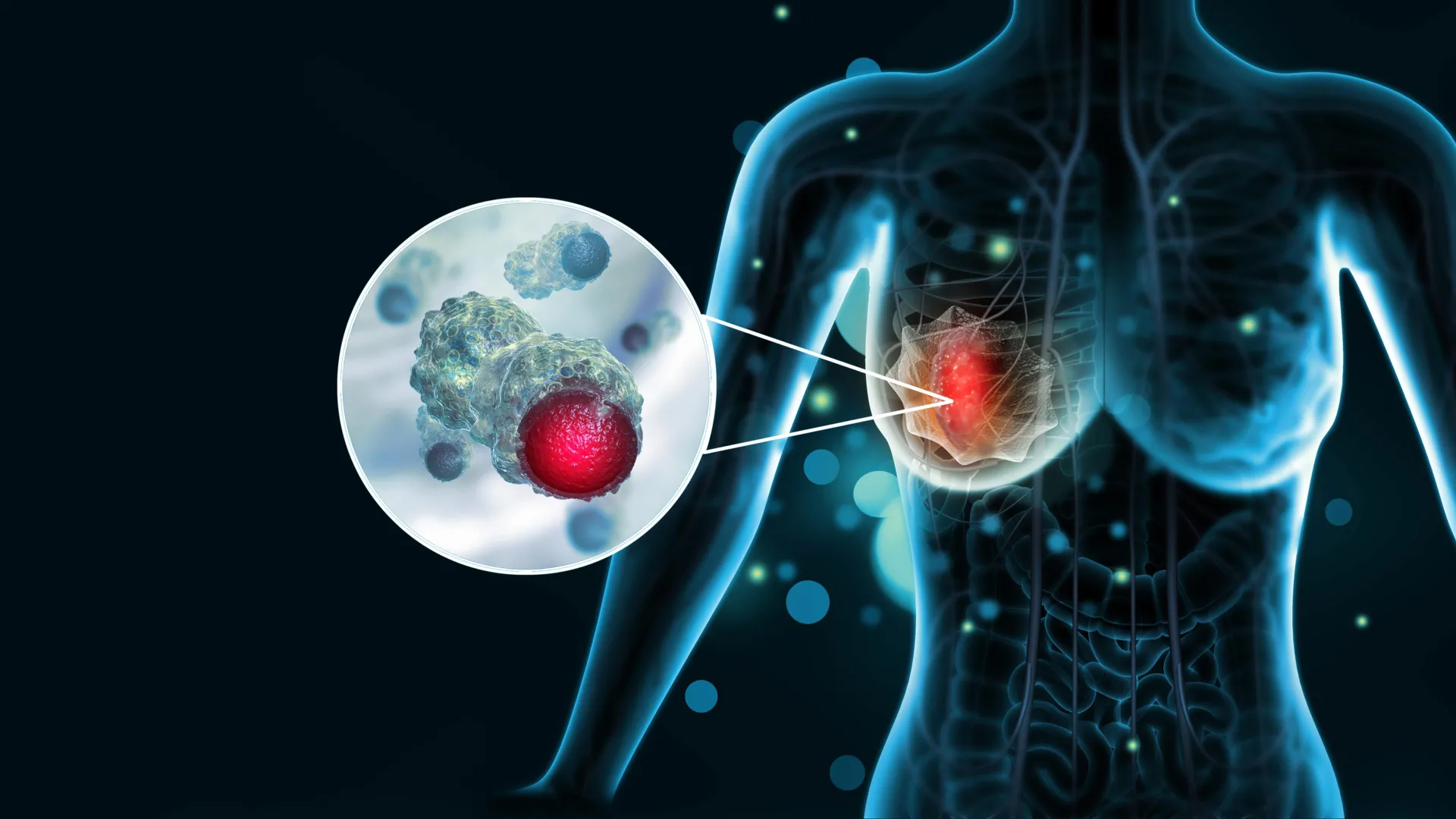
Breast cancer continues to cast a long shadow over global women’s health, standing as the most frequently diagnosed cancer worldwide. In 2022 alone, the World Health Organization (WHO) reported approximately 2.3 million new cases, a stark figure underscored by the tragic loss of roughly 670,000 lives. While advancements in treatment have brought hope and improved outcomes for many, a persistent challenge remains: the aggressive and rapidly progressing nature of certain breast cancer subtypes. These formidable adversaries often elude conventional therapeutic strategies, leaving medical professionals grappling with a critical deficit in reliable methods to predict their trajectory and guide effective interventions.
This diagnostic and prognostic void is precisely what a groundbreaking research initiative, aptly named Biomarker Research Integrating Data of Glyco-Immune Signatures and Clinical Evidence in Breast Cancer (BRIDGE), is determined to fill. This ambitious project is meticulously designed to forge a new frontier in the fight against aggressive breast cancer, focusing on the identification of subtle yet powerful biological signals that can illuminate the disease’s unique behavior within each individual patient. These signals, known as biomarkers, are measurable indicators found in biological samples such as blood or tissue, offering invaluable insights into the intricate processes of cancer development and progression. Their potential extends beyond mere detection; they can serve as crucial tools for monitoring tumor evolution and informing critical treatment decisions, offering a more precise and personalized approach to care.
Unraveling the Tumor Microenvironment: A Collaborative Endeavor
The BRIDGE project represents a significant collaboration between leading research institutions in Portugal: the Instituto de Tecnologia Química e Biológica António Xavier (ITQB NOVA) of NOVA University of Lisbon and the Portuguese Institute of Oncology (IPOFG — Instituto Português de Oncologia de Lisboa Francisco Gentil). This interdisciplinary partnership brings together cutting-edge scientific expertise and vital clinical experience, a synergy essential for translating laboratory discoveries into tangible patient benefits.
At the heart of their investigation lies a profound curiosity about the complex interplay between cancer cells and their immediate surroundings, collectively termed the tumor microenvironment. This dynamic ecosystem is far more than just a collection of malignant cells; it is a bustling community comprising immune cells, blood vessels, stromal cells, and extracellular matrix components, all of which influence the tumor’s growth, spread, and response to therapy. The BRIDGE researchers are particularly focused on understanding how specific molecules present on the surface of cells within this microenvironment might be exploited by tumors. Their hypothesis is that these molecules could play a critical role in enabling cancer cells to evade detection and destruction by the immune system, thereby fostering unchecked proliferation and metastasis.
Deciphering the "Glyco-Immune Signature": A Novel Approach
The project’s name itself, BRIDGE, hints at its core objective: to build a bridge between fundamental biological understanding and clinical application. A key area of focus is the investigation of "glyco-immune signatures." Glycans, or sugar molecules, are attached to proteins and lipids on cell surfaces and are known to be involved in a myriad of cellular processes, including cell recognition, adhesion, and immune responses. Alterations in glycan structures are frequently observed in cancer and are believed to contribute to tumor progression, immune evasion, and drug resistance. By studying these glycans in conjunction with immune cell activity, the BRIDGE project aims to uncover novel biomarkers that can predict treatment response and disease prognosis.
Dr. Catarina Brito, leader of the Advanced Cell Models laboratory at ITQB NOVA, articulated the project’s foundational premise: "We have previously identified how tumors communicate with certain cells of the immune system to protect themselves." This prior research has laid the groundwork for the current endeavor, which seeks to move beyond theoretical understanding to practical validation. "With BRIDGE," Dr. Brito continued, "we aim to validate these findings using real patient samples and translate this knowledge into clinical applications." This commitment to real-world validation is crucial; it distinguishes BRIDGE from purely academic pursuits and positions it as a translational research initiative with a direct impact on patient care.
The Crucial Role of Clinical Collaboration and Patient Samples
The involvement of the Portuguese Institute of Oncology (IPOFG) is indispensable to the BRIDGE project’s success. IPOFG will provide access to a critical resource: meticulously collected and characterized patient samples. These samples, representing diverse stages and subtypes of breast cancer, will serve as the testing ground for the biomarkers identified by the ITQB NOVA researchers. By confirming whether the laboratory findings hold true in authentic clinical settings, IPOFG’s contribution ensures that the developed biomarkers are not only scientifically sound but also clinically relevant and robust. This rigorous validation process is a non-negotiable step in the journey from discovery to diagnostic tools that physicians can reliably employ in their daily practice.
"By finding new biomarkers, we hope to contribute to more precise therapies," Dr. Brito concluded, emphasizing the ultimate goal of enhancing therapeutic efficacy. The pursuit of personalized medicine, where treatments are precisely tailored to the individual patient’s biological makeup, hinges on the availability of such precise diagnostic and prognostic markers.
Implications for Personalized Breast Cancer Care
The potential implications of the BRIDGE project are far-reaching, promising to usher in an era of more personalized and effective breast cancer care. By unraveling the intricate mechanisms through which tumors subvert the immune system, researchers aim to unlock novel avenues for both diagnosis and treatment. This could manifest in several ways:
- Early and Accurate Diagnosis: Identifying biomarkers that signal the presence of aggressive subtypes at an earlier stage could lead to more timely interventions, potentially improving survival rates.
- Predictive Treatment Response: Biomarkers could predict which patients are most likely to respond to specific therapies, such as immunotherapy or targeted drugs, thereby avoiding ineffective treatments and their associated side effects. Conversely, they could also identify patients who might benefit from more aggressive or alternative treatment strategies.
- Monitoring Disease Progression: Biomarkers could offer a non-invasive way to monitor how a patient’s cancer is responding to treatment or if it is progressing, allowing for rapid adjustments to the therapeutic plan.
- Development of Novel Therapeutic Targets: Understanding the molecular "communication" between tumors and the immune system could reveal new vulnerabilities in cancer cells, leading to the development of innovative drugs or therapeutic strategies.
This shift towards personalized care represents a paradigm change in oncology, moving away from a "one-size-fits-all" approach to a highly individualized strategy that maximizes treatment benefit while minimizing harm. The success of the BRIDGE project could significantly accelerate this transition for breast cancer patients.
Funding and the Future of Translational Research
The BRIDGE initiative is strategically supported by the iNOVA4Health Lighthouse Projects (LHP) 2025 program. This program is specifically designed to foster and fund research with a strong potential for clinical translation, meaning projects that are poised to move from the laboratory bench to the patient’s bedside. By encouraging robust collaboration among scientists, clinicians, and technology developers, the LHP program aims to accelerate the pace at which groundbreaking scientific discoveries can be translated into solutions for pressing health challenges.
Over the next two years, the BRIDGE project will receive a significant investment of up to €75,000 to fuel its crucial work. This financial backing is not merely a grant; it is an endorsement of the project’s potential impact and a commitment to advancing the fight against aggressive breast cancer. Researchers are optimistic that this investment will serve as a catalyst, expediting the development of new strategies that can profoundly improve the understanding, monitoring, and treatment of some of the most challenging forms of breast cancer. The ultimate vision is to equip clinicians with more precise tools, empowering them to make more informed decisions and offer more tailored, effective care to each woman diagnosed with this devastating disease. The BRIDGE project, therefore, stands as a beacon of hope, illuminating a path toward a future where aggressive breast cancer is no longer an intractable foe but a manageable condition with significantly improved outcomes for all.

0 Comments