
In the landscape of public health and emergency medicine, the interval between the onset of a life-threatening crisis and the arrival of professional emergency medical services (EMS) represents a critical "zero minute" window where the survival of a victim often rests entirely in the hands of untrained or semi-trained bystanders. National data from the American Heart Association (AHA) and the American Red Cross indicates that while professional paramedics are typically dispatched within seconds of a 911 call, the average response time in urban environments ranges from seven to ten minutes, extending significantly in rural or high-traffic areas. During this duration, physiological processes such as cerebral hypoxia or exsanguination can reach irreversible stages. Consequently, the role of the "first" first responder—the family member, colleague, or passerby—has become a focal point of modern community resilience and public safety initiatives.
The Critical Imperative of Immediate Intervention
Medical emergencies, ranging from sudden cardiac arrest to traumatic hemorrhaging, do not occur in controlled environments. According to the Centers for Disease Control and Prevention (CDC), unintentional injury remains a leading cause of death across nearly all age demographics in the United States. The efficacy of the "Chain of Survival"—a series of actions that, when executed in rapid succession, maximize the chance of survival for victims of cardiac arrest and other emergencies—depends heavily on the initial link: early recognition and immediate bystander intervention.
Jared Shears, an Intensive Care Unit (ICU) nurse and advocate for community medical literacy, emphasizes that while professional intervention is the ultimate goal, the stabilization of the patient must begin the moment the emergency is identified. The transition from a passive observer to an active responder requires a foundational understanding of several key lifesaving techniques. Medical professionals maintain that while digital resources and manuals provide a theoretical framework, hands-on certification through organizations such as the Red Cross or the AHA is essential for developing the muscle memory required to perform under high-stress conditions.
Cardiac Arrest and the Mechanics of Hands-Only CPR
Sudden cardiac arrest (SCA) claims the lives of approximately 475,000 Americans annually. It is a condition characterized by the abrupt loss of heart function, resulting from an electrical disturbance in the heart that disrupts its pumping action. Without immediate intervention, SCA is fatal.
The protocol for bystander response has shifted significantly over the last decade. Current AHA guidelines prioritize "Hands-Only CPR" for untrained or minimally trained bystanders who witness an adult collapse. This method eliminates the traditional mouth-to-mouth rescue breaths, focusing instead on high-quality chest compressions. The physiological rationale is that the victim’s blood typically contains enough residual oxygen to sustain vital organs for several minutes, provided the blood is kept in motion through manual pumping.
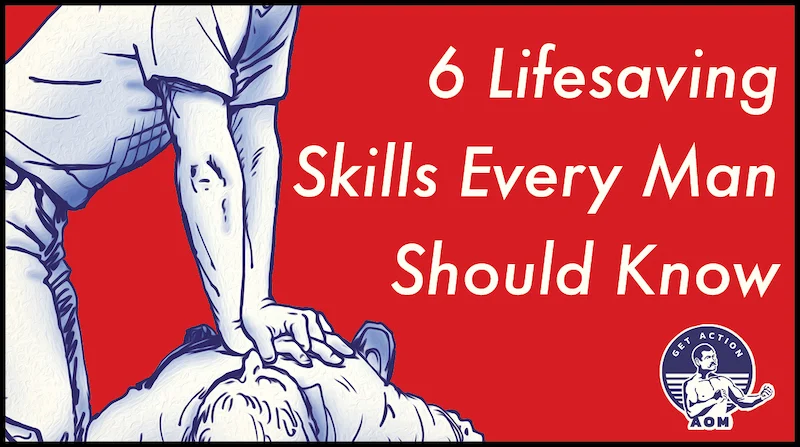
To perform Hands-Only CPR, the responder must place the heel of one hand in the center of the victim’s chest, place the other hand on top, and push hard and fast. The recommended rate is 100 to 120 compressions per minute—a cadence famously matched by the beat of the song "Stayin’ Alive." Compressions must be at least two inches deep, allowing the chest to recoil completely between strokes to ensure the heart chambers refill with blood.
Integration of Automated External Defibrillators (AED)
While CPR maintains blood flow to the brain and heart, it rarely restarts a heart that has entered ventricular fibrillation. The definitive treatment for SCA is defibrillation. Automated External Defibrillators (AEDs) are portable electronic devices designed to be used by the public. These devices automatically diagnose life-threatening cardiac arrhythmias and are capable of delivering an electrical shock to re-establish an effective rhythm.
The presence of AEDs in public spaces—offices, airports, gyms, and shopping centers—has increased survival rates dramatically. Statistics suggest that when a bystander uses an AED within the first few minutes of collapse, the probability of survival can rise to 50% or even 70%. Modern AEDs are designed with "fail-safe" technology; they will not deliver a shock unless the device’s internal computer detects a shockable rhythm, thereby mitigating the risk of accidental injury to the victim. Paramedic Charles Patterson notes that despite the intuitive voice prompts provided by these machines, prior familiarity through a training course reduces the "panic threshold," allowing for faster deployment during a crisis.
Obstructive Airway Management: The 5-and-5 Approach
Choking remains the fourth leading cause of unintentional injury death. The transition from partial to total airway obstruction can occur in seconds, leading to rapid loss of consciousness. The Heimlich maneuver, or abdominal thrusts, is the standard intervention for dislodging foreign objects from the trachea.
However, the American Red Cross currently advocates for a "5-and-5" approach to choking. This involves delivering five back blows with the heel of the hand between the shoulder blades while the victim is leaned forward, followed by five abdominal thrusts. If the victim is pregnant or obese, the thrusts should be moved higher, to the chest (chest thrusts), to avoid injury to the fetus or ineffective compression of the abdominal cavity. Specialized protocols also exist for infants, involving a combination of back slaps and chest thrusts while holding the child face-down along the forearm.
Hemorrhage Control and the Modern Tourniquet
Perhaps the most significant shift in civilian first aid over the last twenty years concerns the use of tourniquets. Historically, tourniquets were viewed as a "last resort" due to fears of permanent nerve damage or limb loss. However, data emerging from the conflicts in Iraq and Afghanistan, and subsequently analyzed by the Committee on Tactical Combat Casualty Care (TCCC), revolutionized this perspective.
The "Stop the Bleed" campaign, launched in the wake of domestic mass casualty events, highlights that a person can bleed to death in as little as five minutes. In cases of severe arterial bleeding in the extremities, a tourniquet is now considered the primary intervention. When applied correctly—high on the limb and tightened until the bleeding stops—the risk of limb loss is negligible if the patient reaches a surgical suite within two hours. Civilian kits now frequently include Windlass-style tourniquets (such as the CAT or SOFTT-W), which allow for the application of sufficient mechanical pressure to occlude arterial flow, a feat often impossible with makeshift belts or bandages.
Drowning Recognition and Water Rescue Protocols
Drowning is often a silent event, contrary to the "splashing and shouting" depictions common in cinema. The "Instinctive Drowning Response," a term coined by Dr. Francesco Pia, describes the physiological inability of a drowning person to call for help or perform voluntary movements like waving. The victim’s mouth sinks below and reappears above the surface, and their arms extend laterally to press down on the water in an attempt to lift the mouth high enough to breathe.
Rescuers are urged to follow the "Reach, Throw, Row, Go" hierarchy. Direct physical contact with a drowning person is dangerous, as the victim’s panic may lead them to submerge the rescuer. If reaching with a pole or throwing a flotation device is impossible, the rescuer should only enter the water if they are a strong swimmer, ideally approaching the victim from behind to secure them without being grabbed.
Thermal Injury Management and Burn Classification
The immediate treatment of major burns is vital for preventing infection and systemic shock. Burns are classified by depth: first-degree (superficial), second-degree (partial thickness), and third-degree (full thickness). While minor burns require cool running water and basic dressing, third-degree burns—characterized by charred or white, leathery skin—are medical emergencies that require specialized burn center care.
For severe burns, the immediate priority is to stop the burning process. This involves removing the heat source and ensuring the victim is breathing. Contrary to common myths, ice, butter, or ointments should never be applied to severe burns, as they can damage tissue further or trap heat. Instead, the area should be covered loosely with a sterile, non-adherent bandage or a clean sheet to prevent contamination during transport.
Official Responses and Public Health Implications
Public health officials and emergency physicians increasingly view bystander training not as an optional skill, but as a civic responsibility. Dr. John Montgomery, a specialist in emergency medicine, states, "The integration of community members into the emergency response system is the next frontier of trauma care. We have reached a plateau in what professional EMS can achieve alone; the next leap in survival rates will come from the empowerment of the public."
The legal landscape has also evolved to support this shift. "Good Samaritan" laws in nearly all jurisdictions provide legal protection to bystanders who provide reasonable assistance in good faith during an emergency. These laws are designed to reduce the fear of litigation, which has historically been a barrier to bystander intervention.
Analysis of Broader Societal Impact
The widespread adoption of lifesaving skills has implications beyond individual survival. Communities with high rates of CPR and AED literacy demonstrate higher levels of social cohesion and a reduced economic burden on the healthcare system. By stabilizing victims at the scene, the severity of long-term disabilities—such as those resulting from brain damage during cardiac arrest or limb loss from uncontrolled bleeding—is mitigated. This reduces the long-term costs of rehabilitative care and lost economic productivity.
Furthermore, the "democratization" of medical knowledge through accessible training programs ensures that life-saving interventions are available across all socioeconomic strata. As modern medicine continues to advance, the focus remains on the "zero minute." The ability of a regular citizen to remain calm, recognize a life-threatening condition, and apply basic interventions remains the most effective tool in the global effort to reduce preventable deaths. In the final analysis, the preparedness of the bystander is the ultimate safeguard of public safety.

0 Comments