
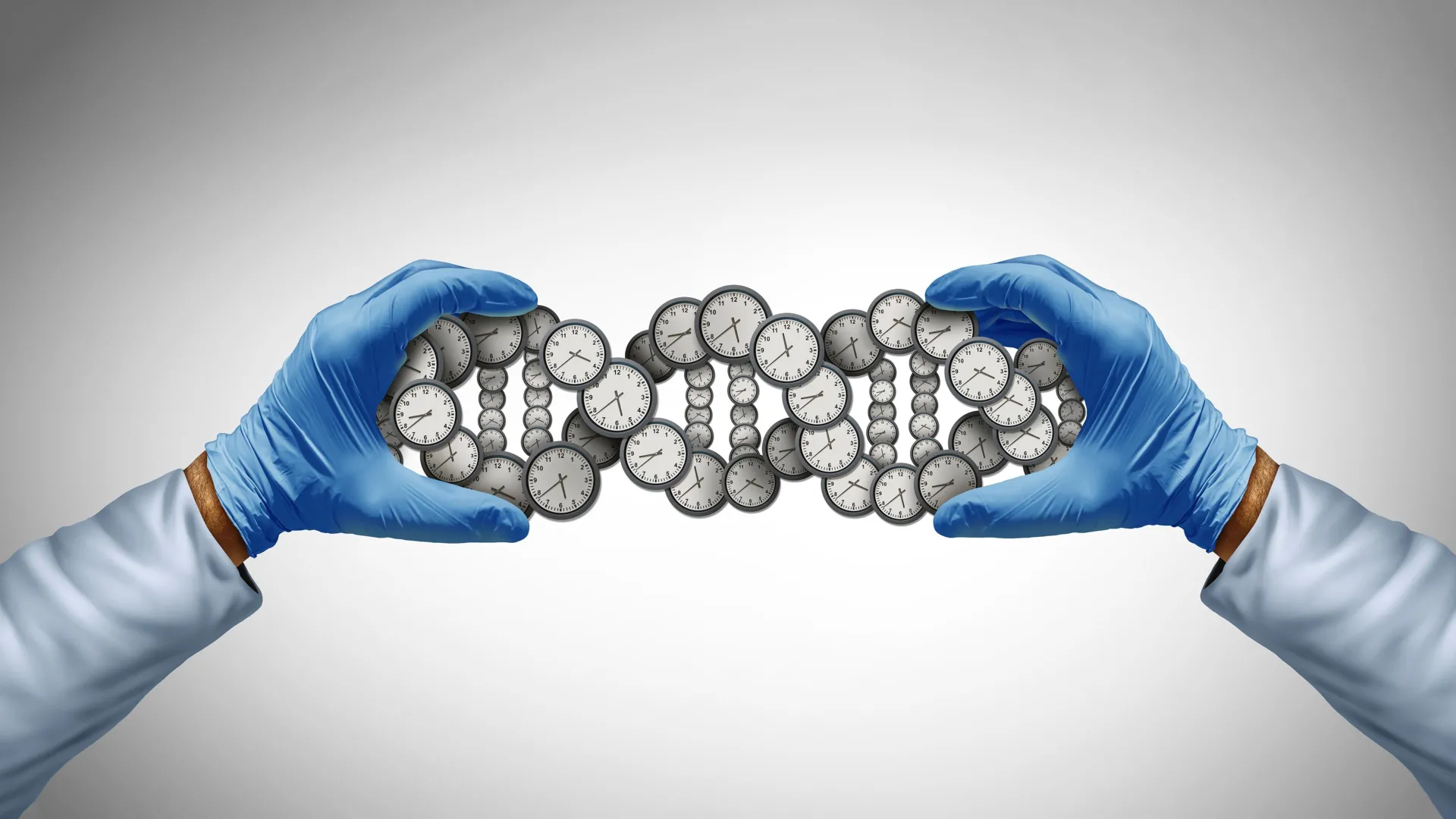
For decades, the prevailing scientific consensus held that genetics played a relatively minor role in determining how long humans live. Early estimations, often cited in scientific literature and public discourse, suggested that inherited factors accounted for approximately 20 to 25 percent of the differences in lifespan among individuals. Some large-scale studies even placed this figure below 10 percent. This long-standing view fostered a perception that lifestyle choices, environmental exposures, and access to healthcare were the primary drivers of longevity, leading to considerable skepticism regarding the potential for identifying specific genetic determinants of a long life. However, a groundbreaking new study from the Weizmann Institute of Science, published in the prestigious journal Science, is poised to fundamentally challenge this deeply entrenched understanding.
The research, led by Ben Shenhar from the laboratory of Professor Uri Alon in the Molecular Cell Biology Department at the Weizmann Institute, reports that genetics may actually account for roughly half of the variation in human lifespan. This finding represents a significant upward revision, potentially doubling previous estimates and suggesting a far more substantial genetic influence on longevity than previously recognized. This paradigm shift has profound implications for our understanding of aging, disease, and the future of medical interventions aimed at extending healthy lifespans.
Rethinking Lifespan Determinants: A Paradigm Shift
The Weizmann Institute study’s findings directly contradict the prevailing narrative that has shaped aging research for many years. The notion that genetics played only a modest role fueled a focus on modifiable risk factors and interventions targeting lifestyle and environment. This new research, however, necessitates a re-evaluation of these priorities and opens up new avenues for exploring the biological underpinnings of aging.
“For many years, lifespan was attributed mainly to non-genetic factors, fueling skepticism about genetic determinants of longevity,” stated Shenhar in a press release accompanying the study’s publication. This sentiment underscores the historical context of the research, highlighting the inertia of established scientific beliefs and the challenges inherent in overturning them.
Unpacking the Methodology: Separating Genes from Environment
The researchers arrived at their startling conclusions by undertaking a comprehensive analysis of three extensive twin databases sourced from Sweden and Denmark. A crucial innovation in their methodology was the inclusion of data from twins who were raised apart. This specific inclusion was critical for the study’s ability to more effectively disentangle the complex interplay between genetic predispositions and environmental influences. By comparing identical twins who shared the same genes but experienced different upbringings, and fraternal twins who shared some genes and potentially some environmental factors, the team could isolate the impact of genetic inheritance with greater precision.
The study’s lead investigator, Ben Shenhar, explained the limitations of previous research: "Earlier estimates were skewed by what scientists call extrinsic mortality. This includes deaths caused by accidents, infections, and environmental factors. Because older datasets did not include detailed causes of death, it was not possible to separate these external influences from deaths linked to biological aging." This highlights a fundamental flaw in prior analyses, where deaths due to external, non-biological factors were conflated with deaths stemming from inherent aging processes. Consequently, the genetic contribution to biological aging was likely underestimated.
To overcome this significant challenge, the Weizmann team developed and employed a novel analytical approach. This innovative strategy combined sophisticated mathematical modeling with simulations of “virtual twins.” These virtual twins allowed researchers to model and analyze hypothetical scenarios, effectively creating a controlled environment to discern deaths attributable to the biological process of aging from those resulting from external, incidental causes. By meticulously filtering out these external influences, the researchers were able to uncover a much stronger and more discernible genetic signal related to lifespan than had ever been recognized before. The strength of this genetic influence, as revealed by the study, aligns remarkably well with observations made in studies of other complex human traits and in animal models of aging, lending further credibility to the findings.
The Unseen Influence: Dementia Heritability
The study also delved into the heritability of specific causes of death, providing further insights into the genetic architecture of longevity. Notably, the researchers found that up to the age of 80, the risk of dying from dementia exhibits a remarkably high heritability of approximately 70 percent. This figure significantly surpasses the heritability observed for common causes of mortality like cancer or heart disease. This finding suggests that genetic factors play a particularly dominant role in the predisposition to neurodegenerative diseases that often contribute to mortality in later life. Understanding this high heritability for dementia could pave the way for more targeted genetic screening and preventative strategies for individuals at increased risk.
Implications for the Future of Aging Research and Medicine
The ramifications of these findings are far-reaching and have the potential to fundamentally reshape the landscape of aging research and clinical medicine. If genetics indeed plays as significant a role in determining lifespan as this study suggests, it provides a powerful impetus for intensified efforts to identify the specific genes that influence longevity. This could lead to a paradigm shift in therapeutic approaches, moving beyond solely addressing lifestyle factors to exploring genetic interventions.
Professor Uri Alon, a senior author on the study, elaborated on the implications: "For many years, human lifespan was thought to be shaped almost entirely by non-genetic factors, which led to considerable skepticism about the role of genetics in aging and about the feasibility of identifying genetic determinants of longevity." He continued, "By contrast, if heritability is high, as we have shown, this creates an incentive to search for gene variants that extend lifespan, in order to understand the biology of aging and, potentially, to address it therapeutically."
This renewed focus on genetic determinants could accelerate the development of personalized medicine approaches to aging. By understanding an individual’s genetic predisposition, healthcare providers might be able to offer more tailored advice and interventions to promote healthy aging and prevent age-related diseases. Furthermore, the identification of specific genes involved in longevity could unlock entirely new therapeutic targets. Pharmaceutical companies and research institutions may pivot towards developing drugs or gene therapies that mimic or enhance the effects of these longevity-associated genes.
A Historical Context of Longevity Research
The study’s findings also cast a new light on the history of longevity research. For much of the 20th century, the focus was heavily skewed towards environmental and lifestyle factors. The discovery of the double-helix structure of DNA in the 1950s and the subsequent advancements in genetic sequencing led to a growing understanding of the genetic basis of many diseases. However, lifespan itself, being a complex polygenic trait influenced by numerous genes and environmental interactions, proved more challenging to unravel.
Early twin studies, while influential, were often limited by sample size, methodological approaches, and the availability of detailed mortality data. The Swedish and Danish twin registries, being among the most comprehensive and longest-running in the world, provided an invaluable resource for the Weizmann Institute team. The inclusion of twins reared apart, a critical component of robust genetic studies, allowed for a more definitive separation of genetic and environmental influences.
The concept of "extrinsic mortality" has long been acknowledged by demographers and epidemiologists. However, the ability to precisely quantify and statistically remove its impact from lifespan analyses, as achieved by the Weizmann team’s novel analytical framework, appears to be the key differentiator of this study. This methodological advancement is likely to influence future research designs in the field.
Funding and Institutional Support
The research conducted by Professor Uri Alon’s laboratory is made possible through the generous support of several esteemed institutions and foundations. These include the Sagol Institute for Longevity Research, the Knell Family Institute for Artificial Intelligence, the Moross Integrated Cancer Center, the David and Fela Shapell Family Center for Genetic Disorders Research, the Zuckerman STEM Leadership Program, and the Rising Tide Foundation. Professor Alon holds the distinguished Abisch-Frenkel Professorial Chair, a testament to his significant contributions to scientific research. This robust institutional backing highlights the growing recognition of the importance of longevity research within the scientific community and among philanthropic organizations.
Broader Societal and Ethical Considerations
While the scientific implications of this study are profound, its findings also bring to the forefront important societal and ethical considerations. A greater understanding of the genetic component of lifespan could raise questions about genetic determinism and the potential for societal stratification based on genetic predispositions to longevity. It may also influence discussions around equitable access to future longevity-enhancing therapies.
Furthermore, the study’s emphasis on genetics might lead to renewed public interest in genetic testing and counseling. Individuals may seek to understand their own genetic makeup in relation to lifespan and age-related diseases. This necessitates robust ethical frameworks and public education initiatives to ensure that genetic information is used responsibly and equitably.
The research also provides a compelling case for continued investment in fundamental biological research. By uncovering deeper genetic insights into aging, scientists are not only expanding our knowledge of human biology but also laying the groundwork for future medical breakthroughs that could significantly improve the quality of life for aging populations worldwide. The journey to understand and potentially influence the human lifespan is far from over, but this latest research marks a pivotal moment, suggesting that the secrets to a longer life may be more deeply embedded in our DNA than we ever imagined.

0 Comments