
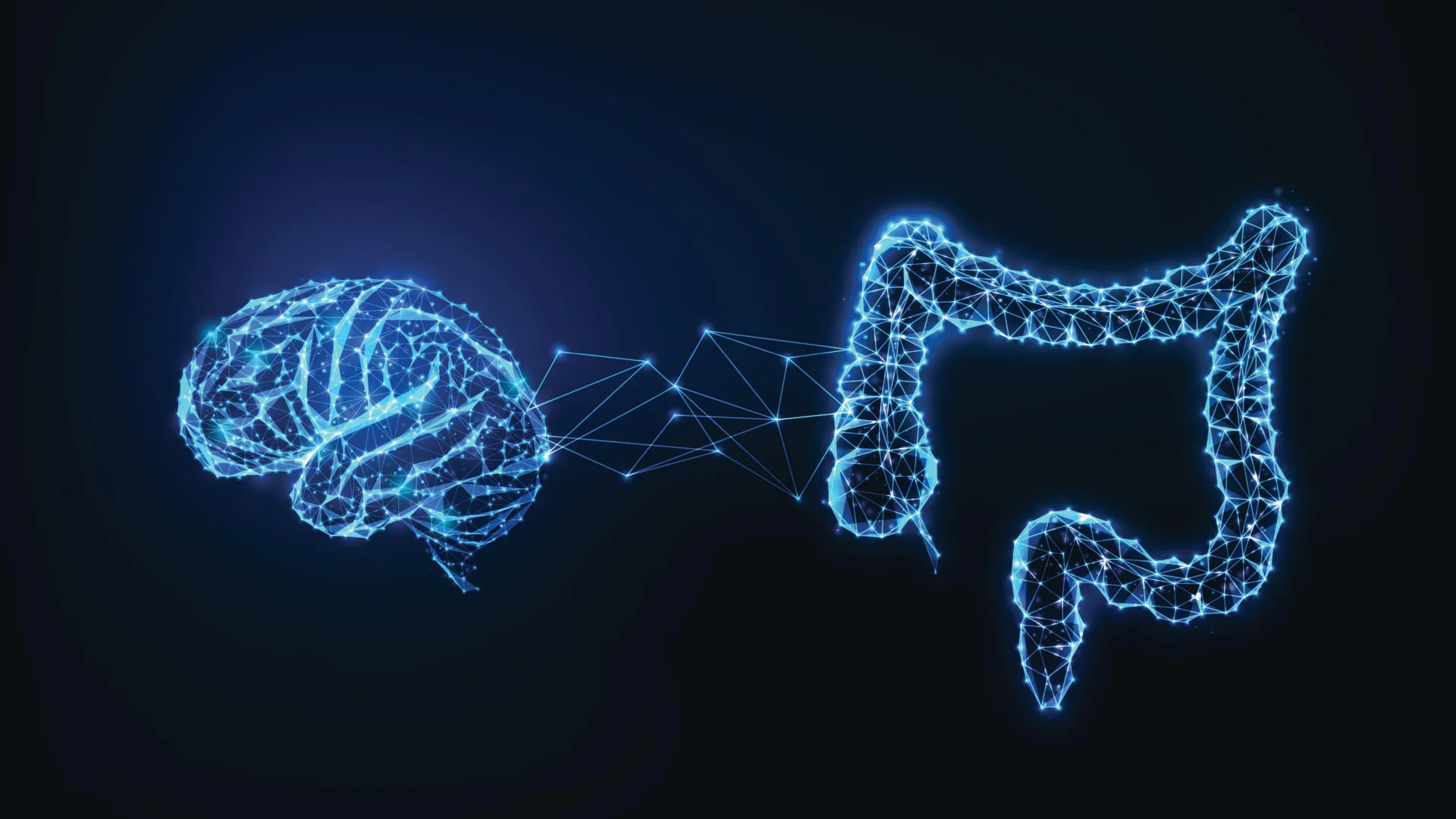
Researchers at Case Western Reserve University have unveiled a groundbreaking discovery that promises to fundamentally alter the medical community’s understanding and treatment of Amyotrophic Lateral Sclerosis (ALS) and Frontotemporal Dementia (FTD). The extensive study, published in the prestigious journal Cell Reports, identifies an unexpected yet critical player in the progression of these debilitating neurological disorders: the complex ecosystem of bacteria residing within the human gut. This finding not only sheds light on the intricate gut-brain axis but also pinpoints novel therapeutic targets, offering a beacon of hope for patients and their families.
The core of the research centers on a direct correlation established between specific microbial byproducts in the digestive system and the neurodegenerative processes observed in both ALS and FTD. Scientists have pinpointed bacterial-derived sugars, specifically inflammatory forms of glycogen, as potent triggers of immune responses that ultimately lead to the destruction of vital brain cells. Crucially, the study goes a significant step further by not only elucidating this detrimental mechanism but also identifying potential avenues to interrupt and neutralize this destructive cascade.
Understanding the Devastation of ALS and FTD
Amyotrophic Lateral Sclerosis (ALS), often referred to as Lou Gehrig’s disease, is a relentless and progressive neurodegenerative disorder that attacks motor neurons – the nerve cells responsible for controlling voluntary muscle movement. As these motor neurons degenerate, muscles weaken and atrophy, leading to progressive paralysis. The disease typically affects individuals between the ages of 40 and 70, with an average life expectancy of two to five years after diagnosis, though some individuals can live much longer. The exact prevalence of ALS is estimated to be around 2 to 3 per 100,000 people globally.
Frontotemporal Dementia (FTD) is a group of brain disorders characterized by the progressive breakdown of nerve cells in the frontal and temporal lobes of the brain. These regions are crucial for personality, behavior, language, and executive functions. As FTD progresses, individuals may experience profound changes in their personality, exhibiting apathy, disinhibition, or compulsive behaviors. Language difficulties, such as aphasia, are also common. FTD typically affects individuals at a younger age than Alzheimer’s disease, often between the ages of 45 and 65. It accounts for a significant proportion of dementia cases in younger individuals.
Despite decades of intensive research, the precise underlying causes of both ALS and FTD remain elusive. Scientists have explored a wide spectrum of potential contributing factors, including genetic predispositions, environmental exposures, a history of brain injuries, and dietary influences. However, the intricate interplay of these elements has made it challenging to pinpoint definitive causes or develop universally effective treatments.
Unraveling the Gut-Brain Mechanism: A New Paradigm for Disease Risk
The pivotal study from Case Western Reserve University provides a compelling answer to a long-standing question in neurology: why do some individuals, particularly those with certain genetic predispositions, develop ALS or FTD, while others with similar genetic markers do not? The research meticulously details a molecular pathway that unequivocally links the activity within the gut microbiome to the observed brain damage, with a particular emphasis on individuals carrying specific genetic mutations known to increase their risk for these diseases.
"We discovered that certain detrimental gut bacteria synthesize inflammatory variants of glycogen, a common storage form of glucose," explained Dr. Aaron Burberry, an assistant professor in the Department of Pathology at the Case Western Reserve School of Medicine and a lead author on the study. "These bacterial-derived sugars then act as potent stimuli, igniting immune responses that, unfortunately, result in the direct damage and death of neurons within the brain."
The study’s findings are particularly striking when examining patient data. Among the cohort of 23 individuals diagnosed with ALS or FTD who were part of the study, an overwhelming 70% exhibited elevated levels of this specific harmful bacterial glycogen. In stark contrast, when compared to a control group of individuals without these neurological diseases, only approximately one-third of the healthy participants showed similar elevated levels. This significant disparity strongly suggests a causal role for these bacterial sugars in the disease pathology.
Novel Treatment Targets and Renewed Hope for Patients
The implications of this discovery for clinical practice are profound and immediate. By definitively identifying harmful gut-derived sugars as a significant driver of neurodegeneration in ALS and FTD, researchers have now established clear and actionable targets for the development of novel therapeutic interventions. Furthermore, the study highlights the potential for these bacterial sugars to serve as valuable biomarkers, enabling clinicians to more accurately identify individuals who are at higher risk or who would likely benefit most from therapies specifically aimed at modulating gut health.
The findings pave the way for innovative treatment strategies that focus on disrupting the production or activity of these damaging sugars within the digestive system. This could involve the development of agents that specifically break down inflammatory glycogen or inhibit its production by targeted gut bacteria. Additionally, the research strongly supports the advancement of pharmacological interventions designed to directly target the intricate communication pathways between the gut and the brain, offering a promising avenue for slowing or potentially even preventing the relentless progression of these devastating diseases.
Dr. Alex Rodriguez-Palacios, an assistant professor in the Digestive Health Research Institute at the School of Medicine and another key figure in the research, expressed optimism about the experimental outcomes. "In our laboratory experiments, we were successful in reducing the levels of these harmful bacterial sugars. The results were highly encouraging, demonstrating a tangible improvement in brain health markers and, significantly, an extension of lifespan in our models," Dr. Rodriguez-Palacios stated. This experimental success provides a strong foundation for translating these findings into human clinical trials.
The Genetic Predisposition: How Gut Bacteria Influence Disease Onset
This groundbreaking research holds particular significance for individuals carrying the C9orf72 mutation, which is recognized as the most common genetic culprit behind both familial and sporadic forms of ALS and FTD. It has long been a perplexing observation that not everyone who inherits this mutation goes on to develop these diseases. The Case Western Reserve University study offers a compelling explanation for this variability, positing that gut bacteria act as a critical environmental trigger, influencing whether the disease manifests in genetically susceptible individuals.
The findings suggest that for individuals with the C9orf72 mutation, the presence and activity of specific gut bacteria, and their subsequent production of inflammatory glycogen, may be the crucial factor that tips the balance towards disease onset. This introduces a dynamic interplay between genetic vulnerability and environmental influences, moving beyond a purely genetic determinism for these complex conditions. This understanding could lead to personalized risk assessments and preventative strategies tailored to individuals with this common genetic mutation.
Innovative Research Methodologies Pave the Way for Breakthrough
The scientific rigor and innovative nature of the research were underpinned by the advanced laboratory methodologies employed at Case Western Reserve University’s Department of Pathology and Digestive Health Research Institute. A cornerstone of the study was the utilization of germ-free mouse models. These unique animals are raised under completely sterile conditions, devoid of any microbial life. This meticulously controlled environment allows researchers to isolate and meticulously study the specific effects of introducing particular bacteria or their byproducts on disease development and progression, free from the confounding influences of a naturally occurring microbiome.
The entire research initiative is spearheaded by Dr. Fabio Cominelli, a Distinguished University Professor and the esteemed director of the Digestive Health Research Institute. A critical element enabling this large-scale microbiome research is an innovative "cage-in-cage" sterile housing system. This sophisticated setup, developed by Dr. Rodriguez-Palacios, represents a rare and invaluable capability within the scientific community, allowing for unprecedented large-scale investigations into the microbiome’s complex functions. Traditional methods often restrict researchers to studying only a limited number of animals at any given time, significantly hindering comprehensive analysis of the microbiome’s intricate communication networks.
This specialized infrastructure has made it possible to systematically investigate how the gut and the brain interact and influence each other in the context of disease. The ability to conduct large-scale microbiome studies is a game-changer, offering a far more nuanced and comprehensive understanding of the gut-brain axis than previously achievable.
Future Directions: Clinical Trials on the Horizon
Looking ahead, the research team is focused on expanding their understanding of the factors that contribute to the production of harmful microbial glycogen. "Our next crucial step involves conducting larger-scale studies to survey the gut microbiome communities in ALS/FTD patients both before and after the onset of their disease," Dr. Burberry elaborated. This longitudinal approach will provide invaluable insights into the temporal dynamics of microbial changes and their relationship to disease progression.
The findings from the current study strongly support the initiation of clinical trials designed to assess the therapeutic potential of targeting glycogen degradation in ALS/FTD patients. "We believe that clinical trials aimed at determining whether reducing glycogen levels in the digestive system can indeed slow disease progression are now strongly supported by our findings," Dr. Burberry stated. "We are optimistic that such trials could commence within the next year, marking a significant step towards translating these laboratory discoveries into tangible benefits for patients." The potential for a treatment that targets the gut to impact brain health in these devastating diseases represents a paradigm shift in neurological medicine.
The broader implications of this research extend beyond ALS and FTD, potentially influencing our understanding of other neurodegenerative conditions and even systemic inflammatory diseases where the gut microbiome has been implicated. The identification of a concrete molecular mechanism linking gut bacteria to brain damage opens new avenues for investigation into a wide array of health conditions, solidifying the gut microbiome’s central role in overall human health and disease.

0 Comments