
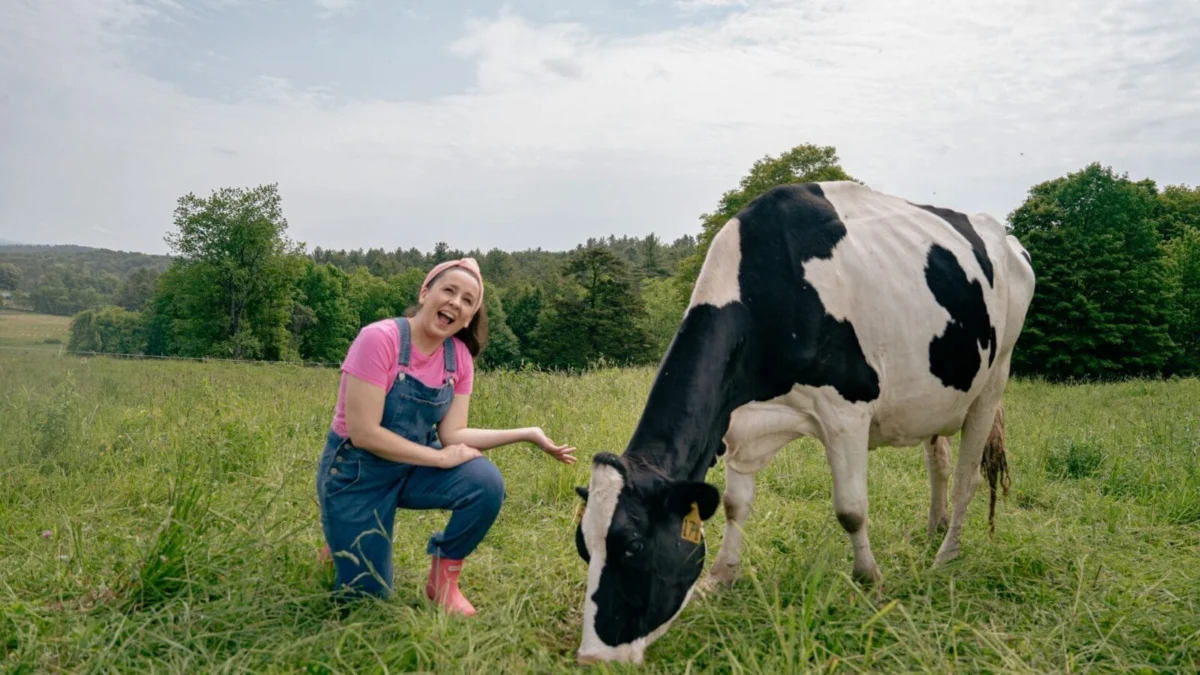
The universally beloved children’s educator, Ms. Rachel, renowned for her engaging and developmentally appropriate online content, is leveraging her significant platform to confront a deeply personal and pervasive societal issue: childhood food insecurity. Her advocacy is rooted in a lived experience of financial hardship during her own childhood, a background that now fuels her impassioned commitment to ensuring every child has access to essential nutrition and support. This commitment culminates in strategic partnerships with leading hunger relief organizations and a candid dialogue about the systemic challenges facing millions of families.

The Personal Genesis of a Public Mission

Ms. Rachel’s journey into advocacy is inextricably linked to her formative years, a period marked by economic struggle and a single mother’s relentless efforts to provide. She vividly recalls the “Walmart sneakers” – a poignant symbol of her family’s financial constraints that often subjected her to teasing. Her mother, a tireless figure, balanced a weekday job at a daycare, weekend shifts at Pizza Hut, and evening classes, exemplifying the immense sacrifices many single parents make. This firsthand understanding of scarcity instilled in Ms. Rachel a profound empathy for children growing up in similar circumstances.

This empathy was crystallized by a fundamental question she posed as a child: “Why don’t kids have all the food they need? Like, is there not enough food?” Decades later, the bewilderment in her voice remains palpable, echoing the simple yet profound injustice of childhood hunger. It is a question that her own seven-year-old son, Thomas, now asks, highlighting the tragic persistence of this issue across generations, even in one of the world’s most affluent nations. For Ms. Rachel, the ability to act on this enduring question has transformed her role from educator to advocate, driven by the conviction that every child deserves to thrive.

The Stark Reality of Childhood Food Insecurity in America

The issue Ms. Rachel champions is not merely anecdotal; it represents a widespread crisis affecting a significant portion of American youth. According to recent data from the U.S. Department of Agriculture (USDA), over 10% of U.S. households experienced food insecurity in 2022, with a disproportionately higher rate among households with children. This translates to millions of children facing inconsistent access to adequate food, impacting their health, development, and educational outcomes. The situation is particularly dire for marginalized communities and single-parent households, where food insecurity rates often climb higher.

A critical lifeline for many of these families is the Supplemental Nutrition Assistance Program (SNAP), formerly known as food stamps. As Ms. Rachel points out, approximately 1 in 5 children in the United States currently relies on SNAP benefits. This federal program provides crucial financial assistance to low-income individuals and families, allowing them to purchase nutritious food. Research consistently demonstrates SNAP’s effectiveness in reducing poverty and food insecurity, particularly among children, leading to improved health outcomes, better academic performance, and long-term economic stability. Children in households receiving SNAP benefits are less likely to be underweight, experience developmental delays, or suffer from poor health.

However, these vital benefits are frequently under threat. Policy debates often revolve around eligibility requirements, benefit levels, and overall program funding. Proposals for stricter work requirements, benefit caps, or reduced federal allocations for SNAP have periodically emerged in legislative discussions, often citing budget concerns or a desire to promote self-sufficiency. Critics of such proposals, including child welfare advocates and public health experts, argue that cutting or restricting SNAP benefits would severely exacerbate food insecurity, pushing more families and children into deeper poverty and hunger, with devastating long-term societal costs. The timing of Ms. Rachel’s advocacy is therefore critical, as the ongoing discourse surrounding federal budgets and social safety nets makes programs like SNAP vulnerable.

The Intersecting Crisis of Childcare Costs

Beyond the direct threat to SNAP, Ms. Rachel highlights another compounding factor: the escalating cost and scarcity of affordable, high-quality childcare. This issue, frequently raised by parents in her vast online community, places immense pressure on household budgets. Data from organizations like Child Care Aware of America reveal that childcare costs in many states exceed housing expenses or college tuition, consuming a substantial portion of family income. For instance, in some states, infant care can cost upwards of $15,000 to $20,000 annually.

This financial strain often forces parents, particularly mothers, to make impossible choices. They may be compelled to leave the workforce entirely, reducing household income, or opt for cheaper, lower-quality childcare options. The ripple effect on food security is immediate: if a significant portion of income is allocated to childcare, healthy food becomes an unaffordable luxury. Families are then forced to compromise on nutritional quality, opting for less expensive, often processed, foods that lack essential nutrients crucial for a child’s brain development and overall health. This creates a vicious cycle where economic precarity undermines children’s foundational well-being.

A Strategic Partnership for Children’s Well-being

Recognizing the multifaceted nature of these challenges, Ms. Rachel has moved beyond simply raising awareness, forging strategic alliances designed to deliver tangible support. In April [year, likely 2025 based on the article’s 2026 update date], she partnered with Stonyfield Organic to launch the "O is for Organic" program. This initiative underscores a shared mission of promoting children’s health and well-being through access to nutritious food. As part of this partnership, Stonyfield Organic made a significant $200,000 donation to two organizations meticulously chosen by Ms. Rachel for their impactful work: Room to Grow and No Kid Hungry.

Room to Grow: Nurturing Early Development

Ms. Rachel’s selection of Room to Grow reflects her deep expertise in early childhood education, holding a master’s degree in the field and boasting two decades of experience working with young children. She understands that the period from pregnancy through age three is a critical window for brain development, making comprehensive support during this time paramount. Room to Grow’s model is uniquely designed to address the holistic needs of families with newborns and toddlers living in poverty. They provide essential baby items, including clothing, toys, and equipment, through a "free shop" model, allowing parents to select what they need. Crucially, they also connect families with vital resources such as healthcare services, housing assistance, and critically, SNAP benefits.

The partnership with Stonyfield Organic further bolstered Room to Grow’s capacity, with the donation of two refrigerators stocked with Stonyfield Organic yogurt. This contribution provided nutritious food options for an estimated 1,200 families, offering a consistent source of protein and calcium for growing children. Ms. Rachel’s involvement highlights the broader community aspect of these challenges, noting that many mothers feel they "don’t have a village." She views organizations like Room to Grow as providing that much-needed support system, a "beautiful" village that helps struggling families navigate complex systems and access necessities.

No Kid Hungry: Fighting Systemic Hunger

The second beneficiary, No Kid Hungry, directly addresses the issue that has haunted Ms. Rachel since childhood: widespread childhood hunger. This national campaign works to end childhood hunger in America by ensuring all children get the healthy food they need, every day. They achieve this through a combination of advocacy for stronger federal nutrition programs, grants to local organizations, and public awareness campaigns. In the context of potentially reduced SNAP funding, No Kid Hungry’s work becomes even more critical, acting as a crucial safety net for vulnerable families.

Ms. Rachel emphasizes the profound impact of hunger on a child’s development, stating, "No child should be hungry and it really affects development and learning. Kids need those nutrients and the brain development is so crucial when you’re a child." This aligns with extensive research showing that consistent access to nutritious food is fundamental for cognitive function, emotional regulation, and physical growth. Children who experience food insecurity are more likely to struggle academically, exhibit behavioral issues, and face chronic health problems. The synergy between Stonyfield’s commitment to organic nutrition and Ms. Rachel’s personal connection to the issue underscores a powerful, unified front against childhood hunger.

Destigmatizing the Need for Assistance

A cornerstone of Ms. Rachel’s advocacy is her resolute effort to destigmatize the use of public assistance programs like SNAP. She candidly shares her own family’s struggles, stating, "So many more people than we think are using [SNAP] and there’s nothing to be ashamed of. I struggled as a kid to afford things." This open acknowledgment, coming from a public figure with immense reach, is powerful. It challenges the harmful narratives that often shame individuals for needing help, fostering an environment where seeking support is viewed not as a failure, but as a necessary step towards stability and well-being.

Her personal experience with "safety nets" like PBS (public broadcasting service) and access to healthcare further reinforces her belief in universal rights. For many low-income families, PBS Kids provides free educational content, serving as an invaluable resource when affordable childcare or other educational opportunities are out of reach. Similarly, access to healthcare, regardless of income, is fundamental for preventive care and addressing health issues that can derail a child’s development and a family’s financial stability. Ms. Rachel’s advocacy for these interconnected systems underscores a holistic vision of child welfare, where basic needs are seen as fundamental rights.

Nurturing Empathy: Educating the Next Generation

Ms. Rachel’s commitment extends to how she raises her own son, Thomas, fostering in him an understanding of inequality and the importance of service. She navigates these complex conversations with remarkable honesty and wisdom, drawing inspiration from experts like Dr. Becky Kennedy and her personal hero, Mr. Rogers. Her approach is to be truthful while providing age-appropriate information, avoiding overwhelming a child with details they are not developmentally ready to process. "You don’t have to tell kids in detail what happened if they’re not developmentally ready for that," she advises.

Instead, she focuses on the message of "helpers," a central theme in Mr. Rogers’ philosophy, emphasizing that "love is stronger than anything else." This translates into practical actions, such as Thomas helping select toys for homeless children in their city. He understands that his mother’s extensive work is driven by a deep passion for "helping kids in need." Ms. Rachel openly shares her emotions with Thomas, explaining that her tears stem from a profound love for all children and a desire for every child to "thrive." This transparent and empathetic approach allows Thomas, at just seven years old, to engage with societal problems and actively seek solutions, internalizing the principle that every child deserves to have their needs met.

For her own mental health, Ms. Rachel intentionally focuses on the "helpers" – the countless individuals and organizations working tirelessly to effect positive change. This deliberate choice allows her to remain grounded and resilient in the face of daunting challenges, reinforcing the message she imparts to Thomas: while problems exist, there are also abundant forces dedicated to fixing them.

Conclusion: A Collective Call to Action

In a nation boasting immense wealth and resources, the persistence of childhood hunger remains a profound moral and societal failing. Ms. Rachel’s journey, from a child teased for her "Walmart sneakers" to a global children’s advocate, serves as a powerful reminder of the human cost of systemic inequalities. Her unique ability to connect with millions of families positions her as a vital voice in this ongoing struggle.

Through her candid storytelling, strategic partnerships, and unwavering advocacy, Ms. Rachel is not only providing direct support to families but also cultivating a culture of empathy and understanding. She is normalizing the experience of struggle, destigmatizing the need for assistance, and rallying support for essential social safety nets like SNAP and accessible childcare. Her message is clear and urgent: families are not alone in their struggles, there is no shame in seeking help, and a collective effort is required to ensure that every child has the fundamental resources needed to flourish. As she aptly concludes, "There’s so many people who are working to change things," and now, with her amplified voice and dedicated action, Ms. Rachel stands firmly among them, a beacon of hope and a catalyst for change.

0 Comments