
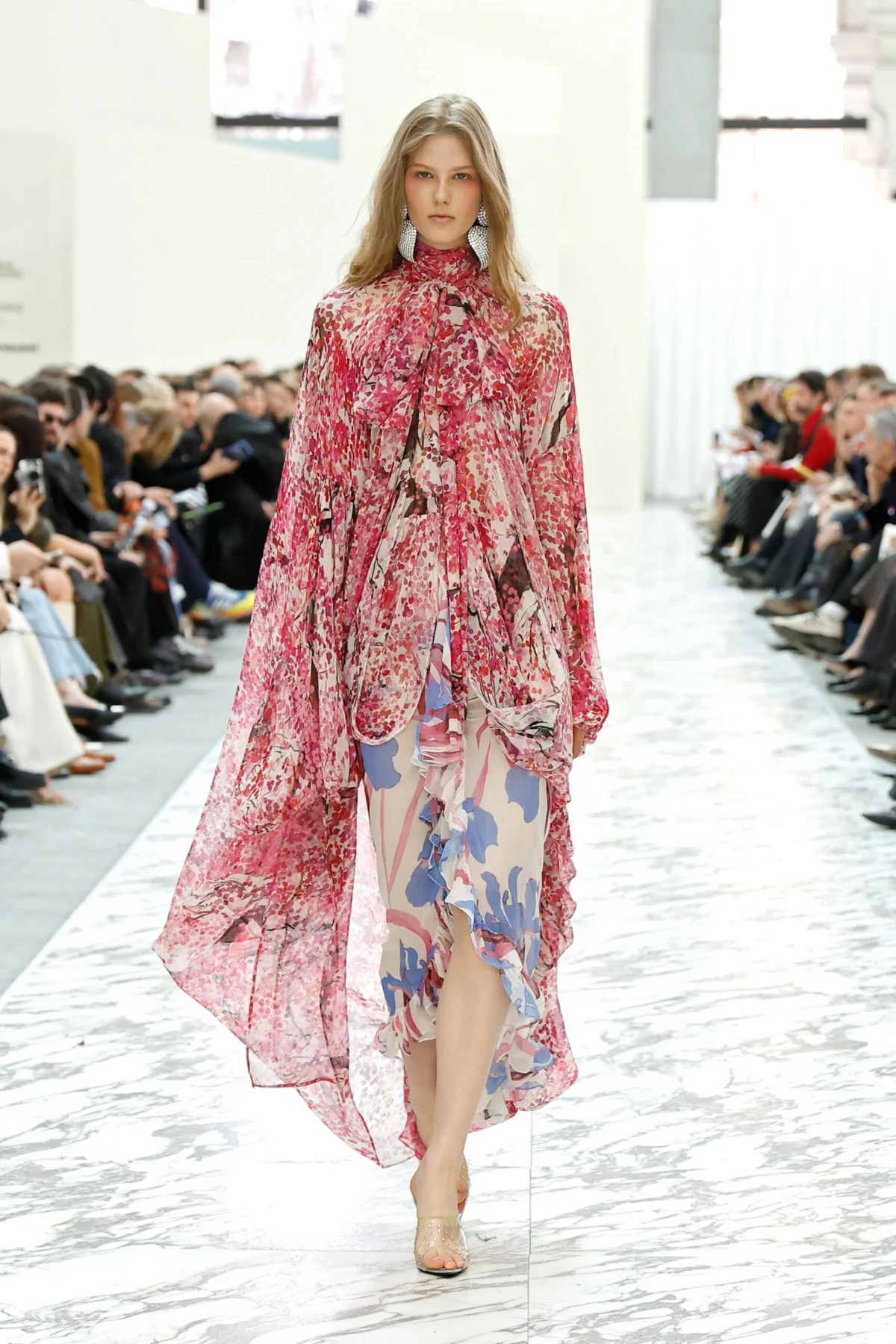
The Spanish fashion landscape has witnessed a significant cultural intersection with the debut of "Edén," the latest collection from acclaimed designer Juan Vidal. Presented as a meditative exploration of geographical and spiritual boundaries, the collection draws its primary inspiration from a transformative 72-hour journey to Istanbul, Turkey. Vidal’s work, long characterized by a synthesis of provocative sensuality and intellectual depth, seeks to bridge the gap between seemingly disparate worlds—the historical East and the modern West. By utilizing the concept of "union," the designer has articulated a vision where traditional craftsmanship meets contemporary silhouettes, creating a narrative of "accumulation" and "memory" that resonates through each garment.
The Istanbul Catalyst: A Chronology of Inspiration
The genesis of the Edén collection can be traced back to a specific three-day period during which Vidal immersed himself in the sensory environment of Istanbul. According to the designer, the collection was not merely the result of a vacation but a concentrated study of the city’s unique position as a bridge between continents. The pivotal moment for the creative direction occurred within the confines of an antique shop, where Vidal encountered a series of vintage embroidered blankets. These objects, characterized by their weight, texture, and the visible labor of past artisans, served as the conceptual anchor for the entire seasonal line.
Vidal noted that these blankets represented more than just textiles; they were vessels of domestic history and cultural memory. This realization prompted a shift in his design process, moving toward a philosophy of "accumulation." This approach involves layering fabrics, textures, and prints to mimic the way history layers itself within a city like Istanbul. The timeline from this initial discovery to the final runway presentation involved months of technical development, as Vidal’s team sought to translate the heavy, tactile nature of antique embroidery into the fluid, wearable luxury that defines the brand’s commercial identity.
Design Architecture and Visual Language
The Edén collection is defined by a sophisticated play on proportions and a vibrant, yet controlled, color palette. Vidal has moved away from the stark minimalism that often dominates modern European runways, opting instead for a rich spectrum of reds, pinks, blues, and greens. These colors are not used in isolation but are frequently juxtaposed to create a sense of visual depth and movement. The use of "unexpected print combinations" is a hallmark of this collection, where traditional floral motifs are layered against geometric stripes, reflecting the architectural and decorative contrasts found in Ottoman design.
Technically, the collection emphasizes three-dimensionality. Vidal has integrated ruffles, twists, and intricate draping techniques to provide the garments with a soft, sculptural quality. The silhouettes remain fluid, prioritizing the natural movement of the body while maintaining an air of structured elegance. This balance is achieved through the strategic use of silk, chiffon, and heavier brocades that echo the "blanket" inspiration without sacrificing the "seduction" that is central to Vidal’s brand DNA. The layering of pieces—such as lightweight coats over sheer dresses—further reinforces the theme of "accumulation," allowing for a versatile wardrobe that transitions between different levels of formality.
Background: Juan Vidal and the Spanish Fashion Industry
To understand the impact of the Edén collection, it is necessary to examine Juan Vidal’s standing within the Spanish fashion ecosystem. Born in Elda, Alicante, into a family with a long tradition in tailoring, Vidal has become one of the most prominent figures in the Mercedes-Benz Fashion Week Madrid (MBFWM). His career has been marked by numerous accolades, including the "Who’s On Next" award from Vogue Spain and the National Fashion Design Award.
Vidal’s aesthetic has historically been described as "spiritual sensuality." He often explores the psychological states of the women he dresses, naming his collections after female archetypes or specific emotional concepts. Edén represents an evolution of this trajectory, moving from the individual psyche to a broader cultural dialogue. In the context of the Spanish fashion industry, which contributes approximately 2.8% to the national GDP, Vidal represents the "Prêt-à-Couture" segment—brands that offer high-end, designer-led garments with a focus on artisanal quality rather than mass-market trends.
Technical Analysis of Craftsmanship and Materiality
The emphasis on craftsmanship in Edén aligns with a broader global trend toward "slow fashion" and the preservation of heritage techniques. By referencing the embroidered blankets of Istanbul, Vidal highlights the importance of the "hand-made" in an era of digital reproduction. The collection utilizes complex embroidery patterns that require significant manual labor, a move that supports the specialized workshops within Spain that the designer frequently collaborates with.
Data from the Spanish Association of Fashion Designers (ACME) indicates a growing consumer interest in garments with "provenance"—a story or a historical connection. Vidal’s Edén taps into this market by positioning each piece as a repository of memory. The use of "proportion-play" is not merely aesthetic; it is a technical response to the challenge of making heavy, traditional motifs feel light and modern. The ruffles and twists are meticulously placed to alter the garment’s silhouette as the wearer moves, a technique that requires precise pattern-cutting and a deep understanding of textile physics.
Industry Reactions and Market Implications
The reception of the Edén collection among fashion critics and industry stakeholders has been largely positive, with many noting Vidal’s ability to handle cultural references with sensitivity rather than appropriation. By focusing on the "union" of worlds, Vidal avoids the pitfalls of exoticism, instead presenting a collection that feels like a genuine dialogue between his Spanish roots and his Turkish inspiration.
From a commercial perspective, the Edén collection is strategically positioned to appeal to an international market. The "East meets West" aesthetic has historically performed well in both European and Middle Eastern markets, the latter of which remains a significant growth area for luxury fashion. According to recent market reports, the luxury goods sector in the Middle East is expected to grow by 8-10% annually through 2027. Vidal’s integration of Istanbul-inspired elements provides a cultural touchpoint that could facilitate further expansion into these regions.
Furthermore, the collection’s focus on "layered pieces" offers functional versatility, a trait increasingly valued by luxury consumers who seek "investment pieces" that can be styled in multiple ways. The interplay of reds and greens, while bold, remains grounded in a palette that is commercially viable across different seasons.
Broader Cultural and Economic Impact
The debut of Edén at a major fashion forum like MBFWM underscores the role of fashion as a tool for cultural diplomacy. By centering a collection on the craftsmanship of Istanbul, Vidal fosters a sense of cross-cultural appreciation. This is particularly relevant in the current geopolitical climate, where fashion often serves as a bridge between different social and cultural identities.
Economically, the success of designers like Juan Vidal is crucial for the "Made in Spain" brand. The Spanish fashion sector exports billions of euros worth of goods annually, and high-profile collections that receive international press coverage help to elevate the perception of Spanish design. The focus on "memory held within objects" also aligns with the sustainability movement, as it encourages consumers to view clothing as durable goods with emotional value rather than disposable commodities.
Conclusion: The Legacy of Edén
Juan Vidal’s Edén collection stands as a testament to the power of travel and the enduring relevance of traditional craftsmanship in the modern world. By distilling the essence of a 72-hour trip to Istanbul into a cohesive sartorial narrative, Vidal has demonstrated that fashion can be both a personal expression and a cultural bridge. The collection’s blend of fluid silhouettes, rich colors, and intricate textures provides a blueprint for how modern designers can honor the past while looking toward the future.
As the fashion industry continues to navigate the complexities of global trade and cultural exchange, collections like Edén serve as a reminder that at the heart of the industry lies the human element—the "memory" of the artisan and the "union" of ideas. For Juan Vidal, Edén is not just a seasonal offering; it is a continuation of his quest to explore the intersections of beauty, history, and the human form. The collection will likely influence future trends in the Spanish market, reinforcing the importance of storytelling and artisanal integrity in high-end design. Through Edén, Vidal has successfully mapped a new territory where the antique and the avant-garde coexist in a delicate, seductive balance.

0 Comments