
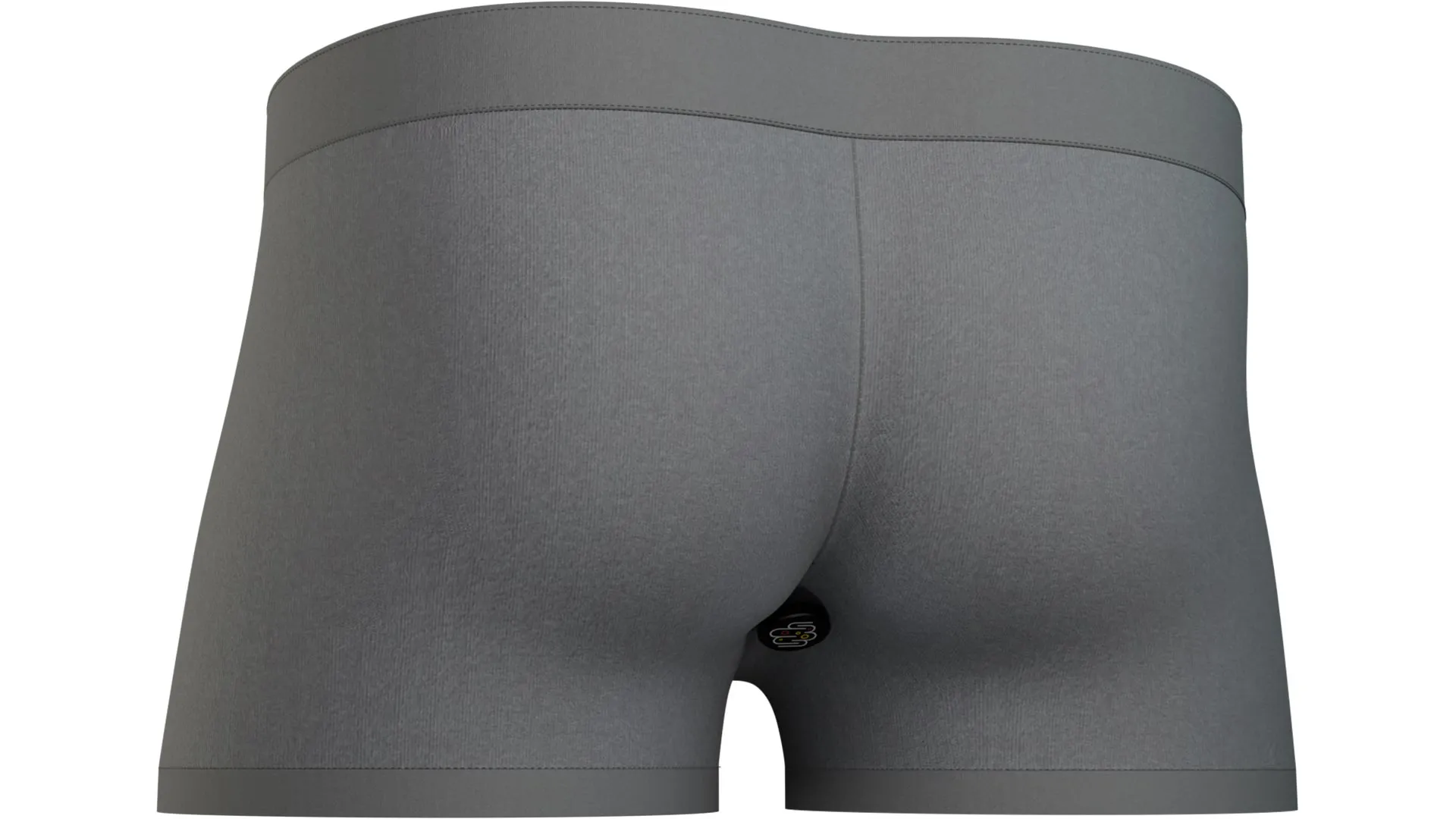
Researchers at the University of Maryland have unveiled a groundbreaking wearable device, dubbed "Smart Underwear," poised to revolutionize the study of human flatulence and gut microbial metabolism. This innovative technology, the first of its kind specifically designed to measure intestinal gas, employs a discreet sensor to track hydrogen levels in flatus. By providing objective, real-time data, Smart Underwear challenges long-held assumptions about the frequency of gas production and opens new avenues for understanding the intricate workings of the human gut during everyday life. The development marks a significant leap forward in a field historically hampered by subjective reporting and limited diagnostic tools.
A Long-Standing Diagnostic Challenge
For decades, the medical community has grappled with the inherent difficulties in objectively assessing patients who report issues related to intestinal gas. The subjective nature of symptoms, coupled with the lack of reliable measurement tools, has made it challenging for gastroenterologists to accurately diagnose and treat conditions associated with excessive or problematic flatulence. As far back as 2000, Dr. Michael Levitt, a highly respected figure in gastroenterology often referred to as the "King of Farts," articulated this diagnostic void. In his seminal writings, he noted the "virtually impossible" task for physicians to "objectively document the existence of excessive gas using currently available tests." This sentiment underscores the critical need for a technological solution that transcends the limitations of self-reporting and invasive, laboratory-bound studies.
The Genesis of Smart Underwear
The impetus behind the creation of Smart Underwear stems directly from this diagnostic impasse. A dedicated research team at the University of Maryland, spearheaded by Brantley Hall, an assistant professor in the Department of Cell Biology and Molecular Genetics, embarked on developing a novel solution. Their objective was to engineer a device that could seamlessly integrate into a person’s daily life while capturing crucial physiological data. The result is a compact, wearable sensor that attaches discreetly to conventional underwear. This unassuming device houses sophisticated electrochemical sensors meticulously calibrated to continuously monitor the production of intestinal gas, operating unobtrusively throughout both waking hours and sleep.
Unveiling the Data: Frequency of Flatulence Re-evaluated
The efficacy and potential of Smart Underwear were rigorously tested in a groundbreaking study published in the esteemed journal Biosensors and Bioelectronics: X. This research, led by UMD assistant research scientist Santiago Botasini, involved a cohort of healthy adult participants. The findings presented a significant revision to previously accepted figures regarding the frequency of human flatulence. On average, participants in the study produced flatus an astonishing 32 times per day. This figure is nearly double the often-cited average of 14 (±6) daily events found in older medical literature.
Crucially, the study highlighted the substantial individual variability in gas production. The recorded daily totals ranged dramatically, from a low of just four flatus events to an impressive 59. This wide spectrum of results suggests that earlier estimates, likely derived from less precise methodologies, may have underestimated the true prevalence of flatulence.
Methodological Shifts: Why Older Estimates Fell Short
The disparity between the new findings and historical data can be attributed to significant methodological advancements. Previous studies often relied on less accurate techniques, such as invasive measurement protocols conducted in controlled laboratory settings with small participant groups, or entirely on self-reported data. Both of these approaches are inherently prone to inaccuracies. Invasive methods can be uncomfortable and may not reflect normal physiological processes, while self-reporting is susceptible to memory lapses, social desirability bias, and the inability to capture events that occur during sleep. Furthermore, individual differences in visceral sensitivity, the perception of internal bodily sensations, can lead to vastly different interpretations of similar physiological outputs. Two individuals might produce equivalent amounts of gas, yet one may perceive it as excessive while the other notices little.
"Objective measurement gives us an opportunity to increase scientific rigor in an area that’s been difficult to study," stated Professor Hall, the senior author of the study. This sentiment encapsulates the transformative power of the Smart Underwear technology, promising to bring a new level of scientific precision to the study of a ubiquitous yet poorly understood bodily function.
Hydrogen as a Biomarker for Gut Microbial Activity
The fundamental composition of flatus in most individuals includes hydrogen, carbon dioxide, and nitrogen. In some, methane is also present. The key to Smart Underwear’s diagnostic power lies in its ability to track hydrogen. This gas is produced exclusively by the vast community of microbes residing in the human gut, collectively known as the gut microbiome. Therefore, continuous monitoring of hydrogen levels in flatus serves as a direct and real-time indicator of microbial fermentation activity – the process by which gut bacteria break down food components, particularly complex carbohydrates.
Professor Hall drew a compelling analogy, likening the Smart Underwear device to a "continuous glucose monitor, but for intestinal gas." This analogy effectively communicates the device’s capacity for ongoing, non-invasive assessment. The research demonstrated the sensor’s sensitivity, successfully detecting increased hydrogen production following the consumption of inulin, a prebiotic fiber known to stimulate gut microbial activity. The device achieved an impressive 94.7% sensitivity in identifying these increases, underscoring its reliability as a diagnostic tool.
The Human Flatus Atlas: Establishing a Baseline for "Normal"
A significant hurdle in understanding and treating gastrointestinal issues related to gas has been the absence of a clearly defined baseline for what constitutes "normal" flatus production. While established reference ranges exist for many physiological markers, such as blood glucose and cholesterol levels, the concept of a "normal" gas production rate has remained elusive.
"We don’t actually know what normal flatus production looks like," Professor Hall reiterated. "Without that baseline, it’s hard to know when someone’s gas production is truly excessive." This lack of a normative standard makes it challenging for clinicians to differentiate between common physiological variations and potential indicators of underlying health problems.
To bridge this critical knowledge gap, Professor Hall’s laboratory is launching an ambitious, large-scale initiative: the Human Flatus Atlas. This comprehensive study will leverage the Smart Underwear technology to meticulously track flatus patterns in hundreds of participants across the United States. Simultaneously, researchers will collect detailed information on participants’ dietary habits and the composition of their gut microbiomes. By distributing devices directly to volunteers, the project aims to facilitate participation from a diverse range of individuals in their own homes, thereby capturing a broad spectrum of typical flatus production over extended periods. The ultimate goal is to establish robust, data-driven benchmarks for normal flatus production among adults in the U.S.
Categorizing Gut Gas Producers: A Deeper Dive into Variability
To ensure the Human Flatus Atlas captures the full breadth of human variability in gas production, researchers are actively recruiting volunteers who fall into specific, pre-defined categories identified during earlier research phases. This stratified approach is designed to illuminate the diverse mechanisms underlying different gas production profiles.
-
Zen Digesters: This category comprises individuals who consume high-fiber diets, typically ranging from 25 to 38 grams of fiber daily, yet produce remarkably low volumes of flatus. Studying this group offers a unique opportunity to understand how the gut microbiome can adapt to and efficiently process diets rich in fiber without generating excessive gas. This could shed light on mechanisms of fiber fermentation efficiency and microbial ecology.
-
Hydrogen Hyperproducers: Conversely, this group includes individuals who consistently pass gas with high frequency. Examining the biological and microbial factors that contribute to this heightened gas production may reveal underlying physiological drivers or specific microbial consortia associated with increased fermentation activity.
-
Normal People: This category encompasses individuals whose flatus production falls within the expected range between the extremes of Zen Digesters and Hydrogen Hyperproducers. Their data will serve as a crucial reference point for establishing the broader normative distribution.
To further elucidate the microbial underpinnings of these distinct gas production patterns, the research team plans to collect stool samples from Zen Digesters and Hydrogen Hyperproducers. These samples will undergo advanced microbiome analysis to identify specific bacterial species, their abundance, and their metabolic capabilities.
"We’ve learned a tremendous amount about which microbes live in the gut, but less about what they’re actually doing at any given moment," Professor Hall commented. "The Human Flatus Atlas will establish objective baselines for gut microbial fermentation, which is essential groundwork for evaluating how dietary, probiotic or prebiotic interventions change microbiome activity." This research is expected to provide critical insights into the functional role of the gut microbiome and its responsiveness to various interventions, paving the way for more targeted and effective therapeutic strategies.
Implications for Gut Health and Beyond
The development of Smart Underwear and the ambitious Human Flatus Atlas project carry profound implications for a range of fields, extending far beyond the initial focus on flatulence.
Clinical Diagnostics: The ability to objectively measure intestinal gas production could lead to more accurate diagnoses of gastrointestinal disorders such as Irritable Bowel Syndrome (IBS), inflammatory bowel disease (IBD), and small intestinal bacterial overgrowth (SIBO). By providing quantitative data, Smart Underwear can help differentiate between normal physiological variations and symptoms indicative of disease, potentially reducing misdiagnoses and improving treatment efficacy.
Dietary and Nutritional Science: Understanding individual responses to different dietary components, particularly fibers and prebiotics, is crucial for personalized nutrition. Smart Underwear can provide objective feedback on how specific foods impact gut microbial fermentation, enabling individuals and healthcare professionals to tailor diets for optimal gut health and symptom management. This could revolutionize approaches to managing bloating, gas, and discomfort associated with dietary changes.
Microbiome Research: The direct correlation between hydrogen production and microbial fermentation makes Smart Underwear an invaluable tool for studying the dynamic activity of the gut microbiome. Researchers can now observe how the microbiome responds in real-time to dietary shifts, probiotic supplements, prebiotics, and even pharmacological interventions. This will accelerate our understanding of the complex interplay between diet, microbes, and host health.
Drug Development: For pharmaceutical companies developing treatments for gastrointestinal conditions, Smart Underwear offers a novel method for assessing the efficacy of new drugs. Objective measurement of gas production can provide a more reliable endpoint for clinical trials compared to subjective symptom reporting.
Personalized Health Monitoring: In the future, similar wearable technologies could empower individuals to proactively monitor their gut health, identifying potential issues before they escalate. This shift towards personalized, data-driven health management could transform preventative care.
How to Participate in the Human Flatus Atlas Study
The University of Maryland is actively seeking volunteers to contribute to the groundbreaking Human Flatus Atlas project. Individuals interested in participating can find detailed information and enrollment procedures at flatus.info. The study is open to adults aged 18 years and older residing within the United States. Selected participants will be provided with a Smart Underwear device, which they will be asked to wear continuously throughout the designated study period, both day and night. Due to the extensive data collection and the need for diverse participation, enrollment is limited, and interested parties are encouraged to apply promptly.
Intellectual Property and Future Commercialization
The pioneering technology behind Smart Underwear has been recognized for its innovation, with patent applications filed by the University of Maryland. Brantley Hall and Santiago Botasini are listed as the principal inventors. Furthermore, both researchers are co-founders of Ventoscity LLC, a startup company that has licensed the technology from the university. This strategic licensing agreement signals a clear intent to translate this scientific advancement into accessible commercial products, potentially making Smart Underwear available for broader use in clinical and consumer settings in the future.
A Foundation of Support
This significant research endeavor has been made possible through the generous support of several key institutions. Funding for the development and initial studies of Smart Underwear and the Human Flatus Atlas project has been provided by the University of Maryland, the Maryland Innovation Initiative Phase I, and the UM Ventures Medical Device Development Fund. These contributions underscore the commitment of these organizations to fostering innovative research with the potential for significant societal impact. The ongoing work promises to reshape our understanding of a fundamental aspect of human physiology and its intricate connections to overall health.

0 Comments