
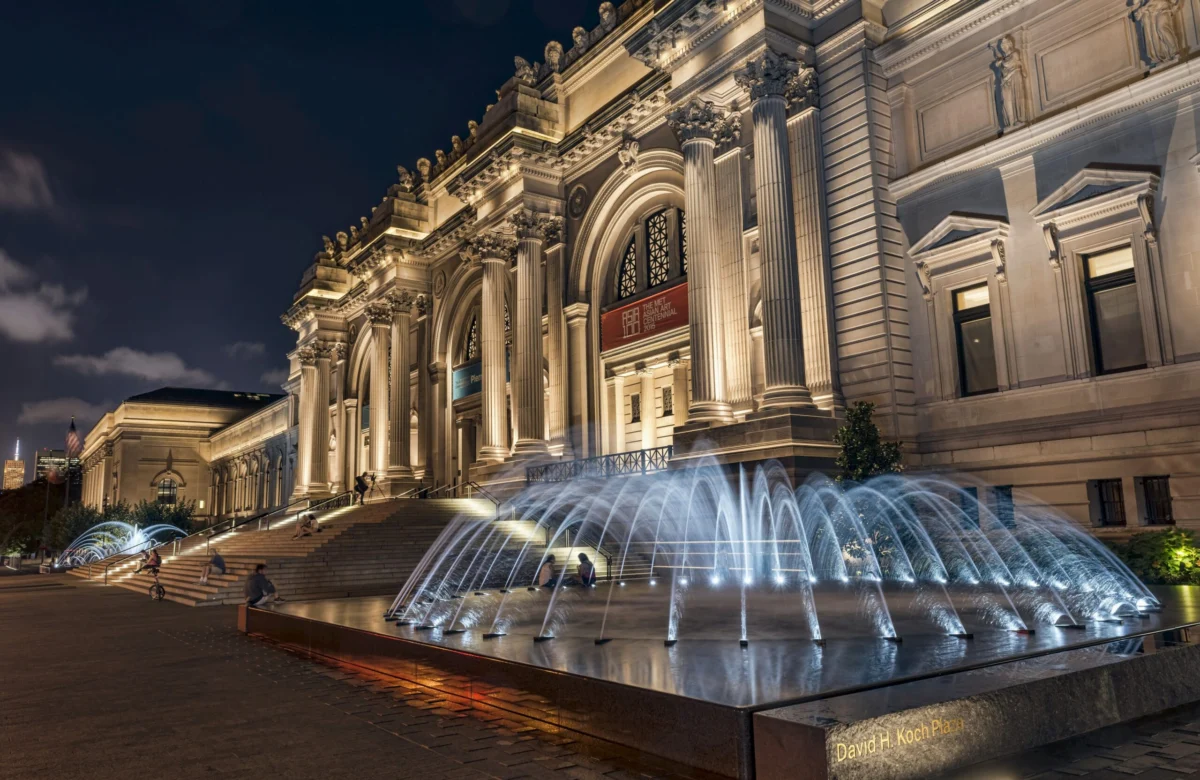
Millions of visitors annually step through the grand doors of The Metropolitan Museum of Art, each on a pilgrimage to connect with a specific work of art, a historical relic, or a timeless masterpiece. Yet, the museum itself is as rich with history and narrative as the treasures it safeguards within its expansive walls. Established in 1870 with a foundational mission to enrich the American public through art, culture, and education, The Met has, over its more than 150-year existence, ascended to become one of the world’s preeminent cultural institutions. Spanning an impressive 2.2 million square feet, this venerable art institution curates and displays millennia of global artistic expression, from the delicate brushstrokes of Impressionist masters to the robust forms of Bronze Age sculpture. Beyond its vast collections, The Met has indelibly shaped the identity of New York City, serving as a nexus where history, innovation, and artistry converge. This convergence is perhaps most vividly embodied each year at the Met Gala, an exclusive fundraising event that transforms the museum into a dazzling spectacle of high fashion and philanthropy, bolstering the vital work of the Costume Institute and underscoring The Met’s enduring influence on the artistic landscape, both past and present.
The Genesis of a Cultural Behemoth
The seeds for The Metropolitan Museum of Art were sown in 1866 by a group of Americans in Paris who envisioned a "national institution and gallery of art" to bring artistic enrichment and education to the United States. This ambitious undertaking was championed by John Jay, a lawyer who was instrumental in bringing this vision to fruition. Upon his return to America, Jay, with the support of the Union League Club of New York, galvanized a coalition of civic leaders, businessmen, artists, collectors, and philanthropists. This collective effort culminated in the incorporation of The Metropolitan Museum of Art on April 13, 1870. The museum officially opened its doors to the public shortly thereafter, with its inaugural acquisition – a Roman sarcophagus – secured in November of the same year. This marked the humble beginning of an institution that would grow to house an unparalleled collection of global art and artifacts.
A Monumental Structure: Architectural Evolution

The Metropolitan Museum of Art is not merely a repository of art; it is a magnificent architectural tapestry woven from various styles and eras. The original structure, a Ruskinian Gothic design conceived by architects Calvert Vaux and Jacob Wrey Mould, still forms a significant part of the museum, notably visible within the Robert Lehman Wing. As The Met’s collections expanded exponentially over the decades, so too did its physical footprint. A pivotal expansion came with the Beaux-Arts Fifth Avenue facade and the iconic Great Hall, designed by founding museum trustee and celebrated architect Richard Morris Hunt. This grand addition, unveiled to the public in 1902, was lauded by the Evening Post of the time as "the only public building in recent years which approaches in dignity and grandeur the museums of the old world." Subsequent expansions and renovations have continued to shape the museum, incorporating modern architectural sensibilities while respecting its historical grandeur, creating a dynamic and evolving space that mirrors the diverse collections within.
The Met Today: Scale, Scope, and Significance
Today, The Metropolitan Museum of Art stands as a titan of the cultural world. Its 2.2 million square feet house a collection that spans over 5,000 years of human creativity. From ancient Egyptian temples and classical Greek sculptures to Renaissance masterpieces and contemporary installations, the museum offers a comprehensive journey through the history of art. The institution welcomes approximately five million visitors annually, a testament to its broad appeal and cultural significance.
A Non-Profit Endeavor: Governance and Funding
The Metropolitan Museum of Art operates as a 501(c)(3) nonprofit organization, governed by a corporation comprising nearly a thousand benefactors. These patrons contribute significantly to an endowment exceeding $2 billion. The museum sustains its operations and extensive programming through a combination of annual donations, which surpass $100 million, and admission fees collected from its vast visitor base. This robust financial model ensures the preservation and exhibition of its invaluable collections, as well as its ongoing commitment to public education and cultural dissemination.

The Met Gala: A Fusion of Fashion, Philanthropy, and Art
At the heart of The Met’s annual fundraising efforts lies the Met Gala, a globally recognized event that transcends mere celebrity spectacle to become a powerful engine for cultural support. Historically held on the first Monday in May, this year’s gala is scheduled for May 4th. The event serves as the official opening of the Costume Institute’s highly anticipated spring exhibition, setting the tone and theme for attendees’ sartorial choices. This year, the exhibition is titled "Costume Art," with the corresponding gala dress code embracing the concept of "Fashion is Art."
The Met Gala traces its origins back to 1948, when American fashion publicist Eleanor Lambert established it as an intimate midnight dinner. The initial objective was to raise funds for the nascent Costume Institute, then a new department within the museum. Known at the time as the "Party of the Year," it was a sophisticated affair for New York’s high society. Over the decades, the event has undergone a dramatic transformation, evolving into the exclusive, star-studded extravaganza it is today, attracting global attention and significantly contributing to the Costume Institute’s financial stability.
The Spectacle Unveiled: Location and Participants
The Met Gala unfolds within the hallowed halls of The Metropolitan Museum of Art, a location that amplifies the event’s prestige. Following their grand ascent up the iconic museum steps, guests navigate through the magnificent Great Hall, the new Costume Institute exhibition space, and often the awe-inspiring Temple of Dendur. The co-chairs for the 2026 Met Gala are a distinguished quartet: global music icon Beyoncé, acclaimed actress Nicole Kidman, tennis legend Venus Williams, and Vogue’s formidable editor-in-chief, Anna Wintour. Their leadership ensures the event continues to attract a high caliber of attendees and generate substantial support.

Financial Impact and Broader Implications
The Met Gala’s success as a fundraiser is undeniable. Last year, the event achieved a record-breaking $31 million, the highest sum ever raised in its 77-year history. These substantial funds are crucial for the Costume Institute, enabling it to acquire new pieces, preserve its vast collection of over 33,000 garments and accessories, and present groundbreaking exhibitions that explore the intricate relationship between fashion and art.
The Met Gala’s influence extends beyond its financial contributions. It serves as a powerful platform for celebrating fashion as an art form, encouraging creative expression, and fostering dialogue about its cultural significance. The event’s annual themes often spark widespread discussion, prompting reflection on historical periods, artistic movements, and the evolving role of fashion in society. Furthermore, the gala’s global visibility shines a spotlight on The Metropolitan Museum of Art itself, encouraging greater public engagement with its diverse collections and its vital mission to preserve and present the world’s artistic heritage. The symbiotic relationship between the museum’s permanent collections and the temporary, often avant-garde, presentations of the Costume Institute, amplified by the Met Gala, solidifies its position as a dynamic and relevant cultural institution in the 21st century. The ongoing success of the Met Gala ensures that The Metropolitan Museum of Art will continue to be a beacon of art, culture, and education for generations to come.

0 Comments