
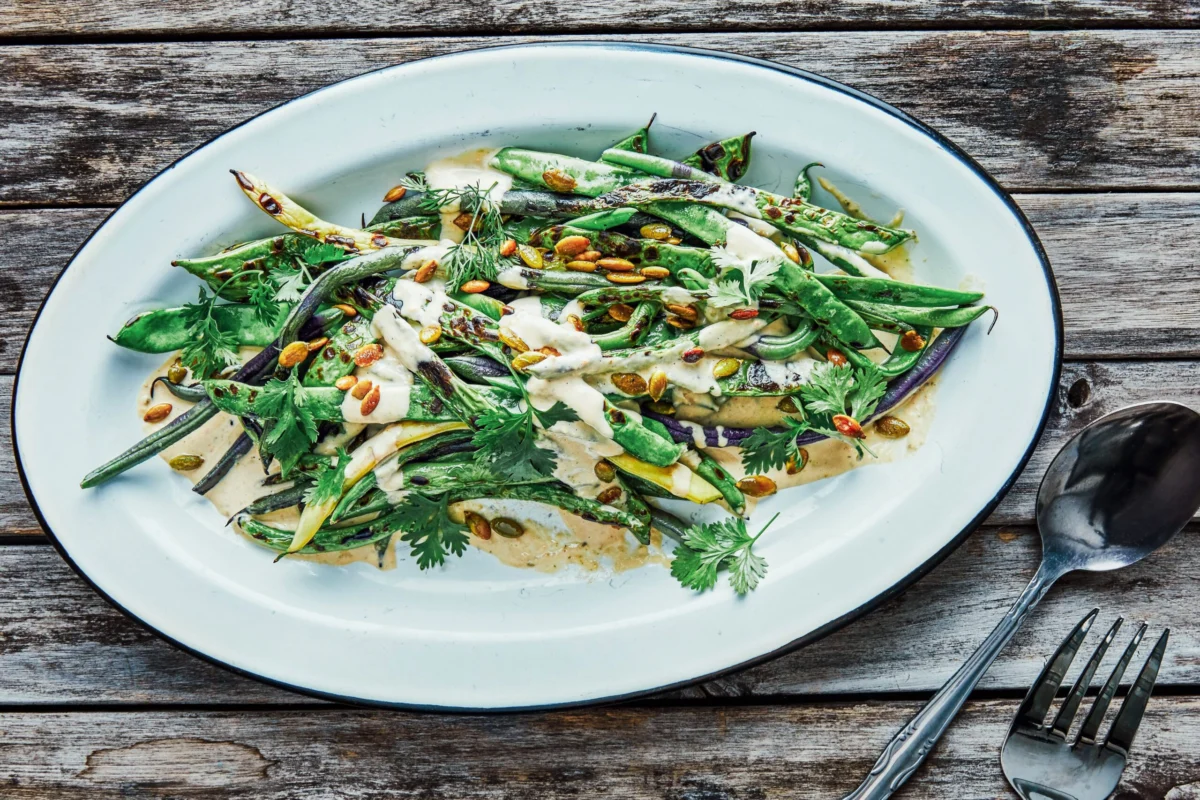
Tonnato, a classic Italian sauce steeped in tradition and celebrated for its rich, savory profile, is experiencing a renaissance in contemporary kitchens. While its historical association lies with the esteemed Piedmontese dish, vitello tonnato – thinly sliced veal topped with a creamy tuna sauce – its adaptability has propelled it beyond its origins. Today, this versatile condiment is finding its way onto a diverse array of dishes, from roasted vegetables and artisanal sandwiches to elegant deviled eggs and vibrant salads, demonstrating its enduring appeal and culinary flexibility.
The Essence of Tonnato: Tradition Meets Innovation
At its core, tonnato is an emulsified sauce derived from preserved tuna and anchovies, brightened with lemon juice, enriched with olive oil, and traditionally bound with egg yolks. Historically, the preparation involved meticulous blending to achieve a silken texture, a testament to the culinary artistry of its era. Modern iterations, however, often leverage the convenience of tinned fish, which breaks down effortlessly in food processors or blenders, streamlining the creation process without sacrificing flavor.
A popular contemporary adaptation, often favored for its accessibility, omits the egg yolks in favor of mayonnaise, introducing an added layer of creaminess and tang. The inclusion of capers, with their distinctive briny punch, further enhances the sauce’s complexity. The result is a harmonious blend of savory depth from the tuna and anchovies, a bright acidity from the lemon, and a luxurious, creamy finish. This nuanced flavor profile allows tonnato to transcend its role as a mere accompaniment, acting instead as a foundational element that elevates a multitude of ingredients.
The taste of tonnato is often likened to tuna salad, a comparison that, while understandable, falls short of capturing its full gastronomic potential. When meticulously blended, the constituent ingredients undergo a transformation, yielding a sauce that is rich yet remarkably light, intensely savory without being overpowering, and balanced by the zesty notes of lemon. The anchovies, far from dominating the palate, provide a crucial umami backbone that grounds the sauce, lending it a sophisticated depth that distinguishes it from simpler preparations. This complex interplay of flavors and textures is what fuels its growing popularity.
A Culinary Phenomenon: The Enduring Allure of Tonnato
The widespread affection for tonnato can be attributed to several factors, chief among them its inherent versatility and the deeply satisfying sensory experience it offers. The combination of creamy mayonnaise or egg yolk emulsion with the savory notes of tinned fish creates a rich, unctuous texture that is inherently appealing. The bright counterpoint of lemon juice prevents the sauce from becoming heavy or cloying, ensuring a refreshing and balanced flavor.
Furthermore, the inclusion of omega-3 fatty acids, abundant in tuna, adds a layer of perceived healthfulness to its consumption, aligning with contemporary dietary trends that prioritize nutrient-rich ingredients. This confluence of taste, texture, and nutritional benefit contributes significantly to tonnato’s status as a beloved culinary staple.

The Evolution of Tonnato: From Classic to Contemporary Applications
The journey of tonnato from its traditional role in vitello tonnato to its current widespread use reflects a broader trend in culinary arts: the reinterpretation of classic dishes and the exploration of their adaptability. While the Piedmontese veal preparation remains a benchmark, the sauce’s inherent qualities have inspired chefs and home cooks alike to explore its potential across a spectrum of culinary applications.
Historical Context and Traditional Preparation
The origins of tonnato are deeply rooted in Italian culinary history, particularly in the Piedmont region. The dish vitello tonnato, which translates to "veal with tuna," is believed to have emerged in the 18th century, though its precise origins are debated among food historians. The combination of veal and a creamy tuna sauce was a sophisticated pairing, showcasing the region’s culinary prowess and its access to quality ingredients. Traditional recipes often involved slow-cooked veal, chilled and thinly sliced, then generously dressed with the meticulously prepared tonnato sauce. This dish was, and remains, a testament to the Italian appreciation for balancing rich flavors with bright acidity.
The Modern Tonnato Landscape: A Multifaceted Condiment
In recent years, the culinary world has embraced tonnato as a highly adaptable condiment. This shift reflects a growing appreciation for the nuanced flavors of preserved fish and the desire to incorporate them into everyday cooking.
-
Roasted and Grilled Vegetables: Tonnato has proven to be an exceptional pairing for a wide range of vegetables. Its creamy richness complements the slightly charred, caramelized notes of roasted or grilled produce. As demonstrated by recipes like Charred Broccoli with Tonnato, the sauce provides a luxurious counterpoint to the vegetables’ inherent textures and flavors. Variations, such as a spicy tonnato incorporating habanero chilies and lime juice, offer a dynamic twist that enhances grilled green beans, asparagus, and other seasonal vegetables. This application highlights tonnato’s ability to elevate simple ingredients into a sophisticated side dish or appetizer.
-
Sandwich Spreads and Dips: The versatility of tonnato extends to its use as a robust sandwich spread. It adds a complex savory dimension to leftover roasted meats such as turkey breast or pork tenderloin, and can even enhance the flavor of a simple tomato sandwich. Its creamy consistency makes it an ideal accompaniment to crusty bread or toasted artisanal loaves. Furthermore, as a dip, tonnato pairs beautifully with crudités, offering a more flavorful alternative to traditional dips.
-
Egg Preparations: Tonnato has found a place in the realm of egg dishes, most notably in deviled eggs. Blending tonnato into the yolk mixture creates a uniquely savory and complex filling, transforming a familiar party appetizer into a gourmet offering. This application underscores the sauce’s ability to impart depth and richness to otherwise simple ingredients.

-
Salad Dressings and Vinaigrettes: By thinning tonnato with additional lemon juice and olive oil, a sophisticated and flavorful vinaigrette can be created. This application is particularly well-suited for salads that benefit from a creamy, umami-rich dressing, such as Niçoise salad or potato salad. The sauce’s inherent complexity adds a layer of interest that distinguishes it from standard vinaigrettes.
-
Creative Interpretations: Culinary innovators continue to explore new avenues for tonnato. Some recipes, like an anchovy-free version, cater to a broader audience while retaining the sauce’s core characteristics. Others experiment with alternative bases, such as cashew cream, to achieve a similar creamy texture with a different flavor profile, as seen in roasted squash and cauliflower dishes. These adaptations demonstrate the enduring appeal of the tonnato concept and its capacity for creative reinvention.
Data and Trends in Condiment Consumption
The rising popularity of sauces like tonnato can be contextualized within broader food trends. Data from market research firms indicates a growing consumer interest in global flavors and artisanal condiments. A 2023 report by Innova Market Insights identified "Global Flavors and Local Tastes" as a key trend, highlighting the demand for authentic and regionally inspired culinary experiences. The report also noted a surge in interest in "elevated basics," where consumers seek to enhance everyday meals with sophisticated and flavorful additions. Tonnato, with its Italian heritage and complex flavor profile, perfectly embodies these trends.
Furthermore, the emphasis on sustainable and versatile ingredients also plays a role. Tinned fish, once perceived as a budget option, is now increasingly recognized for its quality, sustainability, and long shelf life. This re-evaluation of tinned seafood has contributed to its resurgence in gourmet cooking and the increased adoption of sauces like tonnato.
Broader Impact and Culinary Implications
The expanding application of tonnato signifies a broader shift in how classic sauces are perceived and utilized. It underscores the value of versatility in the modern kitchen, where ingredients are increasingly expected to perform multiple culinary roles. The sauce’s ability to bridge the gap between traditional fine dining and everyday cooking makes it an invaluable asset for both professional chefs and home cooks.
The reimagining of tonnato also speaks to the ongoing dialogue between culinary tradition and innovation. By honoring the foundational elements of the sauce while embracing contemporary techniques and flavor profiles, chefs and home cooks are ensuring its continued relevance. This adaptability not only keeps classic recipes alive but also fosters new culinary creativity, encouraging experimentation and the discovery of novel flavor combinations. As tonnato continues to grace diverse dishes, its journey from a regional specialty to a global culinary phenomenon is firmly established, promising to inspire delicious innovations for years to come.

0 Comments