
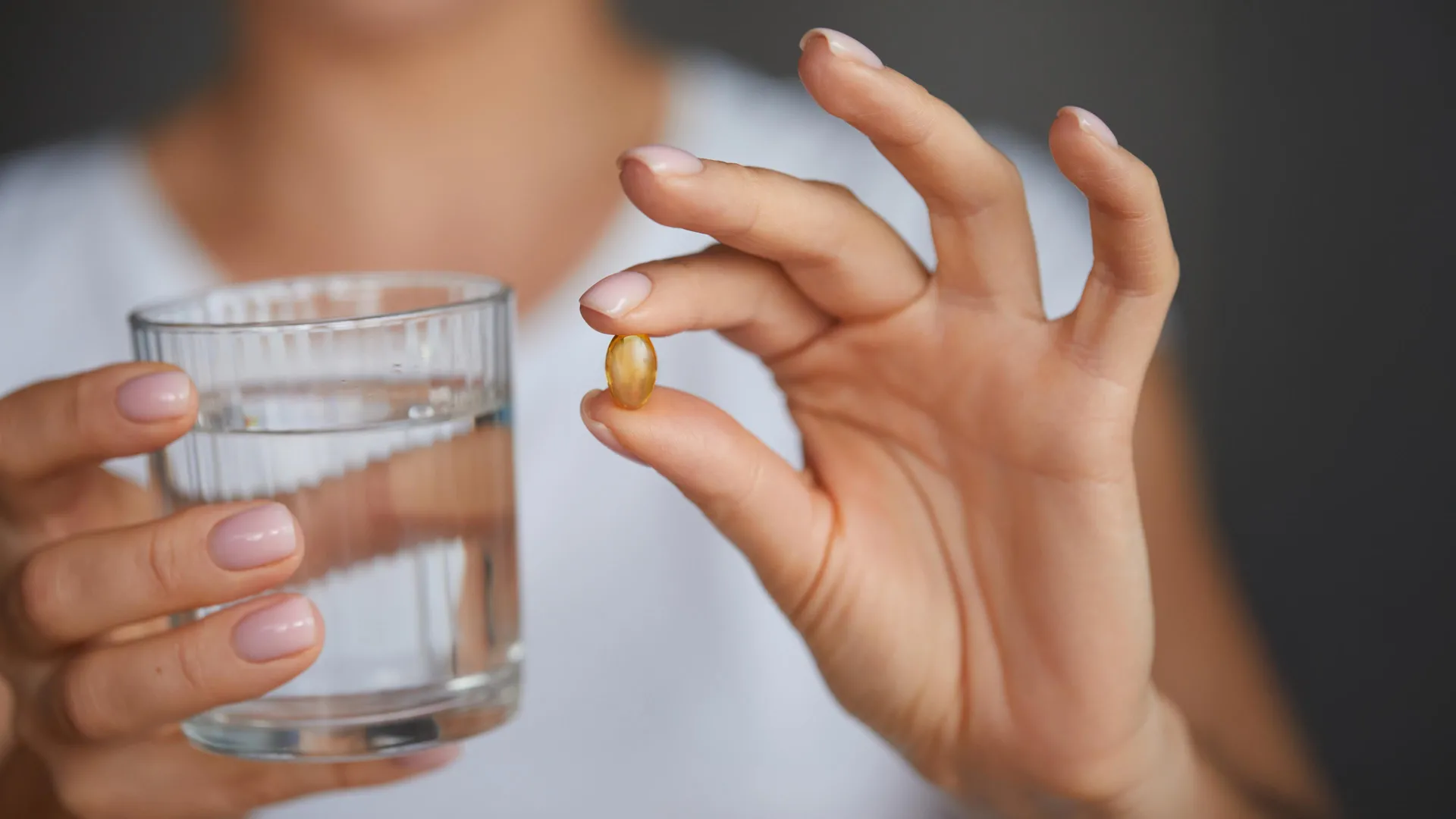
Findings from a comprehensive, large-scale randomized controlled trial led by Mass General Brigham suggest that while high-dose vitamin D3 supplementation does not appear to mitigate the severity of acute COVID-19 infections or reduce hospitalizations, it may warrant further investigation for its potential role in alleviating symptoms of long COVID. The groundbreaking research, published in the esteemed Journal of Nutrition, analyzed data from a diverse cohort, offering crucial insights into the complex relationship between vitamin D and the multifaceted impacts of the SARS-CoV-2 virus.
The VIVID Trial: A Rigorous Examination of Vitamin D and COVID-19
The study, dubbed the Vitamin D for COVID-19 (VIVID) Trial, aimed to provide definitive answers to a question that has captivated the scientific and public health communities since the pandemic’s onset: can vitamin D supplements offer protection against COVID-19? Vitamin D, a nutrient crucial for bone health and widely recognized for its role in immune system regulation, has long been a subject of interest in the context of viral infections. However, previous research on its efficacy against COVID-19 has yielded conflicting results, necessitating a large-scale, meticulously designed trial to clarify its potential benefits.
"There’s been tremendous interest in whether vitamin D supplements can be of benefit in COVID, and this is one of the largest and most rigorous randomized trials on the subject," stated senior author JoAnn Manson, MD, DrPH, a distinguished member of the Mass General Brigham Department of Medicine. "While we didn’t find that high-dose vitamin D reduced COVID severity or hospitalizations, we observed a promising signal for long COVID that merits additional research."
Trial Design and Methodology
The VIVID Trial was designed as a randomized, placebo-controlled study, considered the gold standard for evaluating the effectiveness of interventions. The research encompassed participants from both the United States and Mongolia, reflecting a global effort to gather robust data. The trial enrolled a total of 1,747 adults who had recently tested positive for COVID-19, along with 277 household contacts who were at risk of infection. Participants were randomly assigned to receive either high-dose vitamin D3 supplements or a placebo daily for a period of four weeks.
The specific supplementation protocol involved a high dose of vitamin D3, administered as 9,600 International Units (IU) per day for the first two days, followed by a daily dose of 3,200 IU for the remainder of the four-week period. This dosage was chosen based on prior research suggesting a potential therapeutic window for vitamin D in immune modulation.
The U.S. portion of the VIVID Trial commenced in December 2020 and concluded in September 2022, spanning a critical period of the pandemic’s evolution. Concurrently, the study was conducted in Mongolia from September 2021 to April 2022. A key aspect of the trial’s timing was that, on average, participants began their assigned vitamin D or placebo regimen approximately three days after receiving a positive COVID-19 test result, allowing for an assessment of its impact during the acute phase of infection.
Ensuring Robustness: Balanced Study Groups
To ensure the integrity and validity of the findings, researchers employed sophisticated statistical techniques to balance crucial factors known to influence COVID-19 outcomes. Alongside Dr. Manson, lead authors Davaasambuu Ganmaa and Kaitlyn Cook, along with their colleagues, utilized stratified randomization and statistical weighting. These methods were instrumental in ensuring that groups receiving vitamin D and placebo were comparable in terms of age, sex, body mass index (BMI), race/ethnicity, and COVID-19 vaccination status. This meticulous balancing act minimized the potential for confounding variables to skew the results, thereby strengthening the confidence in the observed associations.
Unpacking the Results: No Impact on Acute Infection
The primary objective of the VIVID Trial was to determine if high-dose vitamin D supplementation could reduce the severity of COVID-19 infections, hospitalizations, or mortality. Over the four-week study period, the researchers found no statistically significant differences between the vitamin D and placebo groups regarding healthcare utilization or death. Healthcare utilization was broadly defined to include hospital stays, clinic visits (both in-person and virtual), and emergency room visits, providing a comprehensive measure of disease burden.
Furthermore, the study revealed that symptom severity during the acute phase of COVID-19 was comparable in both the vitamin D and placebo groups. This suggests that, under the conditions of this trial, the high-dose vitamin D regimen did not confer an advantage in terms of reducing the immediate clinical manifestations of the virus.
Beyond individual patient outcomes, the VIVID Trial also investigated whether vitamin D supplementation could impact viral transmission within households. The findings indicated that high-dose vitamin D supplementation did not lower the probability of household contacts becoming infected with COVID-19. This aspect of the study is particularly relevant given the highly contagious nature of the virus and the importance of understanding potential community-level interventions.
A Glimmer of Hope: The Long COVID Connection
While the VIVID Trial did not find evidence of benefit for acute COVID-19, a compelling observation emerged when researchers analyzed a specific subset of participants: those who adhered consistently to their assigned vitamin D regimen. In this group, a potential signal emerged suggesting a possible reduction in the incidence of long COVID symptoms.
Individuals who consistently took their vitamin D supplements appeared to be somewhat less likely to report persistent symptoms eight weeks after their initial infection compared to their counterparts in the placebo group. Specifically, among participants diligently following the vitamin D regimen, 21% reported at least one lingering symptom, a figure that contrasts with 25% in the placebo group. While this difference was considered borderline statistically significant, it has spurred considerable interest and underscores the need for further exploration.
"Long COVID, which can include symptoms of fatigue, shortness of breath, brain fog, other cognitive challenges and more, continues to significantly impact people’s lives," Dr. Manson emphasized. "We hope to conduct further research in larger populations on whether long-term vitamin D supplementation reduces the risks and severity of long COVID."
Understanding Long COVID
Long COVID, a complex and often debilitating condition, can manifest with a wide array of symptoms that persist for weeks, months, or even years after the initial SARS-CoV-2 infection. These symptoms can significantly impair an individual’s quality of life, affecting their ability to work, engage in social activities, and maintain overall well-being. The persistent nature of these symptoms, coupled with the lack of universally effective treatments, makes the investigation of potential preventative or therapeutic strategies, such as vitamin D supplementation, a critical area of research. The VIVID Trial’s findings, while preliminary in this regard, offer a much-needed avenue for hope in addressing this growing public health challenge.
Broader Implications and Future Directions
The results of the VIVID Trial hold significant implications for public health recommendations and future research endeavors. The robust nature of the study provides strong evidence against the widespread recommendation of high-dose vitamin D supplementation solely for the purpose of preventing or treating acute COVID-19. This clarity is important for avoiding misinformation and ensuring that public health messaging is grounded in scientific evidence.
However, the promising signal regarding long COVID cannot be overlooked. This observation aligns with the known immunomodulatory functions of vitamin D, which could potentially play a role in modulating the inflammatory and immune dysregulation that are thought to contribute to long COVID.
Expert Perspectives and Inferences
While no direct reactions from external parties were provided in the original text, it is reasonable to infer that the scientific community will view these findings with cautious optimism. Researchers specializing in infectious diseases and immunology are likely to acknowledge the rigor of the VIVID Trial and the importance of the observed signal. They may advocate for carefully designed follow-up studies that specifically target the long COVID population.
Clinicians, particularly those managing patients with post-viral syndromes, may find these results intriguing. However, they are likely to await further corroboration before incorporating vitamin D supplementation into their treatment protocols for long COVID, emphasizing the need for evidence-based practice.
Moving Forward: The Path of Further Research
The VIVID Trial’s findings pave the way for more targeted research. Future studies could focus on:
- Longer-term supplementation: Investigating whether sustained vitamin D supplementation, beyond the initial four weeks, might have a more pronounced effect on long COVID symptoms.
- Different dosages and formulations: Exploring whether alternative dosages or forms of vitamin D might be more effective.
- Specific long COVID symptom clusters: Examining if vitamin D has a differential impact on particular constellations of long COVID symptoms, such as fatigue, cognitive dysfunction, or respiratory issues.
- Biomarker analysis: Incorporating detailed analyses of immune markers and inflammatory pathways to understand the biological mechanisms by which vitamin D might influence long COVID.
- Diverse populations: Expanding research to include a wider range of demographic groups and individuals with varying baseline vitamin D levels.
Authorship and Funding Acknowledged
The VIVID Trial involved a collaborative effort among numerous researchers. In addition to Dr. Manson and Dr. Ganmaa, Mass General Brigham authors included Allison Clar, Michael Rueschman, Aditi Hazra, Howard D. Sesso, Valerie E. Stone, Patricia Copeland, and Georgina Friedenberg. Additional authors contributing to the study were Kaitlyn Cook, Polyna Khudyakov, Dorjbal Enkhjargal, Tsolmon Bilegtsaikhan, Kenneth H. Mayer, Raji Balasubramanian, Douglas C. Smith, Quanhong Lei, Todd Lee, Emily G. McDonald, Tserenkhuu Enkhtsetseg, Erdenebaatar Sumiya, Yansanjav Narankhuu, Myagmarsuren Erdenetuya, Dalkh Tserendagva, Rikard Landberg, Niclas Roxhed, and Susanne Rautiainen.
The study received anonymous foundation support and philanthropic contributions from Jon Sabes of Minneapolis, Minn. The authors also acknowledged support from the Tishcon Corporation for donating the vitamin D and placebo study capsules, as well as Takeda and Capitainer cards. It is noteworthy that the authors did not declare a specific grant for this research from any public, commercial, or nonprofit funding agency. Niclas Roxhed, one of the authors, has a disclosed connection as a founder and shareholder of Capitainer AB, a company involved in commercializing the blood collection devices used in the study. All other authors reported no conflicts of interest.
The VIVID Trial represents a significant contribution to the scientific understanding of vitamin D’s role in the context of COVID-19. While its findings offer definitive conclusions regarding acute infection, the intriguing signal for long COVID opens a new chapter in research, holding the potential to inform future strategies for managing the persistent health challenges posed by the pandemic.

0 Comments