
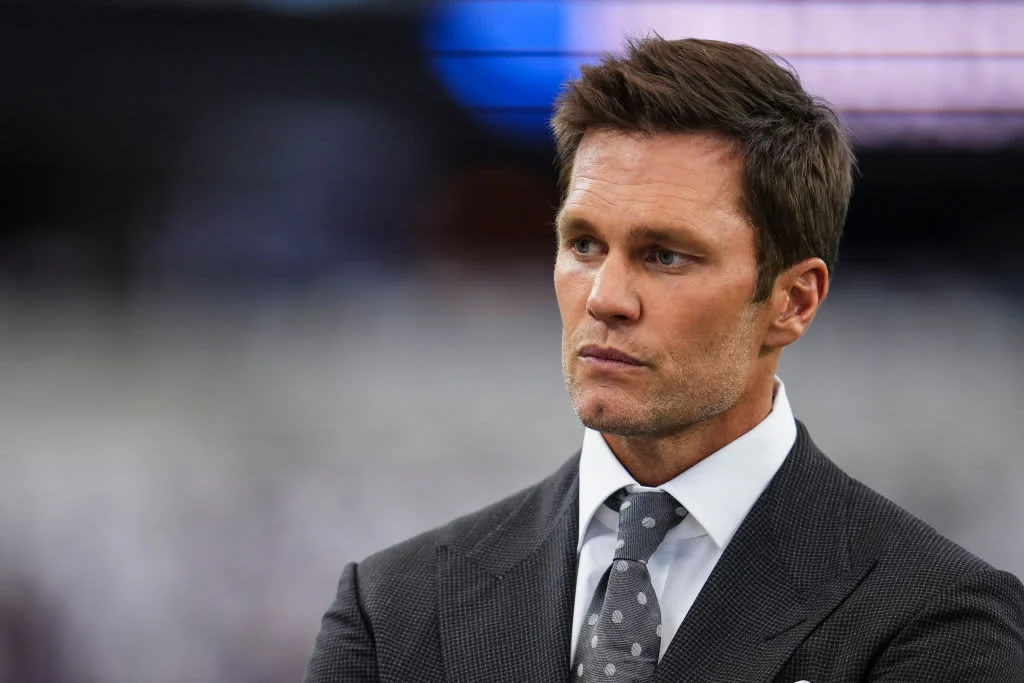
JPMorgan Chase, the largest bank in the United States by assets, has formally unveiled a significant initiative aimed at tackling the persistent and often hidden challenge of financial instability among professional athletes. On Wednesday, the financial titan announced the formation of the JPMorgan Chase Athlete Council, a high-profile advisory body featuring an unprecedented lineup of American sports icons. Led by two-time NBA Hall of Famer Dwyane Wade, the council boasts an impressive roster including seven-time Super Bowl champion Tom Brady, WNBA legend Sue Bird, soccer stars Alex Morgan and Megan Rapinoe, WNBA MVP A’ja Wilson, and current NBA standout Jalen Brunson. This strategic move underscores a growing recognition within the financial sector of the unique financial pressures faced by athletes and the increasing competition among wealth managers to serve this specialized demographic.
The Initiative: A Strategic Move
The newly established Athlete Council is designed to serve as a crucial interface between the bank’s financial experts and the lived experiences of elite athletes. Members of the council will engage directly with JPMorgan executives, contributing their unique perspectives and insights to help the bank develop and refine financial programs specifically tailored to athletes at various stages of their careers – from their entry into professional sports, through their playing years, and into retirement. This collaborative approach aims to bridge the gap between traditional financial services and the specific needs of individuals whose careers are often characterized by sudden wealth, intense public scrutiny, and a relatively short earning window.
Kristin Lemkau, head of JPMorgan Wealth Management, articulated the bank’s motivation, telling CNBC’s Leslie Picker, "We heard a lot of the same thing over and over again, which is a lot of young athletes coming into money very suddenly, they develop unsustainable lifestyles, they don’t always get great advice around them, and those are the lucky ones." This sentiment reflects a deep understanding of the systemic issues that often lead athletes down precarious financial paths. By involving those who have navigated these waters successfully, JPMorgan aims to create more effective and relatable solutions.
Addressing a Persistent Problem: Athlete Financial Vulnerability
The problem of athletes going broke, despite earning significant sums, is well-documented and has been a concern within professional sports for decades. Research, including a seminal 2009 study by the National Bureau of Economic Research (NBER), highlighted the sobering statistic that approximately one in six NFL players declare bankruptcy within 12 years of retiring. Similar trends have been observed across other major sports, though exact figures can vary. The confluence of factors contributing to this vulnerability includes a lack of formal financial education during formative years, pressure to support extended family and friends, susceptibility to bad investments or scams, and the inherent brevity of most athletic careers. The average career length in the NFL is just over three years, in the NBA around 4.5 years, and in MLB approximately 5.6 years. This compressed earning window means that careful financial planning and astute investment decisions are paramount for long-term security.
Many athletes enter professional leagues directly from college or even high school, often without a comprehensive understanding of personal finance, budgeting, or investment strategies. The sudden influx of multi-million dollar contracts can be overwhelming, leading to extravagant spending habits that are difficult to sustain post-career. Furthermore, the entourage phenomenon, where athletes feel obligated to financially support a large circle of friends and family, can quickly deplete even substantial fortunes. The NBER study further suggested that factors like early retirement and a lack of financial sophistication contribute significantly to these outcomes. This historical context provides a stark backdrop for JPMorgan’s new initiative, positioning it as a proactive step to break this cycle of financial distress.
The Evolving Landscape of Athlete Finances
The financial lives of professional athletes have become increasingly complex over the past two decades, moving far beyond simple salary and endorsement deals. Today’s top athletes are often sophisticated entrepreneurs, investors, and media personalities in their own right. They manage intricate portfolios of endorsement contracts, brand partnerships, and equity stakes in various ventures. The advent of Name, Image, and Likeness (NIL) deals in collegiate sports has further complicated the financial journey, introducing significant earning opportunities – and corresponding financial management responsibilities – much earlier in an athlete’s career.
- Beyond the Game: Athletes as Brands and Entrepreneurs: Modern athletes, particularly those at the elite level, are often global brands. They launch their own companies, invest in startups, and leverage social media platforms to build direct relationships with fans and consumers. This entrepreneurial spirit, while offering immense potential for wealth creation, also demands a sophisticated understanding of business, finance, and legal frameworks. Managing multiple revenue streams, intellectual property, and tax implications requires expert guidance that goes beyond basic banking services.
- The Impact of Name, Image, and Likeness (NIL) Deals: The NCAA’s decision in 2021 to allow college athletes to profit from their NIL fundamentally reshaped the landscape of sports finance. This change means that athletes are now entering the financial world at a much younger age, sometimes while still teenagers, managing significant sums from endorsements, appearances, and social media content. While providing financial empowerment, it also introduces substantial financial literacy challenges, as these young athletes navigate contracts, taxes, and investment decisions, often without prior experience or adequate support structures. JPMorgan’s initiative recognizes this early entry point, aiming to provide resources that span the entire athlete journey, from college to professional life and beyond.
JPMorgan’s Comprehensive Approach
Beyond the high-profile Athlete Council, JPMorgan Chase is rolling out a multi-pronged strategy to address athlete financial needs. This includes the establishment of an "Athlete Center of Excellence" and a dedicated online content hub.
- Holistic Support: From Education to Expert Guidance: The Athlete Center of Excellence will be staffed by financial professionals who possess specialized knowledge and experience in working with athletes. This dedicated team will offer tailored advice on everything from wealth management and investment strategies to estate planning and philanthropic endeavors. The goal is to provide a holistic financial planning service that understands the unique career trajectories, income volatility, and personal pressures athletes face.
- Accessible Resources: The accompanying content hub, accessible via Chase.com, will serve as a vital educational resource. It will feature practical tools such as checklists for athletes navigating the complexities of NIL deals, guides for assembling a trusted team of advisors (including agents, lawyers, and financial planners), and resources on budgeting, saving, and investing. This digital component aims to democratize access to critical financial information, empowering athletes to make informed decisions and build a strong financial foundation.
This comprehensive approach demonstrates JPMorgan’s commitment to not just offering services, but also to educating and empowering athletes, addressing the root causes of financial mismanagement rather than just the symptoms.
Statements and Perspectives
The launch of the Athlete Council has drawn positive reactions, particularly from those intimately familiar with the challenges athletes face.
Dwyane Wade, a prominent voice in the sports world and now co-chair of the council, emphasized the importance of sharing hard-won experiences. "Having the right educational resources and guidance is critical to making smart decisions about money as your career evolves," he stated in the release. Wade’s own journey, from humble beginnings to NBA superstardom and successful entrepreneurship, lends significant credibility to the initiative. His involvement signals a genuine commitment to mentorship and financial literacy within the athletic community.
WNBA star A’ja Wilson echoed this sentiment, highlighting the personal responsibility athletes feel towards the next generation. "We’re starting to try to turn the page and help the youth in the next generation understand that you have to build trust, you have to build boundaries and know exactly how you want to operate with your money," Wilson told CNBC. Her perspective, representing a younger generation of athletes navigating both on-court success and off-court business opportunities, underscores the timeliness and relevance of JPMorgan’s program.
Industry observers also view this initiative as a significant development. Dr. Michael Lewis, a sports economist and author, commented, "The involvement of such high-caliber athletes isn’t just a marketing ploy; it provides authenticity and invaluable lived experience. Who better to advise on the financial pitfalls and opportunities in sports than those who have walked that path?" Similarly, Sarah Jenkins, a veteran sports agent, noted, "Agents often shoulder the burden of financial guidance, but having a major institution like JPMorgan offer specialized, comprehensive support can only benefit our clients. It adds another layer of protection and expertise."
Broader Implications and Market Competition
JPMorgan Chase’s entry into this specialized niche with such a high-profile initiative has several broader implications, both for the financial services industry and for professional sports as a whole.
- A Growing Niche: The Battle for Athlete Wealth Management: The move by JPMorgan Chase is indicative of a wider trend among financial institutions to target specific, high-net-worth demographics with tailored services. The market for athlete wealth management is increasingly competitive, with boutique firms and larger institutions vying for clients. While traditional private banking has long served ultra-high-net-worth individuals, the unique demands of athletes—including volatile income, short career spans, and specific brand-building needs—have spurred the development of specialized divisions. Other banks and wealth managers have also launched similar programs or dedicated teams, recognizing the significant assets controlled by athletes and the potential for long-term relationships that extend beyond their playing careers. This competition is likely to drive innovation and improve the quality of financial services available to athletes.
- Potential for Systemic Change in Sports Finance: By addressing financial literacy and robust wealth management from college through retirement, JPMorgan’s initiative has the potential to contribute to a systemic shift in how athletes manage their money. If successful, it could lead to fewer instances of bankruptcy, more stable post-career transitions, and greater generational wealth creation within athletic families. This, in turn, could foster a more secure and empowered athlete population, allowing them to focus more effectively on their performance and contribute more broadly to their communities. Furthermore, it could set a new standard for financial education and support that other leagues and athlete organizations might seek to emulate or partner with.
- Brand Building and ESG: For JPMorgan Chase, this initiative is not merely about market share. It also serves as a powerful brand-building exercise, aligning the bank with highly respected public figures and demonstrating a commitment to social responsibility (Environmental, Social, and Governance – ESG principles) through financial education and empowerment. By addressing a known societal issue within the sports community, the bank enhances its reputation and strengthens its ties with a culturally significant segment of the population.
In conclusion, JPMorgan Chase’s launch of the Athlete Council marks a significant escalation in the effort to equip professional athletes with the financial tools and knowledge necessary for long-term security. By leveraging the wisdom of sports legends and combining it with comprehensive financial services, the bank aims to redefine wealth management for this unique and influential demographic, potentially paving the way for a new era of financial stability and empowerment in professional sports.

0 Comments