
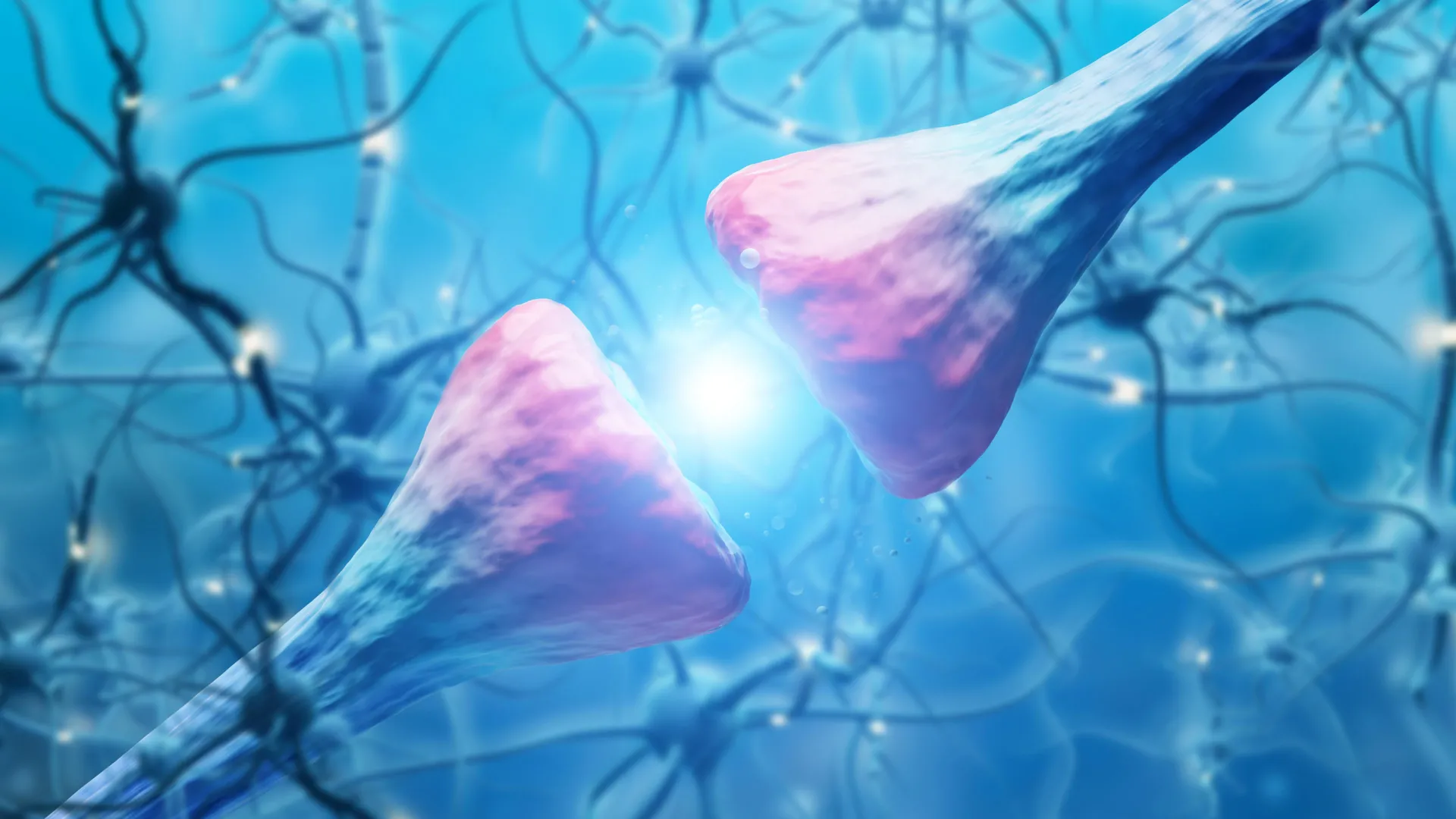
Relapsing into cocaine use is not simply a matter of weak willpower. New research from Michigan State University (MSU) demonstrates that it can result from lasting biological alterations within the brain, specifically in how the hippocampus, a critical region for memory and learning, functions. Scientists have discovered that chronic cocaine exposure profoundly changes brain circuits, creating an enduring and profoundly difficult-to-resist urge to return to the drug. This groundbreaking study, supported by grants from the National Institutes of Health (NIH) and published in the prestigious journal Science Advances, offers a compelling explanation for the persistent challenge in treating cocaine addiction and opens promising avenues for the development of novel therapeutic interventions.
The Persistent Grip of Cocaine Addiction: A Biological Imperative
Cocaine addiction remains a formidable public health crisis, affecting an estimated one million individuals across the United States alone. Despite its widespread impact, the U.S. Food and Drug Administration (FDA) has yet to approve a specific medication designed to treat cocaine addiction. This stands in stark contrast to opioid addiction, where several pharmacological treatments are available. While cocaine cessation typically does not precipitate the severe, life-threatening physical withdrawal symptoms associated with opioids, the psychological and behavioral hold of the drug is extraordinarily potent, leading to persistently high relapse rates. Approximately 24% of individuals who attempt to quit cocaine return to weekly use, and an additional 18% seek treatment again within a year of their initial attempt, underscoring the deep-seated nature of the addiction.
The primary driver of cocaine’s addictive power lies in its direct manipulation of the brain’s reward system. Cocaine causes a significant surge of dopamine, a neurotransmitter intrinsically linked to pleasure, motivation, and reinforcement, within the brain’s reward centers. This artificial flood of dopamine creates an intensely positive reinforcement signal, leading the brain to erroneously associate cocaine use with survival benefits rather than its inherent dangers. Over time, this neurochemical reprogramming fundamentally alters the brain’s circuitry, establishing a biological imperative that overrides rational decision-making and perpetuates the cycle of craving and use.
Unraveling the Molecular Mechanism: DeltaFosB’s Pivotal Role
At the heart of this enduring biological recalibration is a protein known as DeltaFosB. Andrew Eagle, the lead author of the MSU study and a former postdoctoral researcher in Dr. A.J. Robison’s lab, identified DeltaFosB as a crucial molecular player in the persistent drive for cocaine. To meticulously investigate its influence, Eagle employed a sophisticated form of CRISPR technology, a revolutionary gene-editing tool, allowing researchers to precisely study how DeltaFosB impacts specific neural circuits when mice are exposed to cocaine.
The experiments conducted with mouse models revealed that DeltaFosB acts as a potent genetic switch. It exerts control over the expression of genes within the neural pathway connecting the brain’s reward center to the hippocampus. This circuit is paramount for consolidating memories and learning associations, including those related to drug-seeking behaviors. With continued cocaine exposure, DeltaFosB progressively accumulates within this critical circuit. As its concentration rises, it triggers a cascade of changes that alter neuronal function and profoundly modify the circuit’s responsiveness to the drug.
"This protein isn’t just associated with these changes; it is necessary for them," stated Eagle in a press release. "Without it, cocaine does not produce the same changes in brain activity or the same strong drive to seek out the drug." This finding is particularly significant as it implicates DeltaFosB not merely as a marker of addiction but as an active mediator of its persistence.
Genes That Amplify the Addiction Signal
Beyond its role as a master regulator, the research team further elucidated the intricate network of genes influenced by DeltaFosB following prolonged cocaine exposure. One such gene identified is calreticulin, a protein involved in regulating the intricate communication between neurons. Their experiments demonstrated that calreticulin, under the influence of DeltaFosB, amplifies activity within brain pathways that propel individuals toward continued cocaine seeking. This amplification effectively accelerates the neurobiological processes that cement addiction, making the urge to use even more compelling.
This complex interplay between DeltaFosB, calreticulin, and other regulated genes paints a picture of addiction as a biologically entrenched state, rather than a simple failure of willpower. The cumulative effect of these molecular changes creates a brain that is exquisitely sensitive to cues associated with cocaine and intensely driven to seek the drug, even in the absence of acute physical withdrawal.
A Glimmer of Hope: Targeting DeltaFosB for Future Therapies
While the current study was conducted in animal models, the findings hold significant potential for human application. Crucially, humans and mice share many of the same genes and fundamental neural circuits involved in addiction. This conserved biology suggests that the mechanisms uncovered in mice are likely to be relevant to human cocaine addiction.
Building on this foundational research, Dr. Robison’s team is actively engaged in a collaborative effort with scientists at the University of Texas Medical Branch in Galveston. This partnership, bolstered by a grant from the National Institute on Drug Abuse (NIDA), is focused on the ambitious goal of developing novel compounds that can specifically target DeltaFosB. The research centers on designing and rigorously testing molecules capable of modulating how DeltaFosB interacts with DNA, thereby influencing gene expression within the addiction-related neural circuits.
"If we could find the right kind of compound that works in the right way, that could potentially be a treatment for cocaine addiction," Dr. Robison expressed. "That’s years away, but that’s the long-term goal." This pursuit represents a paradigm shift in addiction treatment, moving beyond symptomatic management towards addressing the underlying biological changes that perpetuate the disorder.
Expanding the Horizon: Investigating Sex Differences in Addiction
The next critical phase of research for the MSU team involves a deeper exploration of how hormonal influences impact these addiction-related brain circuits. A significant and often overlooked aspect of addiction research is the potential for sex-specific differences in how drugs of abuse affect the brain and behavior. The researchers plan to investigate whether cocaine exerts differential effects on the brains of male and female individuals.
Understanding these potential sex differences could provide crucial insights into why addiction risks and treatment responses sometimes vary between men and women. Such knowledge is essential for developing more personalized and effective treatment strategies, acknowledging the biological complexities that may contribute to diverse addiction trajectories. This line of inquiry aligns with a broader trend in neuroscience and medicine towards precision medicine, where treatments are tailored to individual biological profiles.
Broader Implications for Addiction Science and Public Health
The MSU study’s findings have profound implications for how cocaine addiction is understood and treated. By firmly establishing the biological underpinnings of persistent cocaine cravings, the research challenges outdated notions that attribute addiction solely to moral failing or a lack of personal resolve. This perspective shift is vital for reducing the stigma associated with addiction, encouraging individuals to seek help without fear of judgment, and fostering a more compassionate societal response.
Furthermore, the identification of DeltaFosB and calreticulin as key molecular players provides concrete targets for the development of pharmacotherapies. While the journey from laboratory discovery to clinical application is often long and arduous, this research offers a tangible roadmap for creating medications that could potentially disrupt the biological mechanisms driving relapse. This could lead to interventions that not only alleviate withdrawal symptoms but also address the underlying neurobiological changes that make quitting so difficult.
The broader impact extends to public health policy and resource allocation. A deeper understanding of addiction as a chronic brain disease, akin to other complex medical conditions like diabetes or heart disease, necessitates sustained investment in research, prevention, and accessible treatment services. The high relapse rates underscore the need for comprehensive care models that include not only pharmacological interventions but also robust psychosocial support, counseling, and relapse prevention strategies.
The timeline of this research, from initial observations to the current stage of developing therapeutic targets, reflects the iterative and persistent nature of scientific inquiry. Early research in the late 20th century began to elucidate the role of dopamine in addiction. The development of molecular biology tools, including advanced genetic techniques like CRISPR, has allowed scientists to delve deeper into the specific molecular pathways involved. The identification of DeltaFosB itself dates back several decades, but its precise functional role in mediating the long-term neuroadaptations associated with cocaine addiction, as demonstrated by Eagle and Robison’s work, represents a significant advancement.
The collaborative efforts with the University of Texas Medical Branch signify the transition from fundamental discovery to applied research, a critical step in translating scientific breakthroughs into tangible benefits for patients. This phase typically involves preclinical testing of drug candidates, followed by rigorous clinical trials in humans, a process that can take many years.
In conclusion, the research from Michigan State University offers a vital scientific foundation for understanding and combating cocaine addiction. By highlighting the lasting biological changes in the brain, particularly the role of DeltaFosB and its downstream genetic targets, scientists are moving closer to developing effective treatments that address the core biological drivers of this devastating disease. The ongoing investigations into sex differences further promise to refine our understanding and pave the way for more personalized and impactful interventions, ultimately offering hope to millions affected by cocaine addiction.

0 Comments