
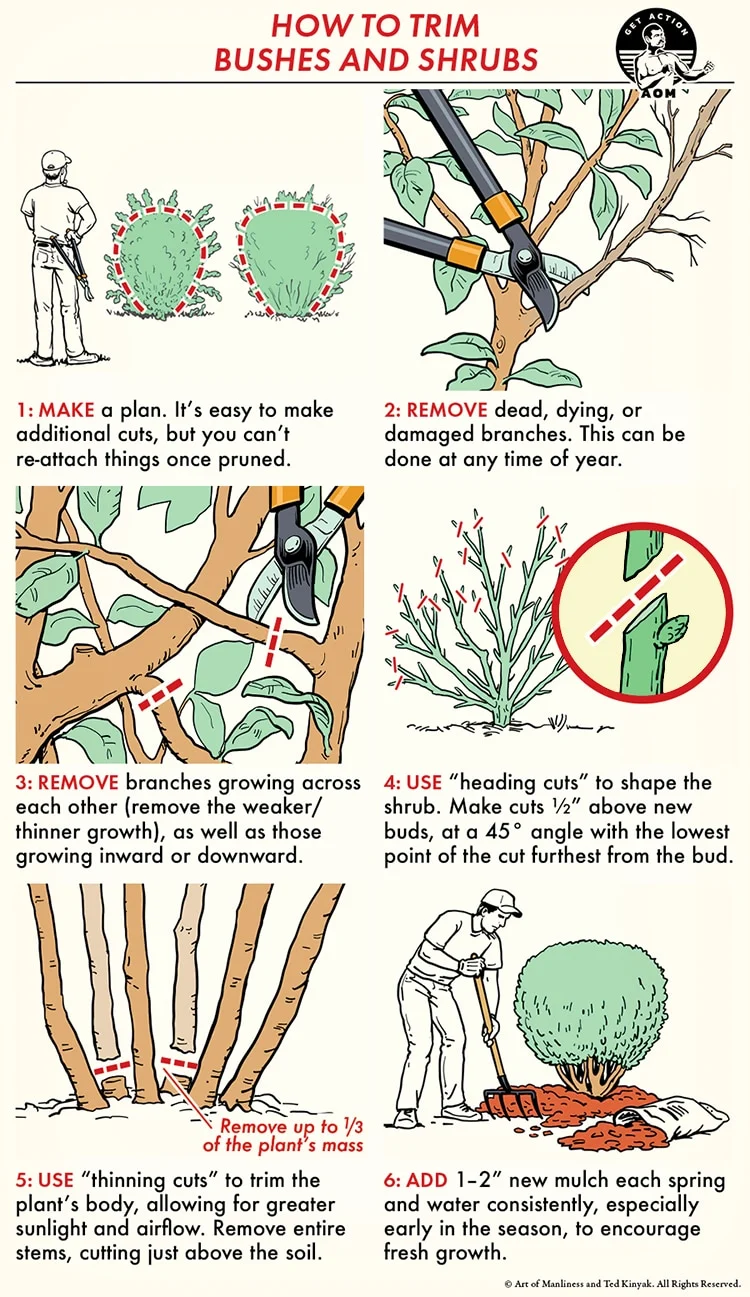
Maintaining the structural integrity and aesthetic value of residential and commercial landscaping requires a disciplined approach to horticultural maintenance, specifically the art and science of pruning. While shrubs left to their own natural processes will continue to grow, they often do so at the expense of their own health and the visual harmony of the surrounding environment. Over time, unmanaged shrubs become congested, characterized by tangled branch networks that obstruct essential sunlight and restrict airflow. This lack of circulation creates a humid microclimate within the plant’s canopy, which is often a precursor to fungal infections and pest infestations. Proper trimming, performed at least annually, serves as a vital intervention that manages growth, encourages structural balance, and extends the overall lifespan of the plant.
The Biological and Aesthetic Necessity of Shrub Maintenance
The primary objective of trimming is not merely to reduce the size of a plant, but to guide its future development through strategic cuts. From a biological perspective, pruning stimulates the plant’s internal hormonal responses. When the terminal bud at the end of a branch is removed, the plant redistributes growth hormones, known as auxins, to lateral buds further down the stem. This process results in a bushier, denser plant. Conversely, thinning cuts—which remove an entire branch back to its point of origin—allow more light to reach the interior of the shrub, preventing the "hollow center" syndrome where leaves only grow on the outer shell of the plant.
From a real estate and urban planning perspective, well-maintained landscaping is a significant asset. According to data from the Appraisal Institute, high-quality landscaping can increase a property’s value by as much as 6% to 15%. In contrast, overgrown or diseased shrubbery can detract from curb appeal and suggest a general lack of property maintenance, potentially decreasing market interest. Therefore, understanding the technical requirements of trimming is both a matter of botanical health and financial prudence.
A Chronological Guide to Pruning Cycles
Timing is perhaps the most critical factor in successful shrub maintenance. Pruning at the wrong time of year can inadvertently strip a plant of its flowering potential or leave it vulnerable to winter injury. Horticultural experts generally categorize shrubs into two groups based on their flowering habits:
Spring-Flowering Shrubs
Species such as lilacs, forsythia, azaleas, and rhododendrons develop their flower buds during the previous year’s growing season. To preserve these blooms, these plants should be pruned immediately after their flowers fade. Delaying the trim until late summer or autumn will result in the removal of the "old wood" that carries the following year’s buds, leading to a lackluster or nonexistent floral display in the spring.
Summer-Flowering Shrubs
Plants that bloom on "new wood"—meaning the growth produced in the current season—include species like crape myrtle, butterfly bush, and certain varieties of hydrangea. These are best pruned in late winter or very early spring before the first signs of new growth appear. Pruning during this dormant phase allows the plant to direct all its springtime energy into the vigorous development of new, flower-bearing stems.
Year-Round Maintenance
Regardless of the species or the season, dead, damaged, or diseased wood should be removed as soon as it is identified. This "3-D" rule (Dead, Damaged, Diseased) is essential for preventing the spread of decay and pathogens to the healthy portions of the plant. Immediate removal also reduces the risk of branches breaking during high winds or heavy snow, which could cause jagged tears in the bark.
Technical Methodology and Tool Selection
Effective trimming is dependent on the use of high-quality, sharp tools designed for specific types of cuts. Using the wrong tool can crush plant tissue rather than slicing it, leading to slow healing and increased disease susceptibility.
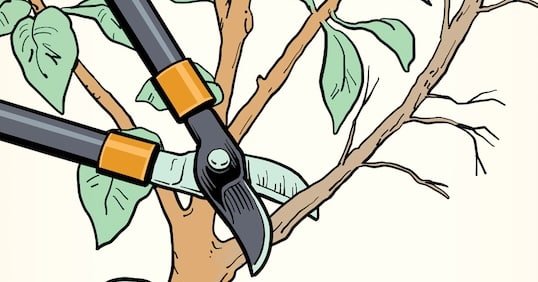
- Bypass Pruners: These are the most essential tools for any gardener. They function like scissors, with two blades sliding past each other. They are ideal for making clean, precise cuts on stems up to half an inch in diameter.
- Loppers: Featuring longer handles for increased leverage, loppers are designed for branches between half an inch and two inches thick.
- Hedge Shears: These are used specifically for formal hedges where a flat, uniform surface is desired. They should not be used for general structural pruning of individual shrubs.
- Pruning Saws: For branches exceeding two inches in diameter, a specialized pruning saw with a curved blade is necessary to ensure a clean cut without binding.
When making a cut, the angle and placement are paramount. Cuts should be made at a 45-degree angle, approximately one-quarter inch above a bud that is facing outward. The slant of the cut ensures that rainwater runs off the wound rather than pooling on top of the bud, which can cause rot. The outward-facing bud ensures that the new branch will grow away from the center of the plant, maintaining an open and airy structure.
Supporting Data: The Impact of Proper Pruning on Plant Longevity
Research in arboriculture suggests that plants maintained through regular thinning cuts have a 25% higher survival rate during extreme weather events compared to unpruned, top-heavy counterparts. Furthermore, a study on urban green spaces indicated that shrubs pruned for "transparency"—allowing some light to pass through—supported a more diverse range of beneficial insects and soil microorganisms.
In terms of economic impact, the cost of professional "rejuvenation pruning"—a drastic technique used to save overgrown, neglected shrubs—can be three to five times higher than the cost of annual maintenance. For property owners, the data clearly supports a "little and often" approach to landscaping.
Professional Standards and Safety Protocols
The American National Standards Institute (ANSI) provides the A300 standards, which are the generally accepted industry guidelines for tree and shrub care. These standards emphasize that no more than 25% to 33% of a plant’s foliage should be removed in a single season. Exceeding this "one-third rule" can shock the plant, depleting its energy reserves and making it susceptible to environmental stressors.
Safety is an equally important consideration. Professionals recommend the use of Personal Protective Equipment (PPE), including heavy-duty gloves to protect against thorns and sharp stems, and safety glasses to prevent eye injuries from springing branches. When working with diseased plants, it is a standard industry practice to disinfect tool blades with a 10% bleach solution or isopropyl alcohol between every cut to prevent cross-contamination.
Broader Implications for Urban Ecology
Beyond the boundaries of individual properties, the collective management of shrubs and bushes plays a role in urban ecology. Well-trimmed shrubs contribute to the "urban heat island" mitigation by providing shade and through the process of evapotranspiration. However, when shrubs are allowed to become overgrown and then "topped" (the practice of cutting all branches to a uniform height regardless of bud placement), they often produce "water sprouts"—thin, weak vertical shoots. These sprouts are structurally inferior and provide poor habitat for local fauna.
Furthermore, the timing of pruning has direct implications for local wildlife. Many bird species utilize dense shrubs for nesting between March and August. Environmental organizations often suggest a "pre-pruning inspection" to ensure that active nests are not disturbed, aligning horticultural practices with conservation goals.
Conclusion: The Strategic Approach to Landscaping
Trimming bushes and shrubs is a task that sits at the intersection of manual labor and strategic planning. It requires an understanding of plant physiology, a commitment to seasonal timing, and the disciplined application of technical cutting methods. By moving away from the "hacking" mentality and adopting a thoughtful, guided approach to growth, property owners can ensure their greenery remains a healthy, vibrant, and valuable component of the landscape.
As the landscaping industry continues to evolve with a greater focus on sustainability and ecological health, the role of the informed gardener becomes increasingly vital. Whether the goal is to produce the perfect lilac bloom or to maintain a privacy screen of boxwoods, the principles of proper pruning remains the same: respect the plant’s natural form, prioritize its health through airflow and light, and use the right tools for the job. Through these practices, the unruly thicket is transformed into a structured, thriving element of the natural world.

0 Comments