
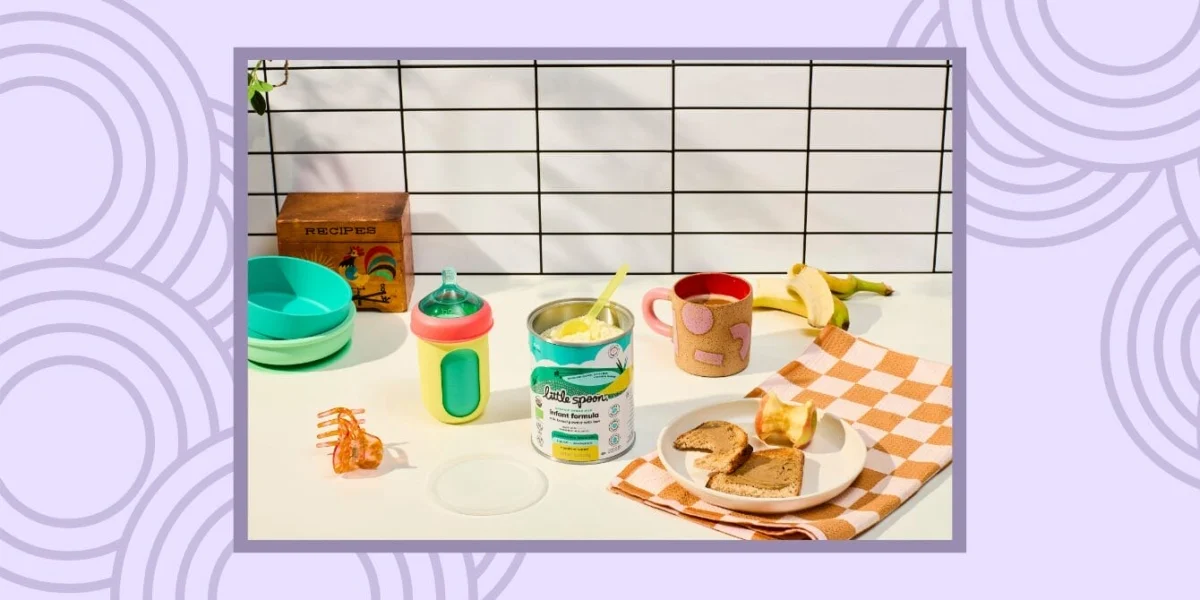
Little Spoon, a company recognized for its rigorous ingredient standards in baby and toddler foods, has officially launched its Organic Whole Milk Infant Formula, marking a significant entry into a category often criticized for a lack of transparency regarding sourcing and contaminant testing. This move extends the brand’s established philosophy of uncompromising quality and ingredient scrutiny to infant formula, aiming to alleviate parental concerns and redefine safety standards within the U.S. market. The introduction of this new formula is particularly noteworthy given the heightened awareness and scrutiny surrounding infant nutrition in the wake of recent supply chain disruptions and ongoing debates about regulatory oversight.
The Evolving Landscape of Infant Nutrition and Parental Trust
The U.S. infant formula market is a critical segment of the food industry, providing complete nutrition for millions of infants during their first year of life. Valued at billions of dollars, this market has traditionally been dominated by a few major players. However, recent years have seen a profound shift in consumer expectations, driven by increased awareness of food safety, ingredient sourcing, and environmental contaminants. Parents today are more informed and proactive than ever, seeking products that not only meet nutritional requirements but also align with their values regarding purity, sustainability, and transparency.
This demand for greater clarity intensified dramatically during the 2022 U.S. infant formula shortage, which exposed critical vulnerabilities in the domestic supply chain and highlighted the profound anxiety parents face when essential nutritional products become scarce or untrustworthy. The crisis, triggered by a combination of manufacturing issues and recalls, underscored the urgent need for diverse, reliable, and demonstrably safe formula options. It also shone a spotlight on regulatory frameworks, prompting calls for more robust oversight and closer alignment with international standards, particularly those in the European Union, which are often perceived as more stringent regarding food safety and contaminant limits.
In this context, the issue of "what’s actually in the can" has become paramount. Parents frequently grapple with a sense of guilt or confusion when choosing formula, often feeling overwhelmed by complex ingredient lists, marketing claims, and a general lack of accessible, verified information about product safety. The original article highlights this sentiment, noting that formula use, whether planned or unplanned, should not "come with a side of guilt, confusion, or wondering what’s actually in the can." Little Spoon’s entry into the formula market directly addresses these anxieties by promising an unprecedented level of transparency and a proactive approach to testing that goes beyond current U.S. regulatory mandates.
Little Spoon’s Unprecedented Approach to Safety and Transparency
At the core of Little Spoon’s new infant formula offering is its commitment to an unparalleled testing framework, a direct application of the standards it has upheld for its baby and toddler food lines for the past eight years. The company states it tests every batch of its infant formula for over 500 toxins and contaminants, a benchmark inspired by, and in many cases exceeding, strict EU standards. This comprehensive testing regimen encompasses a wide array of potential hazards, including heavy metals, pesticide residues, and microbial contaminants.
Heavy Metals: Setting New Industry Limits
One of the most significant aspects of Little Spoon’s formula is its stringent approach to heavy metal testing. Heavy metals such as lead, arsenic, cadmium, and mercury pose serious health risks, particularly to infants whose developing neurological and physiological systems are highly vulnerable to even low levels of exposure. While the U.S. Food and Drug Administration (FDA) has taken steps to address heavy metals in baby food, specific, legally binding contaminant limits for infant formula have not yet been fully established or are less comprehensive than those in other developed regions. This regulatory gap has been a consistent point of concern for consumer advocacy groups and pediatric health organizations.
Little Spoon directly confronts this issue by not only testing for these elements but also by publicly disclosing its exact heavy metal testing limits and the results for every batch on its website. This level of transparency is a groundbreaking move in the U.S. formula market. For instance, the company has set a lead limit of 10 parts per billion (PPB), which is notably stricter than the European Union’s threshold of 20 PPB. Furthermore, for mercury, where a universal standard for infant formula does not exist, Little Spoon has proactively established its own limit of 3 PPB. These self-imposed, more rigorous standards demonstrate a commitment to safety that extends beyond mere regulatory compliance, aiming instead for optimal infant protection. This move is poised to exert pressure on other industry players to reconsider their own testing and disclosure practices.
Pesticide Residues and Microbial Contaminants
Beyond heavy metals, Little Spoon’s testing protocol includes screening for 548 different pesticide residues. Exposure to pesticides during infancy has been linked to potential developmental and health issues, making their reduction or elimination a priority for health-conscious parents. The company’s comprehensive approach aims to minimize any such residues, reinforcing its organic certifications.
Equally critical is the testing for microbial contaminants. Little Spoon tests every batch for Sulfite-Reducing Clostridia, which serves as an indicator for spore-forming bacteria. The company has set its own internal limit at 10 spores per gram, a standard ten times stricter than the international guidance of 100 spores per gram. This heightened vigilance against bacterial contamination, coupled with over 2,000 documented quality and safety checks per batch, underscores a manufacturing process designed to prioritize purity and mitigate risks from the earliest stages of production.
Premium Sourcing and Nutritional Formulation
The foundation of Little Spoon’s Organic Whole Milk Formula is organic whole milk sourced from grass-fed cows in New Zealand. This geographical choice is strategic, as New Zealand has a robust agricultural sector with strict regulations, including a ban on growth hormones in dairy farming. The use of whole milk is significant as it naturally provides more fats, which in turn reduces the need for extensive use of added oils in the formula’s composition. This aligns with a growing preference among consumers for more natural and less processed ingredients.
Nutritionally, the formula is meticulously designed to mirror the protein ratio found in breast milk, a crucial aspect for infant development. It also incorporates essential components such as plant-based DHA (docosahexaenoic acid) and prebiotics. DHA is an omega-3 fatty acid vital for brain and eye development, and obtaining it from a plant-based source ensures it meets the preferences of parents seeking non-animal-derived ingredients. Prebiotics are included to support a healthy gut microbiome, which is increasingly recognized as fundamental to overall infant health and immune function.
To further assure quality, the formula carries dual organic certifications: both USDA Organic and EU Organic. Achieving both certifications signifies adherence to two of the world’s most rigorous organic standards, encompassing everything from farming practices and animal welfare to ingredient processing and final product composition. This dual certification provides an additional layer of assurance for parents seeking the highest quality organic products for their children.
Addressing the Realities of Infant Feeding
The article thoughtfully acknowledges the complex and often emotional realities of infant feeding. It recognizes that "most of us end up using formula at some point, even when we didn’t plan to." Whether due to medical necessity, breastfeeding challenges, supply issues, or the demands of returning to work, formula often becomes an essential component of an infant’s diet. Little Spoon’s formula is designed to support these diverse feeding journeys, explicitly addressing scenarios like combo feeding, transitioning from breast to bottle, or supplementing.
The company emphasizes that its formula is built for "actual feeding realities, not just one ‘right’ way." This inclusive approach validates parents who navigate "messy, in-between feeding situations" and offers a solution that provides flexibility without compromising on safety or nutritional integrity. The formula can be used alongside breastfeeding (prepared separately before combining), as a transitional tool, or as a primary feeding method, providing parents with a versatile option that adapts to their unique circumstances and needs. This understanding of parental experience sets Little Spoon apart, positioning its product not just as a nutritional supplement but as a supportive tool for families.
Broader Implications for the Infant Formula Industry
Little Spoon’s entry into the infant formula market with such stringent testing and transparency protocols carries significant implications for the broader industry. By publicly disclosing exact heavy metal testing limits and results, the company is setting a new bar that could challenge established manufacturers to elevate their own standards. This move could catalyze a "race to the top" within the industry, where companies compete not just on price or brand recognition, but on verifiable safety and transparency metrics.
Consumer advocacy groups and public health organizations have long championed greater transparency and stricter regulations in the infant formula sector. Little Spoon’s initiative provides a tangible example of what is possible, potentially fueling renewed calls for regulatory bodies like the FDA to review and update their guidelines for contaminant limits in infant formula, bringing them more in line with international best practices. This could lead to a more harmonized global standard for infant formula safety, ultimately benefiting infants worldwide.
From a competitive standpoint, Little Spoon, though a newer entrant in this specific category, leverages its existing reputation for quality in baby foods. Its disruptive approach could prompt larger, incumbent brands to re-evaluate their own product development, quality control, and communication strategies. The investment required for such rigorous testing and premium sourcing suggests a higher production cost, which may translate to a higher retail price point. However, for a segment of the market increasingly prioritizing safety and transparency above all else, the value proposition of such a product is compelling. The market has shown a willingness to invest in premium, trusted products, especially when it concerns infant health.
In essence, Little Spoon is not just launching a new product; it is attempting to instigate a paradigm shift in how infant formula safety is perceived, regulated, and communicated in the United States. Its commitment to "showing the receipts" — making detailed testing data publicly available — empowers parents with unprecedented information, transforming the decision-making process from one of confusion to one of informed choice.
Conclusion: A New Era of Trust in Infant Nutrition
The introduction of Little Spoon’s Organic Whole Milk Infant Formula represents a pivotal moment in the U.S. infant nutrition landscape. By extending its established commitment to rigorous ingredient scrutiny and radical transparency from baby foods to formula, Little Spoon is directly addressing the deep-seated concerns of parents regarding safety, purity, and ethical sourcing. In a category that has historically lacked comprehensive public disclosure of contaminant testing, the company’s decision to publish exact heavy metal limits and results sets a new precedent.
This development arrives at a critical juncture, following periods of significant parental anxiety due to formula shortages and ongoing debates about regulatory adequacy. Little Spoon’s proactive approach, surpassing current U.S. FDA requirements and often exceeding EU standards for contaminants like lead and Sulfite-Reducing Clostridia, offers a tangible solution to the demand for higher quality and verifiable safety. The formula’s premium ingredients—organic whole milk from grass-fed New Zealand cows, plant-based DHA, and prebiotics, all backed by dual USDA and EU organic certifications—further underscore its commitment to comprehensive infant nutrition.
Ultimately, Little Spoon’s Organic Whole Milk Formula is more than just a new product; it is a statement about consumer empowerment and corporate responsibility. By making crucial safety data readily accessible, the company aims to foster a new era of trust in infant nutrition, ensuring that parents standing in the formula aisle can make choices with confidence, clarity, and peace of mind, free from the burden of guilt or uncertainty about what they are feeding their most vulnerable loved ones. This initiative has the potential to elevate industry-wide standards and reshape the future of infant formula manufacturing and transparency.

0 Comments