
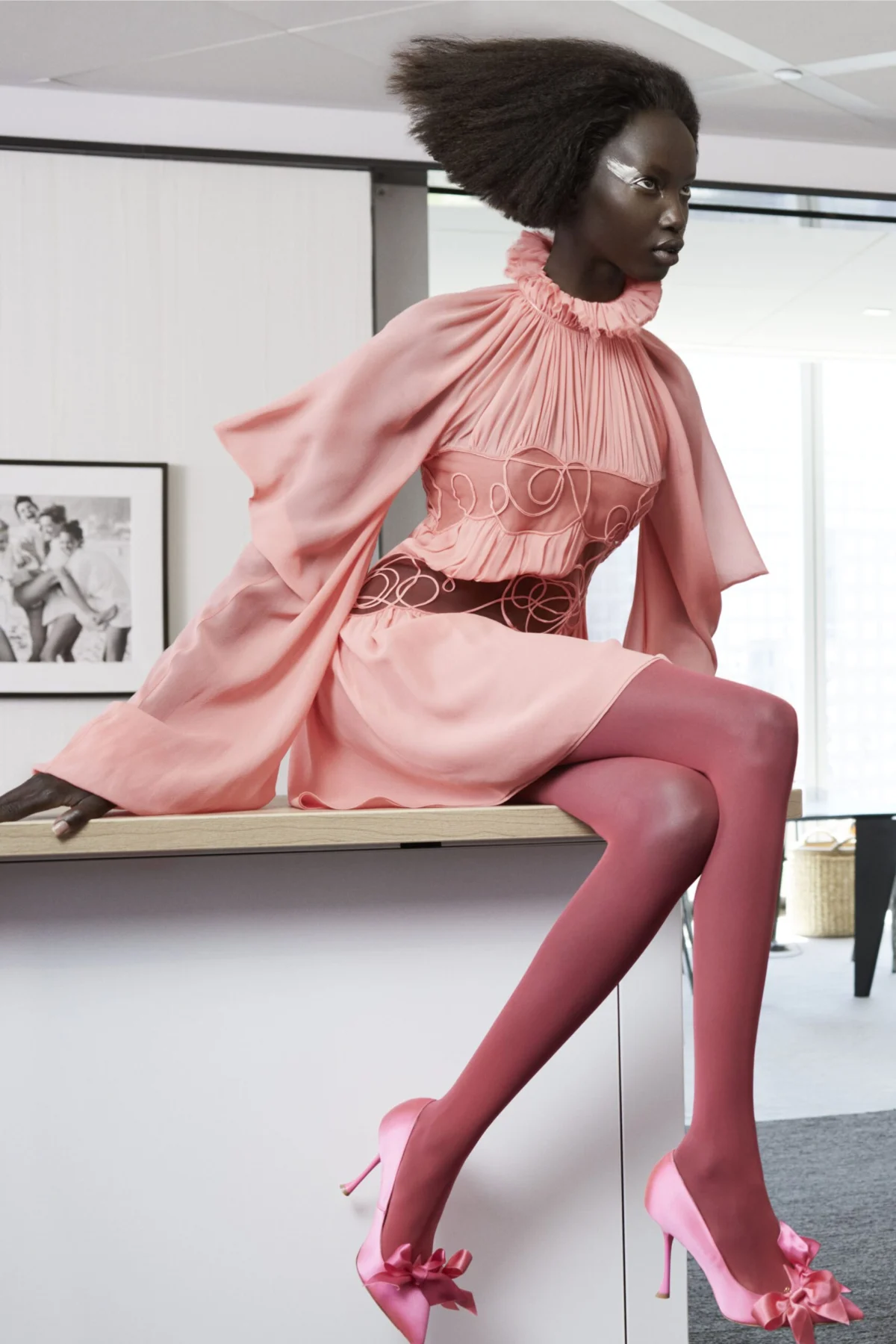
In the landscape of American entrepreneurship, the 2010s are increasingly viewed as a distinct epoch defined by the "girlboss"—a highly visible, media-savvy female founder who blended venture-backed ambition with a specific brand of aesthetic feminism. Today, that era is being revisited as several of its most prominent figures launch their "second acts" in a significantly altered economic and cultural climate. Audrey Gelman, the co-founder of the once-ubiquitous women’s co-working space The Wing, has returned to the venture space with a new retail concept. Yael Aflalo, who stepped down from the sustainable fashion giant Reformation, is re-entering the startup ecosystem, while Tyler Haney has rejoined the athleticwear brand Outdoor Voices, the company she founded and famously exited amidst internal turmoil. Their reappearances signal more than just individual resilience; they mark a broader shift in how women navigate leadership, capital, and the definition of professional success.
The Rise of the Girlboss Archetype: 2010–2019
The "girlboss" era reached its cultural zenith nearly a decade ago, fueled by a unique convergence of low-interest rates, the explosion of Instagram-centric marketing, and a specific strain of liberal feminism. The movement found its manifesto in Sheryl Sandberg’s 2013 book Lean In, which encouraged women to assertively pursue leadership roles within existing corporate structures. Simultaneously, Sophia Amoruso’s 2014 autobiography, #GIRLBOSS, provided a more rebellious, entrepreneurial template for this ambition.
During this period, startups like Glossier, Nasty Gal, and The Wing turned their founders into icons. Emily Weiss and Sophia Amoruso became the faces of their brands, documenting the construction of their "empires" on social media. This narrative was characterized by pastel-hued office spaces, high-profile venture capital rounds, and slogans emphasizing "women supporting women." Media outlets like Refinery29 championed this "career feminism," presenting these founders as pioneers who were rewriting the rules of business. The "girlboss" was not just a CEO; she was a lifestyle brand, promising that professional dominance and personal empowerment were one and the same.
The 2020 Reckoning and the Dismantling of the Image
The dismantling of the girlboss archetype occurred with remarkable speed, beginning around 2019 and accelerating through the COVID-19 pandemic. The downfall was precipitated by a combination of internal workplace scandals and a shifting cultural mood. Several high-profile, female-led firms faced intense scrutiny over allegations of toxic management, racial discrimination, and a disconnect between their feminist branding and their internal labor practices.
Sharmadean Reid, a prominent figure in the UK’s entrepreneurial scene through Wah Nails and The Stack World, notes that the expectations placed on these young founders were often unrealistic. "The broader business and finance world expected young women to operate at the same level as a 45-year-old man who’d spent two decades in the industry," Reid explains. She suggests that the market failed to distinguish between ambition and experience, often failing to provide the mentorship or networks necessary for long-term stability.
Furthermore, the pandemic downturn triggered a "last-in, first-out" dynamic. As the economy tightened, many younger, female-founded startups were among the first to see their funding dry up. This economic reality coincided with a political rupture; the 2016 election of Donald Trump over Hillary Clinton had already begun to sour the optimistic, corporate-friendly feminism of the early 2010s, leading many to view the "girlboss" narrative as an exclusionary product of white, upper-class privilege.
Statistical Progress and the Persistent Support Gap
Despite the cultural backlash against the "girlboss" label, the era did coincide with measurable progress for women in the workforce. According to the annual "Women in the Workplace" report by McKinsey & Company, women’s representation in the C-suite has risen significantly. In 2014, women held only 17% of top executive roles; by 2024, that figure has climbed to 29%.
However, this progress is tempered by persistent structural inequalities. Megan McConnell, a partner at McKinsey, highlights a "broken rung" at the very first step of the management ladder. For every 100 men promoted to manager, only 93 women receive similar promotions. This gap widens dramatically for women of color, with only 74 being promoted for every 100 men, and just 60 for Black women in North America.
McConnell’s research also points to a nascent "ambition gap" that appeared for the first time in recent tracking. When women look at senior leadership roles, many are now questioning if the trade-offs—including a gendered pay gap of 84 to 85 cents on the dollar and the "double burden" of domestic labor—are worth the effort. Crucially, McKinsey’s data shows that when companies provide active support, such as mentorship, sponsorship, and clear pathways for advancement, the ambition gap disappears. This suggests that the issue is not a lack of motivation among women, but a lack of structural support.

The Economic Shift: From Blitzscaling to Capital Discipline
The "Girlboss 1.0" era was built on the Silicon Valley "blitzscale" model: move fast, raise massive amounts of capital, and prioritize growth at all costs. In an era of cheap money, visibility and momentum were often valued more than profitability or sound governance. This environment encouraged founders to dilute their ownership early and often, frequently losing control of their companies to boards and investors.
Anna Sweeting, founder of The Equity Studio, notes that the investment climate has fundamentally changed. "The market is not blindly rewarding growth at all costs anymore," Sweeting says. Today, there is a greater emphasis on "cap table dynamics"—the management of ownership and dilution. Investors are now looking for "capital efficiency," a trait that Sweeting says many female founders have developed out of necessity.
In the current market, "durability" has replaced "disruption" as the primary status symbol. The focus has shifted from personal brand influence to the underlying infrastructure of the business. During the previous decade, the narrative of the founder was often indistinguishable from the brand. While this helped with early-stage marketing, it made the founders vulnerable. When the business struggled, the scrutiny became deeply personal rather than being viewed as a result of market conditions.
Case Study in Recalibration: Sharmadean Reid and 39BC
The return of founders like Sharmadean Reid illustrates this new, more disciplined approach. With her recently launched beauty brand, 39BC, Reid is intentionally rejecting the "hustle culture" that defined her earlier ventures. "From the start, we agreed we don’t want to build a business that burns us out again," she says.
Reid’s new operating model prioritizes predictability over constant disruption. She has moved away from the "building the plane while flying it" mentality that is celebrated in startup mythology but often leads to chronic stress. Instead, she is following a "10-year playbook" based on established industry standards for product-based businesses. This approach includes remote work, intuitive scheduling, and a focus on community-based growth rather than rapid, venture-fueled scaling. This "slow business" movement reflects a broader cultural recalibration, as workers and founders alike seek autonomy outside of traditional, high-pressure systems.
The Rise of Alternative Archetypes and the "Soft Life"
The retreat from "girlboss" ambition has also manifested in the rise of counter-cultural archetypes on social media. Concepts like "tradwives," "stay-at-home girlfriends," and "soft life" advocates have gained traction by promising an escape from the relentless productivity of the previous decade. While some of these trends are viewed as reactionary, they signal a widespread exhaustion with the idea that professional labor is the primary vehicle for female empowerment.
Journalist Kate Lindsay, who worked at Refinery29 during the height of its influence, argues that much of what was branded as "ambition" in the 2010s was actually a form of exploitation. Long hours and emotional labor were framed as markers of dedication, even when real wage growth was stagnant. Data from the Oxford Review of Economic Policy shows that real wage growth plummeted from 2.2% annually (1980–2007) to just 0.4% (2008–2023). For many women, the realization that "leaning in" did not lead to proportional financial or personal rewards has led to a search for independent routes to security, such as newsletters, Substacks, and small-scale ownership.
Conclusion: Toward a More Sustainable Model of Leadership
As the figureheads of the 2010s return to the arena, they are doing so in a world that is more skeptical of charismatic narratives and more focused on economic fundamentals. The "Girlboss 2.0" era, if it can be called that, appears to be defined by a more sober assessment of the relationship between capitalism and feminism.
The lessons of the last decade suggest that female representation at the top is necessary but insufficient if the underlying systems remain unchanged. The focus has shifted from "conquering the system" through sheer individual will to building sustainable, capital-efficient businesses that prioritize long-term durability over short-term visibility. Whether this new model can successfully resolve the tensions between ambition and well-being remains to be seen, but the shift toward discipline, ownership, and structural support marks a significant evolution in the history of women in business. The era of the pastel office and the viral VC announcement may be over, but the pursuit of a more equitable and sustainable form of entrepreneurship is only beginning.

0 Comments